
Kazakhstan-Cyprus AI Pact Reshapes Tourism, Transport, Investment in 2026
Kazakhstan and Cyprus forge historic AI and tourism cooperation framework, unlocking cross-border investment, smart hospitality solutions, and regional economic growth through strategic bilateral talks.

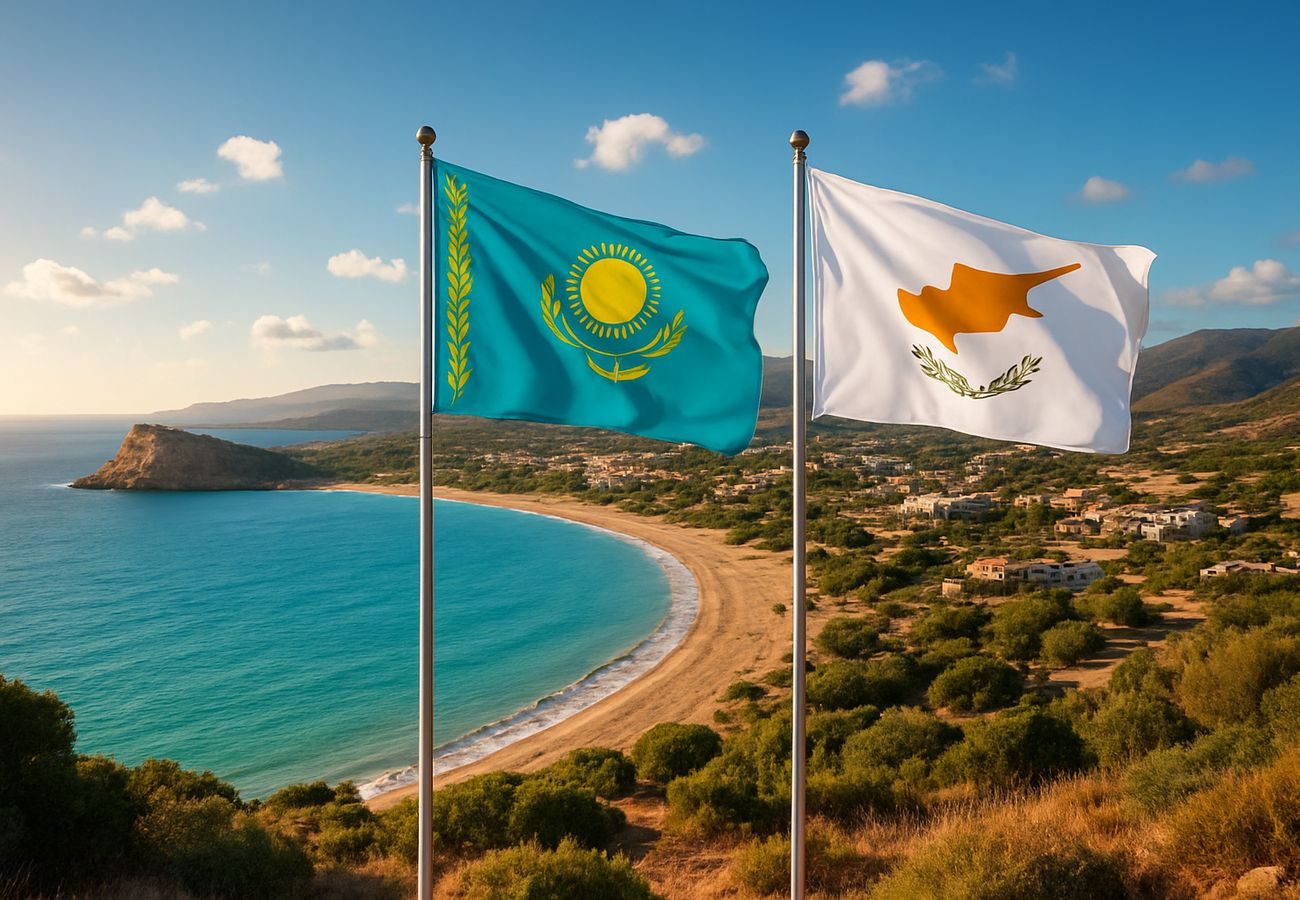
Image generated by AI
When Two Nations Reimagine Tourism Through Technology
Kazakhstan's head of state Kassym-Jomart Tokayev and Cyprus president Nikos Christodoulides sat down for intensive bilateral discussions in June 2026 that signal a fundamental shift in how Central Asian and Mediterranean economies approach travel, investment, and digital infrastructure. What emerged from these talks wasn't just diplomatic pleasantries—it was a concrete blueprint for reshaping regional tourism.
The core message was stark: current trade volumes between the nations don't reflect their actual economic potential. Both leaders were emphatic about one thing—it's time to stop talking and start building. Strategic cooperation in artificial intelligence, transportation, tourism, financial markets, and education became the focal points of what promises to be a transformative partnership.
Tourism as the Economic Catalyst
Tourism isn't a secondary consideration here—it's the engine driving the entire collaboration framework. Kazakhstan and Cyprus are positioning themselves as a unified destination offering unprecedented variety: Central Asian adventure paired with Mediterranean luxury.
The strategy centers on joint marketing campaigns, cultural exchange initiatives, and integrated travel packages. Kazakhstan's dramatic mountain landscapes, cosmopolitan cities like Astana and Almaty, and expanding urban attractions complement Cyprus' Mediterranean beaches, historical sites, and established luxury hospitality infrastructure. Together, they're creating travel itineraries that appeal to high-value tourists seeking both exploration and comfort.
Reddit: "If they pull off seamless cross-border tourism packages between Kazakhstan and Cyprus, this could genuinely disrupt the mid-to-luxury travel market." — r/travel
Investment in hospitality is expected to surge. Luxury resort development, boutique hotel chains, and experiential tourism ventures are already attracting international capital. Both nations understand that affluent travelers demand more than beaches or mountains—they want integrated, curated experiences supported by world-class infrastructure.
AI and Smart Tourism: The Digital Revolution
Artificial intelligence isn't a buzzword in this partnership—it's operational necessity. Both Kazakhstan and Cyprus are embedding AI into hospitality management systems, visitor engagement platforms, and mobility solutions to create what they're calling "smart, connected tourism ecosystems."
Here's what this means in practice: AI-powered hotel concierge services, predictive analytics for tourism demand, personalized travel recommendations, and intelligent logistics optimization. These aren't futuristic concepts—they're being implemented now across the partnership framework.
The digital infrastructure advantages are substantial. By integrating AI into tourism operations, both countries can reduce operational costs while improving customer experiences. Visitor engagement becomes data-driven, allowing hospitality providers to anticipate needs and customize services with precision.
Financial services and digital payments are equally prioritized. Blockchain-enabled cross-border transactions, cryptocurrency-friendly tourism infrastructure, and fintech solutions are all part of the modernization agenda.
Connectivity: The Transport and Logistics Breakthrough
You can have the world's best hotels, but without efficient connectivity, tourism stalls. Kazakhstan and Cyprus are aggressively enhancing air routes, maritime links, and road infrastructure to reduce travel friction.
Enhanced airport connections between Almaty, Astana, and major Cypriot hubs will enable same-day business travel between the regions. Improved maritime logistics opens possibilities for cruise partnerships and cargo-based tourism development. Road infrastructure upgrades facilitate overland travel packages and regional tourism circuits.
The logistics benefits extend beyond tourism. Business travelers, trade delegations, and investment professionals need seamless movement. When transport barriers fall, investment follows. Both nations are betting that improved connectivity will trigger a cascade of economic activity across hospitality, transportation, and supporting service sectors.
Business Delegations: Capital Is Moving
The presence of significant Cypriot business delegations exploring opportunities in Kazakhstan signals something critical—institutional capital is actively seeking these partnerships. Companies are investigating tourism ventures, AI solutions, transport logistics, and financial service opportunities.
This isn't speculative interest. These are established businesses from a stable EU economy evaluating concrete investment scenarios. Hospitality companies are scouting resort development sites. Tech firms are assessing AI implementation possibilities. Financial services providers are mapping payment infrastructure opportunities.
For Kazakhstan, this represents a major confidence vote. EU-based capital moving into Central Asian tourism infrastructure indicates that international investors view the region as genuinely attractive and investable.
Education and Workforce Development: Building the Future
Neither nation is thinking short-term. Education and knowledge exchange programs are foundational to the partnership's long-term viability. Both countries are developing training curricula for luxury hospitality services, AI management, and digital infrastructure operations.
By collaborating on workforce development, they're ensuring that hospitality staff, technology professionals, and logistics managers meet international standards. This human capital investment protects the partnership's competitive advantage—skilled workers mean better service quality, which drives visitor satisfaction and repeat business.
The Regional Tourism Model Taking Shape
What Kazakhstan and Cyprus are constructing is a template for modern cross-border tourism development. They're combining geographic diversity, technological infrastructure, investment capital, and human expertise into a unified competitive offering.
The partnership positions both nations as essential nodes in Eurasian travel networks. Visitors exploring Central Asia gain easy access to Mediterranean experiences. Mediterranean tourists discover authentic Central Asian culture and natural wonders. Business travelers move seamlessly across both ecosystems.
This integration creates network effects—the combined offering becomes more valuable than either destination alone. Hospitality providers benefit from increased visitor flows. Transport operators fill capacity. Technology companies implement AI solutions. Financial service providers facilitate transactions.
What This Means for the Global Hospitality Sector
These bilateral discussions reveal a fundamental industry shift. Governments aren't just supporting tourism anymore—they're actively engineering technological transformation within it. Smart hospitality, AI-driven customer service, and data-optimized operations are becoming standard expectations, not premium features.
International hospitality chains will need to evaluate this partnership carefully. Early movers who establish strong positions in Kazakhstan or Cyprus through this framework gain significant competitive advantages. The combination of government support, technology investment, and capital availability creates an unusually attractive environment for expansion.
For travelers, this means improved experiences at lower friction costs. Seamless border crossing, intelligent travel planning, personalized service delivery, and efficient logistics create the frictionless travel experiences that luxury consumers increasingly demand.
The Strategic Vision
Kazakhstan and Cyprus aren't competing for the same tourism market—they're expanding the market itself by offering integrated experiences that neither could deliver independently. This represents sophisticated economic thinking: rather than fighting for limited tourism dollars, they're creating new demand by serving previously underserved traveler preferences.
The emphasis on AI, transport, and education alongside tourism reveals the partnership's sophistication. These nations understand that sustainable tourism growth requires technological foundation, physical infrastructure, and human capital—not just destination marketing.
The timeline is clear: 2026 is the framework-building year. Implementation accelerates through 2027-2028. Major hospitality, transport, and technology projects should become visible by 2029. For investors, early positioning before this partnership gains full momentum represents genuine opportunity.
The real story isn't about two countries cooperating—it's about how strategic technology integration and infrastructure investment are reshaping where travel happens next.
Related Travel Guides
Princess 2027 Cruises: Majestic Princess Reveals South America Season
Boeing's 737 MAX Crisis: How a Hidden Software Flaw Reshaped Aviation Safety Standards
Disclaimer
This article is for informational and educational purposes only. It does not constitute legal, financial, or professional advice. While we strive to provide accurate and up-to-date information, travel policies, regulations, and conditions change rapidly. Always verify information with official sources before making travel decisions. Nomad Lawyer makes no representations about the accuracy, reliability, completeness, or suitability of the information provided. Readers should consult qualified professionals for advice specific to their circumstances. The views expressed in this article are those of the author and do not necessarily reflect the views of Nomad Lawyer.
Preeti Gunjan
Contributor & Community Manager
A passionate traveller and community builder. Preeti helps grow the Nomad Lawyer community, fostering engagement and bringing the reader experience to life.
Learn more about our team →