
Kashmir Tourism Struggles One Year After Pahalgam Terror Attack
Kashmir's tourism sector remains trapped below 50% occupancy one year after the Pahalgam terror attack in 2026. Despite rising booking inquiries, industry experts warn recovery demands urgent government intervention and enhanced safety measures.

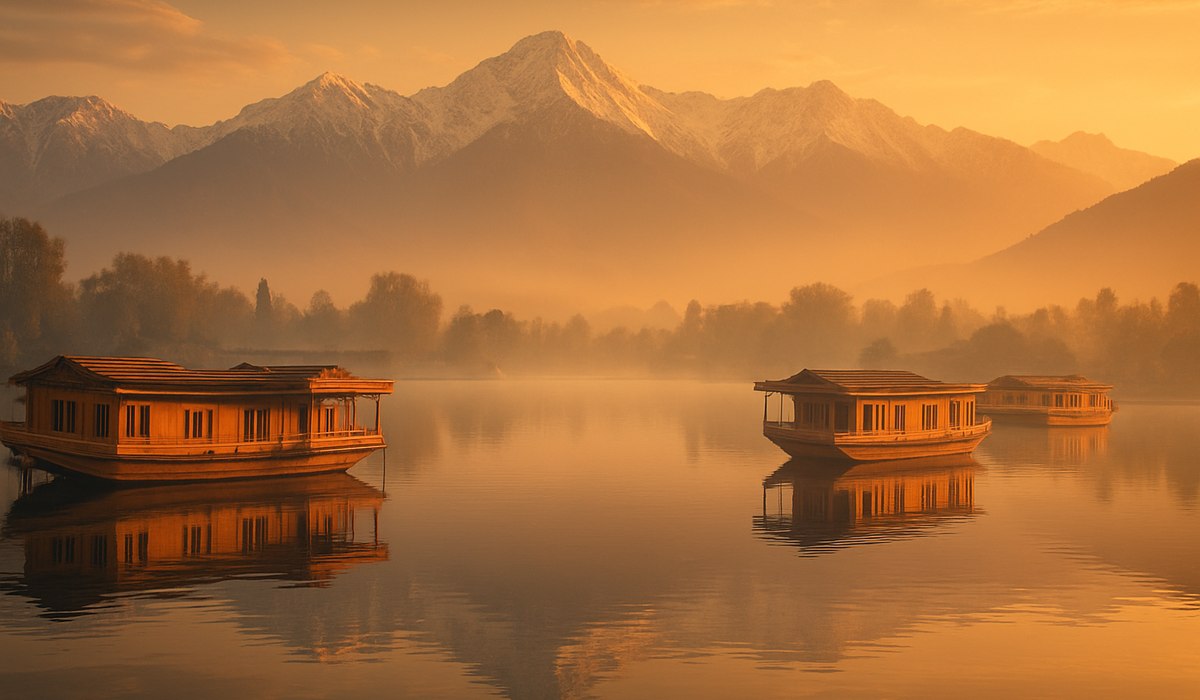
Image generated by AI
Kashmir's Tourism Recovery Stalled: One Year After Pahalgam Attack
Kashmir's tourism sector remains mired in crisis one year after the devastating terror attack in Pahalgam, with hotel occupancy rates stubbornly hovering below 50 percent. The picturesque Himalayan valley, once a premier destination attracting thousands of leisure and business travelers annually, now faces a confidence collapse that threatens livelihoods across the hospitality, transport, and retail industries. While booking inquiry volumes are climbing—suggesting latent demand persists—industry stakeholders warn that Kashmir tourism struggles will intensify without immediate government intervention, enhanced security protocols, and targeted marketing campaigns to rebuild traveler confidence and restore the region's global reputation.
Occupancy Crisis: Kashmir's Post-Attack Tourism Collapse
The numbers tell a sobering story. Hotel occupancy across Kashmir's major destinations, particularly Pahalgam—known for its alpine meadows and adventure tourism—has plummeted to levels not seen in over a decade. Properties that once operated at 70-80 percent occupancy during peak seasons now scramble to fill rooms at 40-45 percent capacity. Revenue per available room (RevPAR) has declined by nearly 35 percent, forcing proprietors to cut staff, defer maintenance, and reduce rates to unsustainable levels.
The attack's psychological impact extends beyond statistics. Travelers cite safety concerns as their primary hesitation, despite government assurances and increased police presence. Tour operators report that families are postponing honeymoon trips and corporate groups are relocating conferences to competing destinations in Himachal Pradesh and Uttarakhand. The tourism sector, which contributed approximately 8-10 percent of Kashmir's GDP before the incident, now faces a potential contraction that could deepen regional economic hardship. Recovery timelines remain uncertain, with industry experts projecting a return to pre-attack occupancy levels by 2027 at the earliest, contingent on sustained safety improvements and proactive destination marketing.
For detailed guidance on travel safety, consult the Ministry of External Affairs travel advisories and regional government tourism websites.
Booking Inquiries Rise as Confidence Slowly Returns
Emerging data offers a glimmer of hope for Kashmir's battered tourism ecosystem. Online booking platforms report a 22-25 percent increase in search queries for Kashmir hotels and tour packages over the past three months, signaling that interest among potential visitors hasn't evaporated entirely. Travel agents note that domestic tourists—particularly from Delhi, Mumbai, and Bangalore—are asking more questions about safety infrastructure and security arrangements before committing to reservations.
This uptick in inquiries suggests a bifurcated market: price-sensitive travelers seeking deep discounts are showing willingness to visit, while affluent segments remain hesitant without credible assurances. Hotels responding to this trend are bundling safety certifications, publishing security protocols transparently, and partnering with recognized travel insurance providers to mitigate perceived risks. Guesthouses in Pahalgam and Srinagar's houseboat sector report moderate booking momentum for summer months, though advance reservation windows have compressed from six months to four months pre-travel. International arrivals—traditionally a critical revenue stream—remain depressed, with visa applications and flight bookings from Europe and North America down 40-50 percent year-over-year.
Government Support and Safety: Keys to Rebuilding the Valley
Kashmir's state administration has announced a tourism recovery package emphasizing security infrastructure enhancement and promotional campaigns. New measures include increased CCTV surveillance at key tourist sites, expanded police tourism units, and mandatory security briefings for hospitality staff. The government's "Safe Kashmir" initiative aims to restore confidence through transparency and tangible interventions.
However, industry analysts argue that announcements must translate into visible, consistent implementation. Hotel associations are requesting tax relief, subsidized credit facilities, and joint government-industry marketing ventures to accelerate recovery. The Confederation of Indian Tourism and Hospitality Association has called for a dedicated Kashmir Recovery Fund, mirroring successful tourism rehabilitation efforts post-crisis in other regions. Government officials acknowledge the urgency, with tourism department representatives committing to quarterly progress reviews and stakeholder consultations. Transport infrastructure improvements—including faster flight connections and enhanced road safety measures—are being expedited to complement security enhancements. Success hinges on sustained political commitment and cross-agency coordination between security, commerce, and hospitality sectors to transform Kashmir tourism struggles into a coordinated recovery narrative.
Learn more about Kashmir's tourism policies from J&K Tourism official website.
Industry Leaders Call for Strategic Recovery Plan
Senior hospitality executives and tour operators are unified in demanding a comprehensive, multi-year recovery strategy beyond temporary relief measures. The Kashmir Chamber of Commerce and Industry has proposed a five-point recovery plan: immediate rate relief and credit access; aggressive domestic marketing campaigns; international roadshows in key source markets; capacity-building programs for hospitality workforce; and a tourism safety audit conducted by independent international firms to certify security standards.
Hotel owners emphasize that Pahalgam, as a gateway to adventure tourism and trekking destinations, requires specialized positioning. Marketing efforts should highlight natural attractions—meadows, pine forests, river trekking—while addressing security narratives directly. Boutique hotel operators argue for experiential tourism packages bundled with wellness, cultural immersion, and sustainable travel themes to attract conscious consumers less price-sensitive than budget-segment travelers. Tour guide associations stress the need for employment support and skills upgrading to rebuild capacity for international clientele. Trade bodies have escalated appeals to national tourism authorities, requesting Kashmir's inclusion in premium domestic tourism campaigns and international destination promotions managed by India's tourism board. A cohesive industry voice, supported by government momentum, could transform recovery timelines and restore Kashmir's position as a world-class Himalayan destination.
Key Data: Kashmir Tourism Recovery Metrics at a Glance
| Metric | Pre-Attack (2025) | Current (2026) | Change | Status |
|---|---|---|---|---|
| Average Hotel Occupancy | 72% | 46% | -26% | Critical |
| Booking Inquiry Volume | Baseline | +23% | +23% | Positive Signal |
| RevPAR (Revenue per Room) | ₹4,200 | ₹2,730 | -35% | Severe Impact |
| International Arrivals | 180,000 annually | 92,000 | -49% | Collapsed |
| Domestic Tourist Arrivals | 420,000 annually | 265,000 | -37% | Recovering Slowly |
| Job Losses (Hospitality Sector) | Baseline | 8,400+ positions | +8,400 | Emergency |
| Government Relief Package Announced | N/A | ₹250 crore | New | Under Implementation |
What This Means for Travelers Planning Kashmir Visits
Kashmir tourism struggles directly impact travelers through higher prices, reduced service availability, and legitimately heightened safety considerations. Before booking:
-
Verify Current Safety Status: Check official government travel advisories and coordinate with your embassy. Security situations evolve; rely on current intelligence, not year-old reports. Contact India's Ministry of External Affairs or your country's foreign office for real-time updates.
-
Choose Certified Accommodations: Prioritize hotels participating in government safety certification programs or displaying transparent security protocols. Verified properties invest in visible security measures and staff training, reducing risk exposure.
-
Book Early and Flexible: While occupancy rates are low, booking three to four months in advance still ensures better room selection. Purchase travel insurance with cancellation coverage for health, security, or airline-related disruptions.
-
Consider Seasonal Timing: Summer months (May-August) offer better weather and proven higher occupancy, suggesting more operational hotel services. Winter travel
Disclaimer
This article is for informational and educational purposes only. It does not constitute legal, financial, or professional advice. While we strive to provide accurate and up-to-date information, travel policies, regulations, and conditions change rapidly. Always verify information with official sources before making travel decisions. Nomad Lawyer makes no representations about the accuracy, reliability, completeness, or suitability of the information provided. Readers should consult qualified professionals for advice specific to their circumstances. The views expressed in this article are those of the author and do not necessarily reflect the views of Nomad Lawyer.
Kunal K Choudhary
Co-Founder & Contributor
A passionate traveller and tech enthusiast. Kunal contributes to the vision and growth of Nomad Lawyer, bringing fresh perspectives and driving the community forward.
Learn more about our team →