
Karnataka Wildlife Tourism 2026: The Serai Resorts Expands Responsible Nature Travel in Bandipur and Kabini
Analysis of the shift toward 'slow' wildlife tourism in Karnataka, focusing on biodiversity metrics in Bandipur, Kabini, and Chikamagalur during World Wildlife Week 2026.

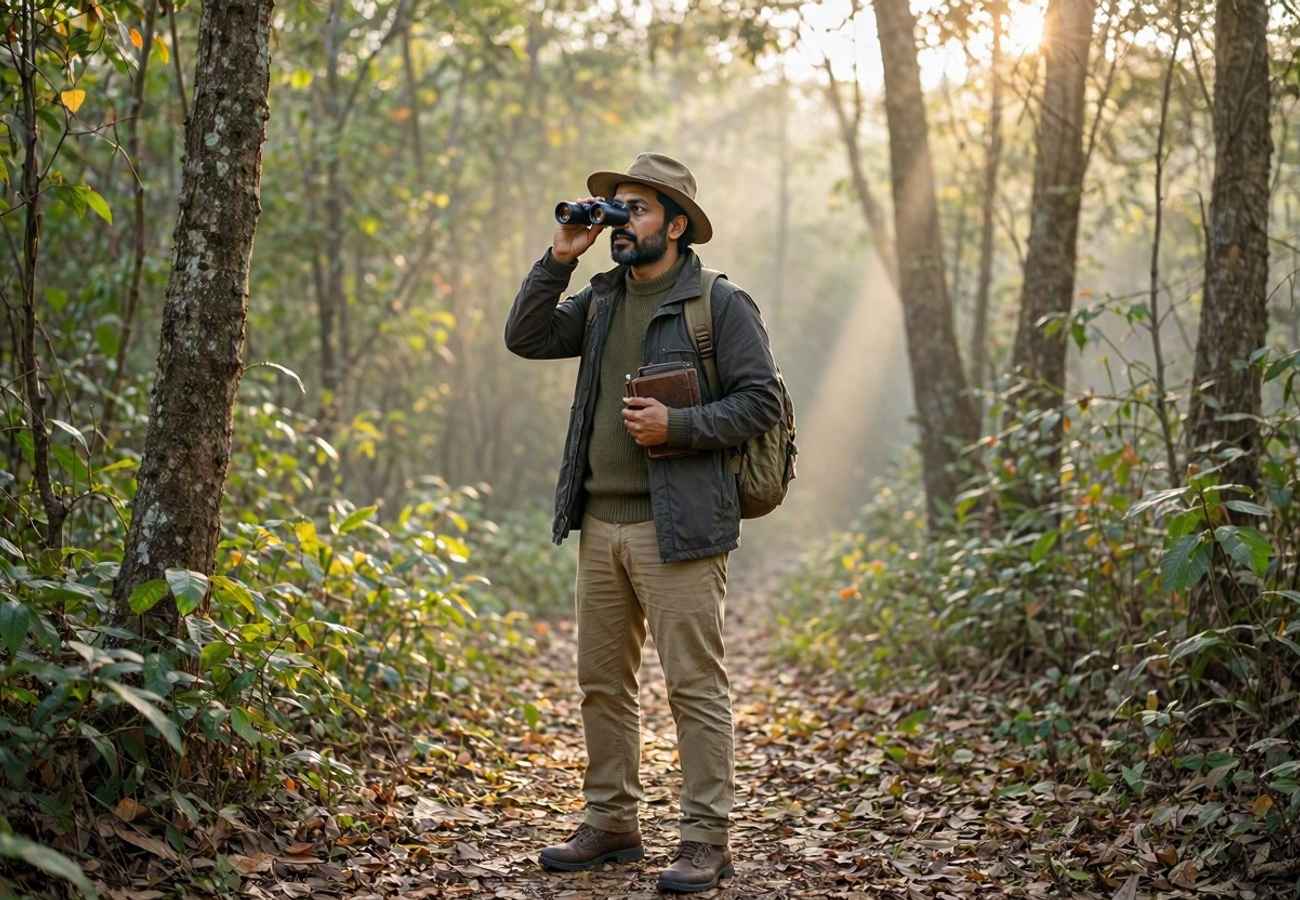
Image generated by AI
Bird species counts in the Western Ghats region have reached over 400 recorded varieties, signaling a shift in high-end tourism from "big game" hunting to biodiversity-centric observation. This movement, highlighted during World Wildlife Week 2026, indicates a transition where luxury hospitality providers are now pivoting their value proposition toward ecological literacy rather than guaranteed predator sightings.
The Biodiversity Metrics of Karnataka Nature Tourism
The current market movement in Karnataka's luxury nature sector is defined by a transition toward "slow travel." Data from The Serai Resorts indicates that the attraction of destinations like Chikamagalur, Bandipur, and Kabini is no longer solely dependent on the "Big Five" of Indian wildlife, but on the density of avian and smaller mammalian populations.
In Chikamagalur, the intersection of coffee plantations and the biologically dense Western Ghats has created a corridor for over 400 bird species. This high concentration of biodiversity allows resorts to market "guided nature walks" as a primary product, reducing the pressure on national park vehicle quotas. Meanwhile, in Bandipur, the data shows a significant overlap between resort grounds and protected areas, with 120 bird species recorded within the property boundaries alone, compared to 350 across the wider landscape.
This shift aligns with global trends reported by the World Tourism Organization (UNWTO), which show an increasing traveler preference for sustainable, low-impact interactions with nature. By focusing on "quiet details"—such as the movement of spotted deer after dark or the nesting habits of golden orioles—operators are diversifying the traveler's experience and spreading the environmental load across the ecosystem.
Regional Biodiversity and Habitat Comparison
The nature of wildlife tourism in Karnataka varies significantly by geography. While Bandipur is characterized by dense forest canopy and terrestrial mammals, Kabini is defined by its aquatic interfaces, and Chikamagalur by its montane coffee-forest hybrid.
| Region | Primary Habitat | Key Biodiversity Metric | Primary Observation Method |
|---|---|---|---|
| Chikamagalur | Western Ghats/Plantations | 400+ Bird Species | Guided Nature Walks |
| Bandipur | Dry Deciduous Forest | 350+ Bird Species (Regional) | Forest Trails & Safaris |
| Kabini | Reservoir/Backwaters | High Migratory Bird Count | Boat Safaris |
The data suggests that Kabini’s reliance on water-based tourism creates a seasonal surge in visitor numbers due to migratory bird patterns, whereas Chikamagalur maintains a more consistent year-round appeal due to its unique avian residency.
What This Means for Travelers
For those planning a visit to Karnataka in late 2026 or 2027, the data suggests a change in how trips should be structured. The move toward "responsible observation" means that the traditional "checklist" approach to wildlife—where the goal is to see a tiger or leopard—is being replaced by naturalist-led ecological education.
Actionable Booking Advice:
- Prioritize Naturalist Access: When booking in Bandipur or Kabini, verify if the resort provides in-house naturalists. The value has shifted from the vehicle to the expert; a trained naturalist increases the probability of identifying the 120+ bird species found on-property without needing a park permit.
- Seasonal Timing: If your goal is avian diversity, Q4 (October through December) is the optimal window for Kabini due to the influx of migratory species into the backwaters.
- Booking Lead Times: Given the strict regulations on plastic and environmental footprints now enforced by the International Air Transport Association (IATA) and local forest departments, expect more stringent check-in requirements regarding prohibited items. Book 12-16 weeks in advance for World Wildlife Week periods to secure placements in low-impact lodges.
The Trajectory of Responsible Nature Travel
The current trajectory indicates that luxury resorts will increasingly act as "buffer zones" for national parks. By maintaining bird baths, feeders, and fire-fighting assistance for the Forest Department, properties like The Serai are integrating their business models into the conservation infrastructure.
We are seeing a move away from "manufactured encounters." The data shows a preference for spontaneous sightings—such as wild dogs or elephants crossing property boundaries during the monsoon—over staged experiences. This suggests that the future of the Karnataka market lies in "passive tourism," where the guest adapts to the animal's schedule rather than the reverse.
FAQ: Karnataka Wildlife Tourism 2026
Will wildlife safari prices increase in 2026? Yes, as demand shifts toward low-impact, naturalist-led experiences, expect a premium on "slow travel" packages. However, on-property biodiversity walks are often more cost-effective than daily national park permits.
Is it a good time to book Kabini for birdwatching? Yes. The backwater ecosystems are currently peaking in biodiversity. Booking for the monsoon-to-winter transition provides the highest probability of seeing both resident and migratory species.
Which resorts are leading the sustainability shift? The Serai Resorts are currently implementing high-standard protocols, including plastic elimination and active collaboration with the Forest Department during summer fire seasons.
The future of luxury travel in India is no longer about what you can capture on camera, but how little you leave behind.
Related Travel Guides
Disclaimer
This article is for informational and educational purposes only. It does not constitute legal, financial, or professional advice. While we strive to provide accurate and up-to-date information, travel policies, regulations, and conditions change rapidly. Always verify information with official sources before making travel decisions. Nomad Lawyer makes no representations about the accuracy, reliability, completeness, or suitability of the information provided. Readers should consult qualified professionals for advice specific to their circumstances. The views expressed in this article are those of the author and do not necessarily reflect the views of Nomad Lawyer.
Raushan Kumar
Founder & Lead Developer
Full-stack developer with 11+ years of experience and a passionate traveller. Raushan built Nomad Lawyer from the ground up with a vision to create the best travel and law experience on the web.
Learn more about our team →