
American Airlines Expands Ultra-Premium 787 Dreamliner Routes to Just 244 Seats Across Five Key Corridors in 2026
Breaking airline news and aviation industry updates for 2026.

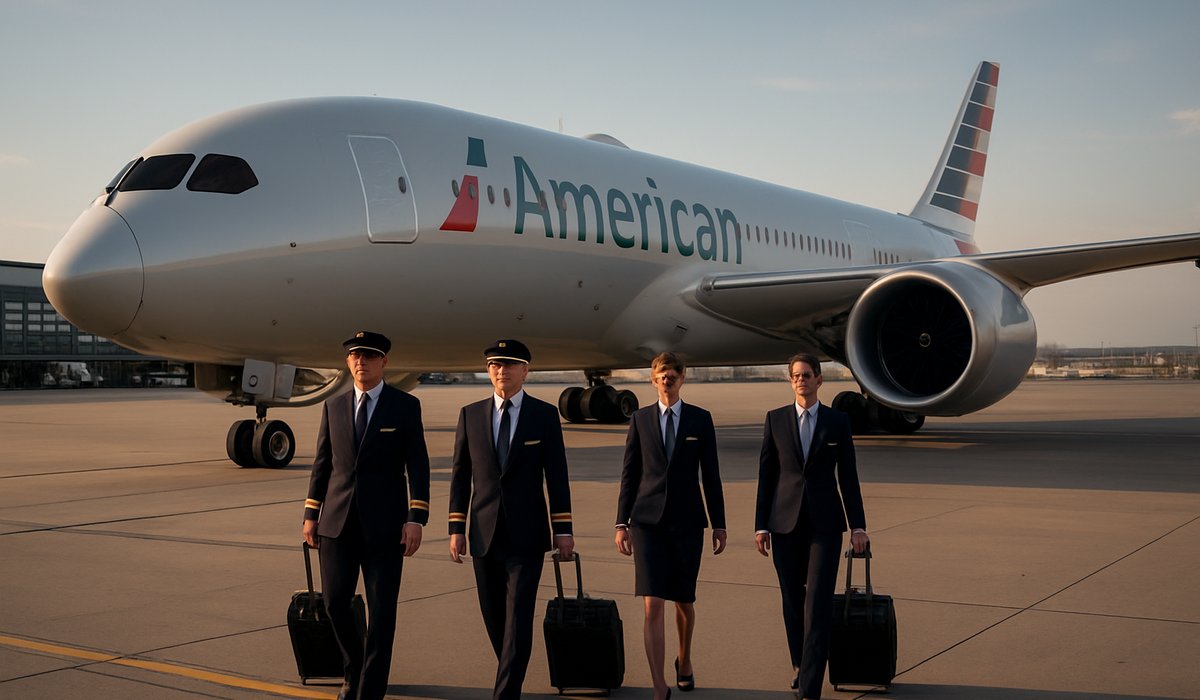
Image generated by AI
American Airlines Expands Ultra-Premium 787 Dreamliner Routes to Just 244 Seats Across Five Key Corridors in 2026
The carrier doubles down on high-yield business travel as Boeing's flagship widebody becomes the centerpiece of luxury long-haul strategy
American Airlines Commits to Exclusive Premium Configuration Strategy
American Airlines is making a calculated bet on the ultra-wealthy business traveler, dedicating five premium-configured Boeing 787 Dreamliner routes with a combined capacity of just 244 seats across its 2026 network. The move underscores a broader shift in the aviation industry toward maximizing revenue per available seat rather than volume, particularly on long-haul international routes where premium cabin demand remains robust despite economic headwinds.
The carrier, which operates 37 of the smaller 787-8 variants—more than any other global airline—is increasingly pivoting toward the larger and more flexible 787-9 model to capture higher-margin travelers willing to pay premium fares. This strategic redeployment reflects mounting pressure on airlines to offset fuel costs and inflationary pressures through tiered pricing structures and exclusive cabin experiences.
Fleet Composition and Operational Focus
American Airlines' dominance in 787-8 operations has given the carrier substantial operational expertise with Dreamliner technology, yet industry analysts note the push toward 787-9 aircraft signals management's confidence in sustained demand for ultra-premium international travel. The five designated routes represent a concentrated deployment strategy, prioritizing profitability over seat proliferation—a notable departure from traditional capacity-driven expansion models that dominated pre-pandemic aviation.
The 244-seat ceiling across these five corridors suggests heavily configured cabins, likely featuring reduced economy sections in favor of expanded business and premium economy offerings. Such configurations typically allocate 40-50% of available seats to premium cabins, where unit revenues can exceed economy fares by 300-500%.
Broader Industry Implications for Premium Travel
The decision arrives as airlines globally grapple with persistent jet fuel price volatility and labor cost inflation, compelling carriers to adopt selective deployment strategies rather than fleet-wide expansion. American's move aligns with industry trends favoring premium cabin optimization, mirroring similar strategies by competitors including United Airlines and Delta Air Lines, which have likewise invested heavily in business-class reconfiguration on long-haul widebodies.
This premium-focused approach may reshape competition on transatlantic and transpacific routes, where business travel—though volatile—remains essential to airline profitability. As travel demand continues fragmenting between budget-conscious leisure passengers and high-spending corporate travelers, American's 2026 strategy signals recognition that sustainable growth depends less on total seat count and more on capturing higher-yield passengers through differentiated product offerings.
Frequently Asked Questions
What are the current trends in airline baggage fees and premium seating? Airlines are increasingly decoupling ancillary revenue from base fares, bundling baggage allowances into premium cabin packages while charging economy passengers separately. This strategy directly supports premium cabin profitability.
How do jet fuel prices impact airline premium route decisions? Rising fuel costs force carriers to prioritize high-margin routes and cabin configurations. Premium passengers typically subsidize fuel surcharges across entire aircraft, making them economically essential for profitability.
Why are airlines choosing ultra-premium configurations over capacity expansion? Limited growth in leisure travel coupled with volatile business travel demand makes revenue-per-seat optimization more attractive than traditional capacity growth. One premium business-class passenger generates equivalent profit to 3-4 economy passengers.
Which routes are most likely to receive American Airlines' premium 787s? Transatlantic corridors (London, Frankfurt, Paris) and transpacific routes (Tokyo, Hong Kong) typically command the highest premium fares, making them optimal for exclusive Dreamliner deployment.
How does this strategy affect budget travelers? While premium configurations reduce overall seat counts, they typically maintain or increase economy availability through higher aircraft frequency, though base fares may rise to offset lower-margin economy seats.
Related Travel Guides
- Long Beach Travel Chaos: Delta Air Lines and Southwest Airlines Trigger Flight Cancellations and Severe Disruptions at Daugherty Field: Airline News
- Emirates Restores Full Operations: Resuming Flights to 130 Global Destinations
- Long-Haul Flight Attendants Face Persistent Pay Gaps as Airlines Struggle to Retain Cabin Crew in 2026
Disclaimer
This article is for informational and educational purposes only. It does not constitute legal, financial, or professional advice. While we strive to provide accurate and up-to-date information, travel policies, regulations, and conditions change rapidly. Always verify information with official sources before making travel decisions. Nomad Lawyer makes no representations about the accuracy, reliability, completeness, or suitability of the information provided. Readers should consult qualified professionals for advice specific to their circumstances. The views expressed in this article are those of the author and do not necessarily reflect the views of Nomad Lawyer.
Preeti Gunjan
Contributor & Community Manager
A passionate traveller and community builder. Preeti helps grow the Nomad Lawyer community, fostering engagement and bringing the reader experience to life.
Learn more about our team →