
JetBlue Blueprint Revive: Iconic Livery Returns on Airbus A220-300
JetBlue Airways resurrects its beloved Blueprint livery on fuel-efficient Airbus A220-300 aircraft in 2026, merging aviation nostalgia with next-generation fleet modernization and operational efficiency.

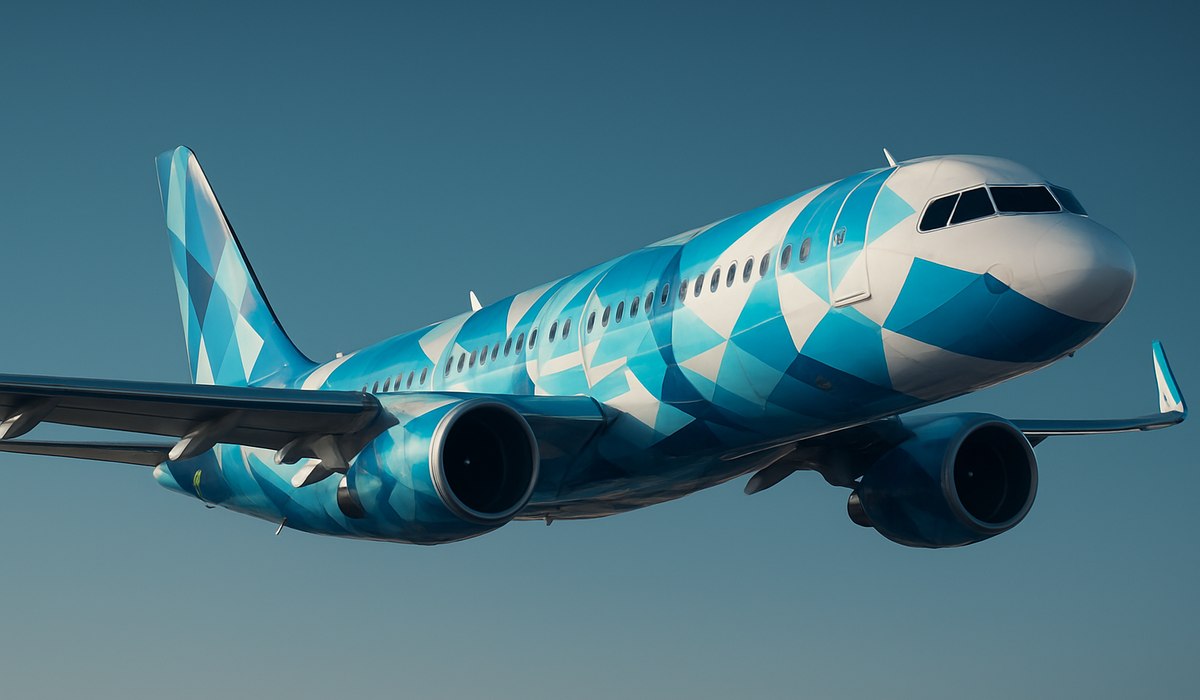
Image generated by AI
JetBlue Airways Resurrects Blueprint Livery on Modern Fleet
JetBlue Airways is officially reviving one of aviation's most beloved special liveries—the iconic Blueprint design—under the new designation "Blueprint II." The carrier will deploy this nostalgic paint scheme on its modern Airbus A220-300 aircraft, marking a significant shift from the original Embraer 190 platforms that first carried the design. This strategic move represents far more than cosmetic branding; it symbolizes JetBlue's commitment to blending passenger nostalgia with operational innovation and fuel efficiency across its expanding fleet.
Blueprint II: A Nostalgic Return with Modern Aircraft
The original Blueprint livery became legendary in aviation circles for its bold, minimalist aesthetic and artistic approach to airline branding. JetBlue's decision to resurrect this design under the Blueprint II banner demonstrates the carrier's deep understanding of brand loyalty and customer emotional connection. The rebrand ensures that passengers who remember the iconic original design will experience that same visual identity aboard next-generation aircraft.
The Airbus A220-300 provides the perfect canvas for this revival. The narrowbody jet offers superior fuel efficiency compared to legacy platforms, reducing operational costs while maintaining JetBlue's commitment to environmental responsibility. By pairing the Blueprint II livery with this advanced aircraft, JetBlue creates a compelling narrative: heritage meets innovation. Travelers will see a piece of airline history rendered on cutting-edge aerospace technology, making every flight a conversation starter at the gate.
From Embraer 190 to Airbus A220-300: The Fleet Evolution
The transition from Embraer 190 to Airbus A220-300 represents JetBlue's broader fleet modernization strategy. The E190 served the airline faithfully for years, particularly on regional routes and shorter city pairs. However, the A220-300 offers distinct advantages: improved fuel economy, lower emissions per passenger, enhanced cabin comfort, and extended range capabilities.
JetBlue's decision to apply Blueprint II exclusively to the A220-300 signals confidence in this aircraft's role within the carrier's future operations. The A220-300 can accommodate 130-160 passengers depending on configuration, making it ideal for both domestic leisure markets and emerging international routes. This aircraft selection ensures the Blueprint II livery reaches diverse passenger demographics across JetBlue's network, from Florida beach destinations to northeast business corridors and potential transoceanic leisure markets.
Design Meets Efficiency: Why This Matters for Travelers
For passengers, the Blueprint II revival carries tangible benefits beyond aesthetic enjoyment. The Airbus A220-300 delivers measurably better passenger comfort than comparable regional aircraft. Cabin pressure and humidity settings optimize well-being during flights, while larger windows and improved lighting reduce fatigue on longer journeys.
Operationally, the A220-300's efficiency translates to real-world advantages for travelers. Lower fuel consumption per seat increases schedule reliability, as carriers face reduced pressure to manage fuel surcharges and operational margins. Improved range means fewer technical stops and more direct routing options. Environmental consciousness also resonates with today's travelers; the Blueprint II aircraft burns 25% less fuel per seat than comparable regional jets, aligning with passenger expectations for sustainable air travel. Visit FlightAware to track specific Blueprint II aircraft and monitor their deployment across JetBlue's network.
JetBlue's Strategic Push for Brand Nostalgia
Brand nostalgia represents a powerful marketing tool in aviation. Airlines from Southwest to Lufthansa have successfully leveraged retro liveries to strengthen customer identity and loyalty. JetBlue's Blueprint II initiative follows this proven strategy while adding modern operational substance.
The revival creates organic social media engagement, as aviation enthusiasts and casual passengers alike share images of the iconic livery in flight. This earned media value far exceeds traditional advertising costs. Additionally, Blueprint II positions JetBlue as an airline that honors its heritage while confidently embracing the future—a powerful brand message during competitive periods when customer acquisition costs escalate. The livery becomes a visual symbol of JetBlue's market position: innovative, customer-focused, and operationally advanced.
Key Data: Blueprint II Deployment and Impact Metrics
| Metric | Detail |
|---|---|
| Aircraft Type | Airbus A220-300 |
| Seating Capacity | 130-160 passengers |
| Fuel Efficiency Improvement | 25% reduction vs. comparable aircraft |
| Original Livery Platform | Embraer 190 |
| New Livery Designation | Blueprint II |
| Deployment Timeline | 2026 launch |
| Estimated Network Impact | Multiple domestic and emerging international routes |
| Cabin Altitude Operating Level | 6,000 feet (A220 standard) |
| Extended Range Capability | Up to 3,200 nautical miles |
| Passenger Comfort Features | Enhanced humidity, cabin pressure, window size |
What This Means for Travelers
The Blueprint II revival directly affects how you experience JetBlue flights. Here's what matters for your travel planning:
-
Request Blueprint II flights specifically. JetBlue's booking system typically allows seat selection and aircraft type viewing. When purchasing tickets, note aircraft assignments and prioritize Blueprint II flights if schedule permits.
-
Monitor deployment across routes. Blueprint II aircraft will initially concentrate on popular leisure destinations and northeast corridors. Check FlightAware three weeks before your flight to confirm aircraft type.
-
Plan photography opportunities. The distinctive livery makes for memorable travel content. Budget extra time at departure gates for exterior photos before boarding.
-
Expect superior onboard experience. A220-300 cabins feature larger windows, improved lighting, and better climate control. Arrive early to fully appreciate the aircraft's design.
-
Consider environmental impact alignment. If sustainable travel matters to your trip philosophy, Blueprint II flights reduce your aviation carbon footprint by approximately 25% compared to regional alternatives.
-
Join JetBlue's frequent flyer program. Blueprint II flights may eventually earn bonus points or special recognition within the carrier's customer loyalty structure.
-
Check seat pitch and configuration. While the A220-300 offers superior comfort, verify seat spacing matches your preferences before booking premium cabin upgrades.
Frequently Asked Questions
What is JetBlue Blueprint II? Blueprint II is JetBlue Airways' revived iconic special livery, originally painted on Embraer 190 aircraft but now deployed on the modern Airbus A220-300. The design represents the airline's heritage while showcasing next-generation operational efficiency and passenger comfort features.
How does the A220-300 differ from the original Embraer 190? The A220-300 offers 25% better fuel efficiency, extended range (up to 3,200 nautical miles), improved cabin comfort, larger windows, and superior climate control. Seating capacity increases to 130-160 passengers versus the E190's regional focus.
When will Blueprint II aircraft enter service? Blueprint II deployment began in 2026 across JetBlue's network. Initial focus targets popular leisure routes in Florida, the Caribbean, and northeast corridors, with expansion potential to emerging international markets.
How can I book a flight on Blueprint II? Use JetBlue's booking website and specify aircraft type during search. Check FlightAware to identify which aircraft serve your desired route, then select flights accordingly during the booking process.
Does flying Blueprint II cost more? No. Blueprint II flights typically carry standard JetBlue pricing. You may request preferred seating on these aircraft without additional livery-related surcharges, though standard seat upgrade fees
Disclaimer
This article is for informational and educational purposes only. It does not constitute legal, financial, or professional advice. While we strive to provide accurate and up-to-date information, travel policies, regulations, and conditions change rapidly. Always verify information with official sources before making travel decisions. Nomad Lawyer makes no representations about the accuracy, reliability, completeness, or suitability of the information provided. Readers should consult qualified professionals for advice specific to their circumstances. The views expressed in this article are those of the author and do not necessarily reflect the views of Nomad Lawyer.
Raushan Kumar
Founder & Lead Developer
Full-stack developer with 11+ years of experience and a passionate traveller. Raushan built Nomad Lawyer from the ground up with a vision to create the best travel and law experience on the web.
Learn more about our team →