
Japan Takayama Autumn Festival 2026: Guide to Hachiman Matsuri Floats and Preservation Rights
A comprehensive guide to the 2026 Takayama Autumn Festival, detailing the impact of the Gyojintai float repairs and essential visitor rights for cultural heritage sites in Japan.

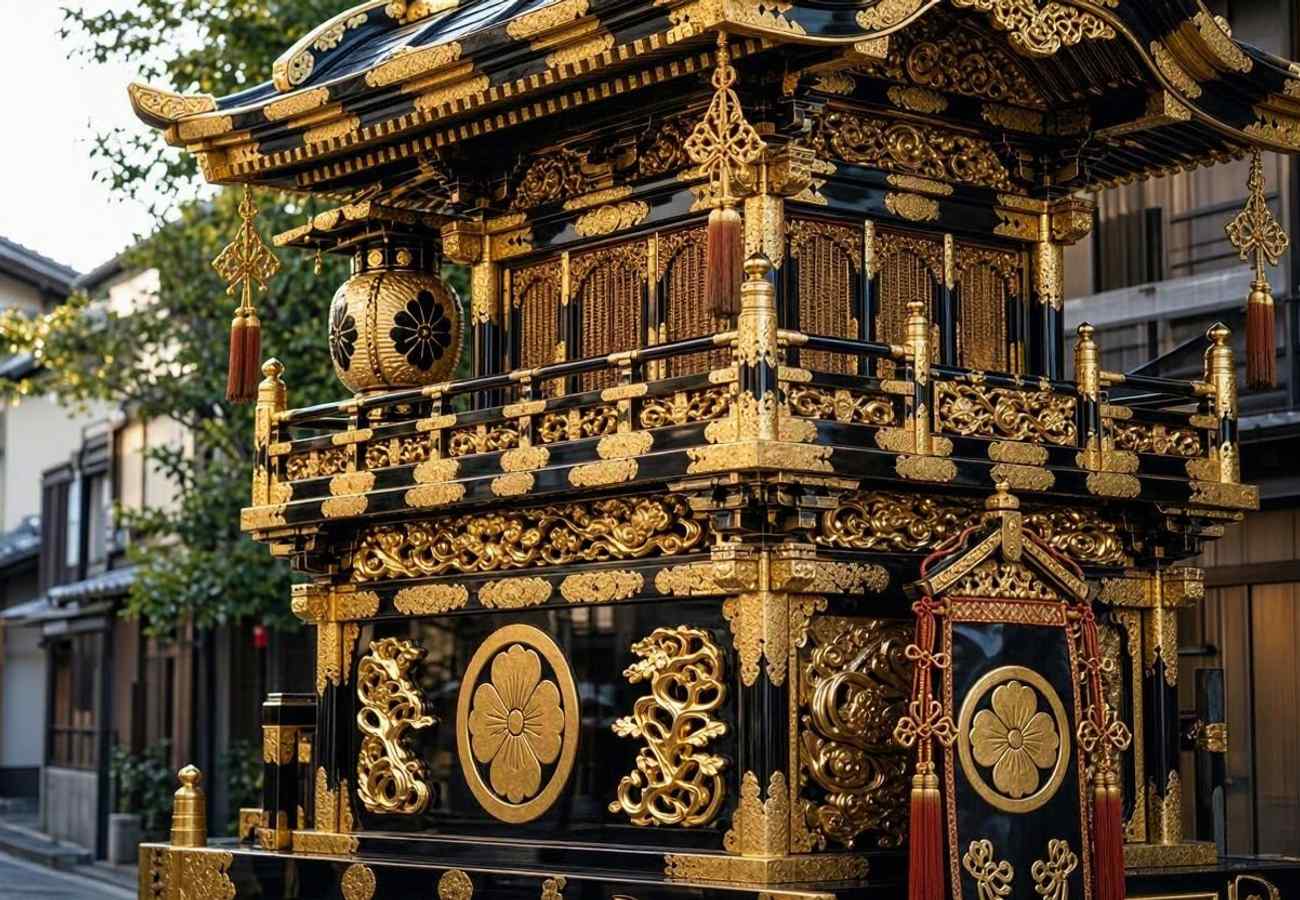
Image generated by AI
A traveler arriving in Takayama on October 10, 2026, may notice a conspicuous gap in the lineup of gilded floats along the Sakurayama Hachimangu shrine approach. While the spectacle remains breathtaking, the absence of the Gyojintai float serves as a reminder that the survival of UNESCO-recognized heritage depends on rigorous, often invisible, maintenance cycles.
The 2026 Hachiman Matsuri: Timeline and Logistics
The Autumn Takayama Festival, known formally as Hachiman Matsuri, concludes its 2026 cycle on Saturday, October 10. Unlike the Friday events, which featured the lantern-lit Yoimatsuri evening procession, Saturday focuses on stationary displays and ceremonial parades.
The primary activity centers on the Sakurayama Hachimangu shrine and the surrounding historic district. The daytime float exhibition runs from 9:00 am to 4:00 pm, featuring nine floats positioned along the shrine's approach. A tenth float, the Hoteitai, is situated within the shrine grounds to facilitate its complex puppet performances.
For those arriving late, the Goshinko procession—a massive ceremonial parade—crosses the festival area twice: once in the morning and once in the afternoon. Travelers are advised to monitor the Japan National Tourism Organization (JNTO) for real-time crowd alerts and schedule adjustments, as timing can shift based on local conditions.
Float Availability and Preservation Data
A significant change for the 2026 season is the reduction from the traditional 11 floats to 10. The Gyojintai float is currently undergoing essential repairs, a process that highlights the intersection of public funding and cultural conservation.
2026 Festival Float Status and Maintenance
| Float Name | 2026 Status | Primary Feature/Note | Maintenance Context |
|---|---|---|---|
| Gyojintai | Absent | Historic carvings | Under repair; part of ¥30M budget |
| Hoteitai | Active | 36-string puppet show | Scheduled repairs in 2026 forecast |
| Seiryutai | Active | Ornate gilding | Scheduled repairs in 2026 forecast |
| Kimpotai | Active | Traditional lacquer | Scheduled repairs in 2026 forecast |
| Other 6 Floats | Active | Various motifs | Routine maintenance by local groups |
The financial commitment to these artifacts is substantial. Takayama’s fiscal 2026 public-works forecast allocates approximately ¥30 million for the preservation of these floats. This is not a general operating budget but a targeted fund for structural and exterior restoration. The city's education board has also reported a surge in conservation activity, completing six float or storehouse repairs in fiscal 2024, doubling their original target of three.
Your Rights as a Cultural Tourist in Japan
While Japan does not have a "passenger rights" framework like EU261 for festivals, visitors to designated cultural properties and UNESCO Intangible Cultural Heritage sites have specific expectations regarding access and transparency.
Access to Heritage Sites: If a specific exhibit or float is advertised as part of a paid ticketed experience (such as the Floats Exhibition Hall) but is unavailable, visitors are generally entitled to the information provided by the Agency for Cultural Affairs.
The Floats Exhibition Hall: For those missing the street displays, the Takayama Festival Floats Exhibition Hall (adjacent to Sakurayama Hachimangu) provides a controlled environment to view the art of conservation.
- Admission Fee: ¥1,000
- Hours: 9:00 am to 5:00 pm (March through November)
- Display: Four autumn floats are shown, with rotations occurring three times per year.
Legal Status of the Event: It is important to distinguish that the Takayama Festival is a UNESCO "Intangible Cultural Heritage" listing (since 2016). This is a legal designation of the skill and tradition, not a "World Heritage Site" designation of the physical land. Consequently, the city prioritizes the training of specialists over unrestricted tourist access to the workshops.
Visitor Strategy and Alternatives
To maximize the experience of the 2026 finale, travelers should avoid treating the festival as a static museum and instead view it as a living operation.
The Hoteitai Puppet Strategy: The Hoteitai puppet performance is the festival's technical peak, utilizing eight operators to control 36 strings. Performances are scheduled for 11:00 am and 1:00 pm. Because these are high-demand windows, arrive at the shrine grounds at least 45 minutes early.
Avoiding Common Mistakes:
- Do not seek lanterns on Saturday: The 100-lantern-per-float display is exclusive to the Friday Yoimatsuri.
- Distinguish the seasons: Ensure you are not confusing this with the Spring Festival, which is linked to Hie Shrine and utilizes a different set of floats.
- Track real-time movement: Use Flightradar24 or local transit apps to monitor arrivals into Gifu or Nagoya to time your arrival for the Goshinko procession.
FAQ: Takayama Festival 2026
Why is the Gyojintai float missing this year? The float is undergoing essential structural repairs funded by the city's ¥30 million preservation budget. This is a standard part of the conservation cycle to ensure the artifact survives for future generations.
Can I see the floats if I miss the festival dates? Yes. The Floats Exhibition Hall next to Sakurayama Hachimangu displays four rotated floats from March to November for an admission fee of ¥1,000.
Is the puppet show open to everyone? Yes, the Hoteitai performances at 11:00 am and 1:00 pm are public, though space within the shrine grounds is limited and fills quickly.
Is this a UNESCO World Heritage Site? No. It is listed as UNESCO Intangible Cultural Heritage, meaning the tradition and craftsmanship are protected, rather than the physical geography of the town.
True heritage is found not in the gold leaf, but in the hands of those who repair it.
Related Travel Guides
Disclaimer
This article is for informational and educational purposes only. It does not constitute legal, financial, or professional advice. While we strive to provide accurate and up-to-date information, travel policies, regulations, and conditions change rapidly. Always verify information with official sources before making travel decisions. Nomad Lawyer makes no representations about the accuracy, reliability, completeness, or suitability of the information provided. Readers should consult qualified professionals for advice specific to their circumstances. The views expressed in this article are those of the author and do not necessarily reflect the views of Nomad Lawyer.
Kunal K Choudhary
Co-Founder & Contributor
A passionate traveller and tech enthusiast. Kunal contributes to the vision and growth of Nomad Lawyer, bringing fresh perspectives and driving the community forward.
Learn more about our team →