
Japan Luxury Hotels Push Into Thailand as Asia Travel Surges in 2026
Japanese luxury hotel groups are accelerating expansion across Thailand in 2026, capitalizing on record travel between the two nations and reshaping Asia's premium hospitality market with consistent service standards.

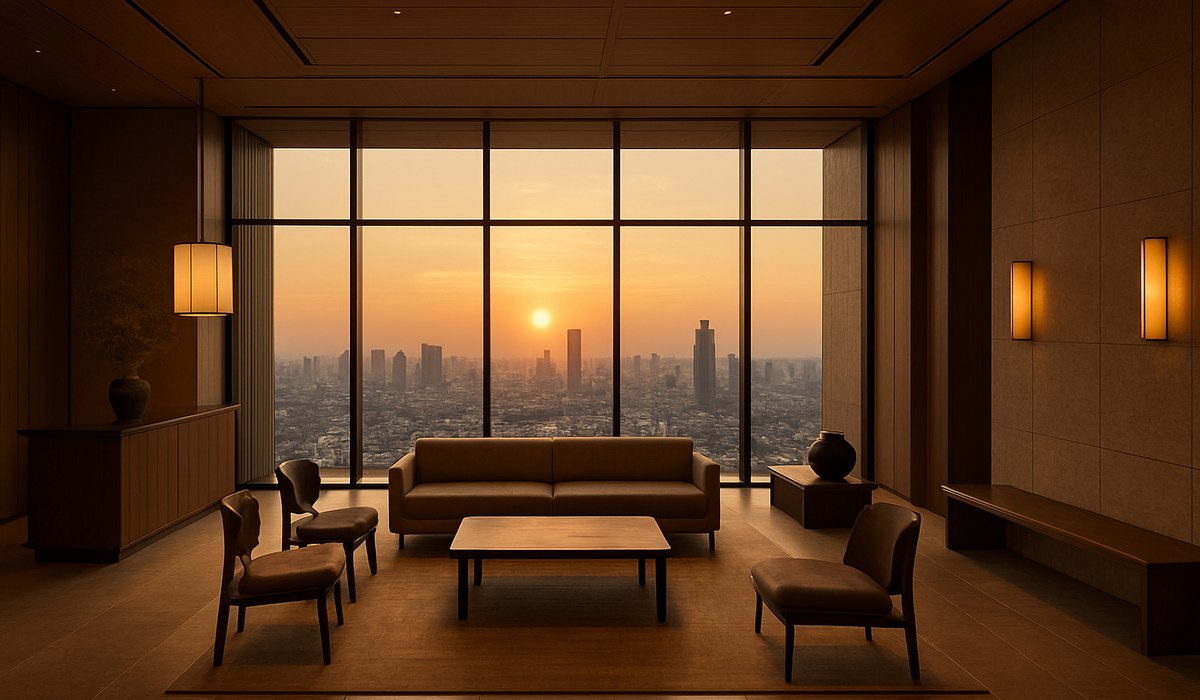
Image generated by AI
Japanese Luxury Hotel Groups Racing Into Thailand's Booming Market
Hotel Okura and major Japanese hospitality operators are accelerating investment across Thailand as bilateral travel between Japan and Thailand reaches unprecedented levels in 2026. The expansion signals a fundamental shift in Asia's premium lodging landscape, with Japanese hotel groups opening flagship properties in Bangkok, Chiang Mai, and secondary Thai cities. This wave of development reflects growing demand from international travelers who want consistent luxury experiences while combining Japan and Thailand in multi-country Asian itineraries. The Japan-Thailand corridor has emerged as a critical growth engine for both nations' tourism sectors, with Japanese operators recognizing Thailand as the ideal staging ground for expanding their regional influence beyond their home market.
The Japan-Thailand Travel Corridor Reshapes Asia's Tourism Map
Travel between Japan and Thailand has reached historic highs in 2026, transforming how international visitors experience Southeast and East Asia. Japan welcomed approximately 37 million international arrivals in 2024, while Thailand attracted over 30 million tourists during the same period. Multiple daily nonstop flights now connect Bangkok with Tokyo, Osaka, and Kyoto, alongside expanding regional routes from Chiang Mai and Phuket to Japanese gateways.
This connectivity has effectively positioned Bangkok and Tokyo as twin entry points for multi-country Asian journeys. European, North American, and Middle Eastern travelers increasingly split their time between Japan's urban centers and Thailand's beach destinations, wellness retreats, and cultural hubs. Tourism data confirms that Thailand consistently ranks among Japan's top source markets, with over one million Thai visitors annually, while Japan remains a major long-haul destination for Thai travelers. This reciprocal demand pattern has convinced Japanese hospitality groups that Thailand represents exceptional expansion potential. For more on regional travel patterns, see IATA's latest Asia-Pacific tourism reports.
Japanese Hotel Operators Scale Up Investment in Thailand
Hotel Okura, a cornerstone of Japan's luxury hospitality sector, has already established The Okura Prestige Bangkok and now plans two additional ryokan-style properties in Bangkok and Chiang Mai targeting 2028 openings. These developments will blend traditional Japanese omotenashi hospitality philosophy with Thai architectural and cultural elements, creating hybrid luxury experiences unavailable elsewhere in Asia.
Daiwa House Group has announced its inaugural Thai hotel venture—a 306-room upscale property in central Bangkok operating under Hilton's Curio Collection. Scheduled for mid-2026 completion, this project leverages Japanese expertise in mixed-use urban design while maintaining global brand standards.
Beyond these flagship announcements, Tokyo-based hospitality consultants report ongoing negotiations between Japanese developers and Thai property owners for additional luxury projects in Phuket, Krabi, and Hua Hin. These investments build on decades of Japanese architectural influence across Bangkok's hotel sector, creating a cohesive ecosystem where international guests recognize familiar service standards regardless of location. The expansion addresses a critical competitive gap, as Southeast Asian tourism intensifies with neighboring countries upgrading their premium offerings. Japanese operators are positioning Thailand as an essential anchor for their regional strategy, allowing them to serve high-spending travelers on extended Asian tours without requiring separate brand operations.
How Consistent Japanese Service Standards Are Winning International Travelers
International luxury travelers consistently cite Japanese hospitality standards as a primary selection factor when booking hotels across Asia. Japanese hotels emphasize anticipatory service, meticulous attention to detail, and cultural sensitivity—qualities that resonate powerfully with affluent global visitors. The expansion of Japan luxury hotels into Thailand allows travelers to expect identical service philosophies in both destinations, eliminating quality inconsistencies that typically plague multi-country itineraries.
Japanese hospitality training emphasizes staff empowerment, guest personalization, and seamless operational execution. These principles translate directly to international clientele, who appreciate the quiet efficiency and genuine hospitality embedded in Japanese service culture. As Japanese brands establish stronger presences in Thailand, they're not simply importing hotel architecture; they're transferring decades of refined operational expertise developed across Tokyo, Kyoto, and Osaka markets.
Guest reviews consistently highlight the reliability factor. Travelers who've experienced Hotel Okura's Tokyo flagship expect—and now receive—comparable standards when booking The Okura Prestige Bangkok. This consistency provides psychological reassurance that justifies premium pricing in competitive markets. For booking options across Japanese luxury properties in Thailand, visit Booking.com's curated Japan brand collection.
Expansion Beyond Bangkok: Secondary Thai Cities Attract Premium Projects
While Bangkok dominates Thailand's luxury hotel market, Japanese operators increasingly recognize secondary cities as high-potential growth markets. Chiang Mai is attracting particular attention, with its blend of cultural heritage, northern Thai cuisine prominence, and emerging wellness tourism appeal attracting affluent travelers seeking alternatives to crowded Bangkok. Japanese developers view Chiang Mai as comparable to Kyoto—a cultural and culinary destination where sophisticated travelers spend 3-5 days experiencing authentic local experiences.
Phuket and Krabi represent different opportunities, capturing beach-oriented luxury travelers and wellness seekers. Japanese groups are developing spa-focused properties that combine omotenashi service standards with Southeast Asian natural amenities—coastal settings, tropical environments, and traditional Thai wellness practices.
Secondary markets beyond major tourist zones also interest Japanese investors who recognize untapped demand. Properties in Hua Hin, Koh Samui, and emerging destinations near national parks appeal to experiential travelers who want luxury infrastructure in less-commercialized settings. These regional expansions distribute Japanese hospitality influence across Thailand's entire tourism ecosystem, ensuring that travelers encounter consistent Japanese service standards whether they're in Bangkok's central business district or Chiang Mai's historic old city. Tourism boards across secondary Thai cities actively court Japanese developers, recognizing that Japanese brand presences elevate entire destinations' market positioning and attract higher-spending international clientele.
What Guests Get
Japanese luxury hotels in Thailand deliver distinctive hospitality experiences that blend Japanese operational excellence with Southeast Asian cultural authenticity. Here's what international travelers can expect:
Service Excellence: Staff trained in omotenashi principles provide anticipatory, personalized service that exceeds standard luxury hotel expectations. Room attendants remember guest preferences, concierges speak multiple languages, and management actively engages with guests to ensure satisfaction.
Design Sophistication: Properties feature minimalist Japanese aesthetics combined with Thai architectural elements, creating visually distinctive spaces that feel both familiar and exotic.
Culinary Experiences: Japanese chefs and Thai culinary masters collaborate on menus that honor both cuisines, offering guests authentic Japanese kaiseki alongside innovative Thai-Japanese fusion dining.
Wellness Amenities: Japanese spa traditions merge with Thai massage techniques, creating comprehensive wellness programs unavailable in purely Western-operated hotels. Guests access traditional onsen-style bathing experiences alongside Thai herbal treatments.
Technology Integration: Japanese hotels lead Asia in seamless digital experiences—mobile check-in, in-room entertainment systems, and contactless service options—without sacrificing personal attention.
Cultural Programming: Guest experiences include tea ceremonies, traditional calligraphy classes, Japanese language lessons, and curated excursions to local Thai cultural sites.
Efficient Operations: Japanese management expertise eliminates common hotel frustrations—maintenance requests are resolved immediately, housekeeping maintains impeccable standards, and billing processes operate without errors or surprises.
Key Data: Japan Luxury Hotels Expansion in Thailand 2026
| Metric | Details |
|---|---|
| Japan's 2024 Visitor Arrivals | 37 million international visitors (record high) |
| Thailand's 2024-2025 Tourism | 30+ million annual international arrivals |
| Daily Flight Connections | Multiple nonstops: Bangkok-Tokyo, Bangkok-Osaka, Bangkok-Kyoto |
| Hotel Okura Bangkok Projects | 2 new ryokan properties planned (Bangkok & Chiang Mai, 2028 target) |
| Daiwa House Bangkok Project | 306-room Curio Collection hotel (2026 opening) |
Disclaimer
This article is for informational and educational purposes only. It does not constitute legal, financial, or professional advice. While we strive to provide accurate and up-to-date information, travel policies, regulations, and conditions change rapidly. Always verify information with official sources before making travel decisions. Nomad Lawyer makes no representations about the accuracy, reliability, completeness, or suitability of the information provided. Readers should consult qualified professionals for advice specific to their circumstances. The views expressed in this article are those of the author and do not necessarily reflect the views of Nomad Lawyer.
Preeti Gunjan
Contributor & Community Manager
A passionate traveller and community builder. Preeti helps grow the Nomad Lawyer community, fostering engagement and bringing the reader experience to life.
Learn more about our team →