
Japan’s Investment Surge Transforms Thailand’s EEC into a Corporate Travel Powerhouse
Japanese investment of 44.662 billion baht is pivoting Thailand's EEC toward high-spending MICE and corporate travel. Explore the new business hub.

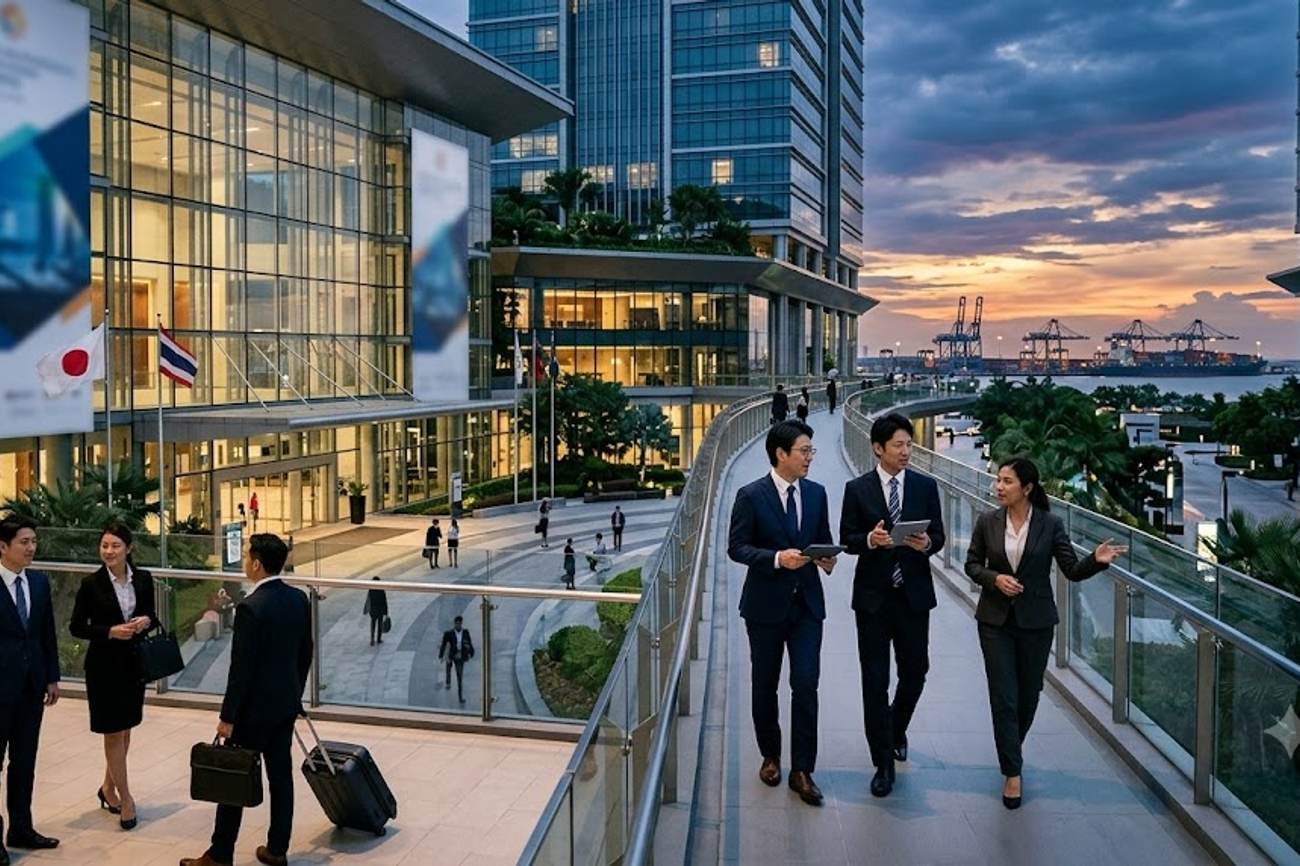
Image generated by AI
The Local Trend Revealed
Thailand is witnessing a strategic pivot in its eastern provinces. While the country has long been a leisure magnet, the Eastern Economic Corridor (EEC)—spanning Chonburi, Rayong, and Chachoengsao—is evolving into a sophisticated hub for Meetings, Incentives, Conventions, and Exhibitions (MICE).
This shift is powered by a massive influx of Japanese capital. According to the Department of Business Development under the Ministry of Commerce, 640 foreign businesses were approved for investment between January and June 2026, with total investments hitting 187.614 billion baht—a 68% year-on-year increase. Japan has emerged as the primary value driver; 87 approved Japanese businesses alone invested 44.662 billion baht, surpassing the individual investment values of China, the United States, Singapore, and Hong Kong.
For the business traveler, this means the EEC is no longer just an industrial zone. It is now a corridor of high-frequency corporate movement, where plant inspections, technical training, and regional headquarters create a steady stream of high-spending visitors who operate outside the traditional holiday seasons.
Cultural & Environmental Value
The transition toward MICE and corporate travel allows Thailand to move away from "mass tourism" models that often strain local resources. By targeting high-value corporate segments, the EEC reduces the environmental pressure associated with low-budget, high-volume tourism while increasing the economic yield per visitor.
For the visitor, the real impact is the integration of industry and leisure. In Chonburi, the proximity of Pattaya’s luxury hospitality infrastructure to major industrial hubs allows for a "bleisure" experience. Similarly, Rayong now blends energy and manufacturing sectors with coastal tourism and island access. This synergy supports the regional heritage by diversifying the local economy, ensuring that Chachoengsao and its neighbors are not merely industrial satellites of Bangkok, but destinations in their own right.
The Board of Investment (BOI) is further steering this growth toward sustainable futures, encouraging Japanese firms to expand into electric vehicles, semiconductors, and bio-industries. This aligns with Thailand's broader goal of becoming a "green" industrial leader in Southeast Asia.
Visitor Insider Tips
Navigating the EEC requires a different approach than visiting Bangkok or Phuket.
- The "Bleisure" Window: To avoid the heaviest industrial traffic in Rayong and Chonburi, schedule site visits for mid-morning (10:00 AM) and utilize the late afternoons for coastal exploration.
- Cultural Etiquette: When visiting Japanese-funded plants in the EEC, punctuality is paramount. A small, high-quality gift from your home country (Omiyage) is a deeply appreciated gesture when meeting Japanese executives.
- Under-the-Radar Spot: Beyond the factories, explore the riverside markets of Chachoengsao for authentic Thai cuisine and a slower pace of life that contrasts with the high-tech energy of the corridor.
- Dining Specialty: Try the local seafood in Rayong, specifically the fresh steamed crab, which is a staple for corporate dinner meetings in the region.
Tourism Outlook
The long-term trajectory for the EEC is one of stability. Unlike leisure tourism, which fluctuates with global trends and seasons, corporate travel is driven by infrastructure and long-term contracts. With total investment applications reaching approximately 1.47 trillion baht across 1,299 projects in H1 2026 (a 37% increase from the previous year), the region is building a recession-resistant tourism economy. The focus on AI data centers and digital infrastructure suggests that the next wave of visitors will be tech specialists and digital nomads, further elevating the region's global profile.
Related Travel Guides
Disclaimer
This article is for informational and educational purposes only. It does not constitute legal, financial, or professional advice. While we strive to provide accurate and up-to-date information, travel policies, regulations, and conditions change rapidly. Always verify information with official sources before making travel decisions. Nomad Lawyer makes no representations about the accuracy, reliability, completeness, or suitability of the information provided. Readers should consult qualified professionals for advice specific to their circumstances. The views expressed in this article are those of the author and do not necessarily reflect the views of Nomad Lawyer.
Naina Thakur
Contributor & Travel Specialist
Travel enthusiast and legal writer covering visa regulations, responsible tourism, and cultural journeys across global destinations.
Learn more about our team →