
Jamaica Tourism Recovery Threatened by Proposed 51% National Water Commission Rate Hike in 2026
Jamaica's hospitality sector faces a financial crisis as the National Water Commission proposes a 51% tariff increase amidst post-hurricane reconstruction and aging infrastructure challenges.

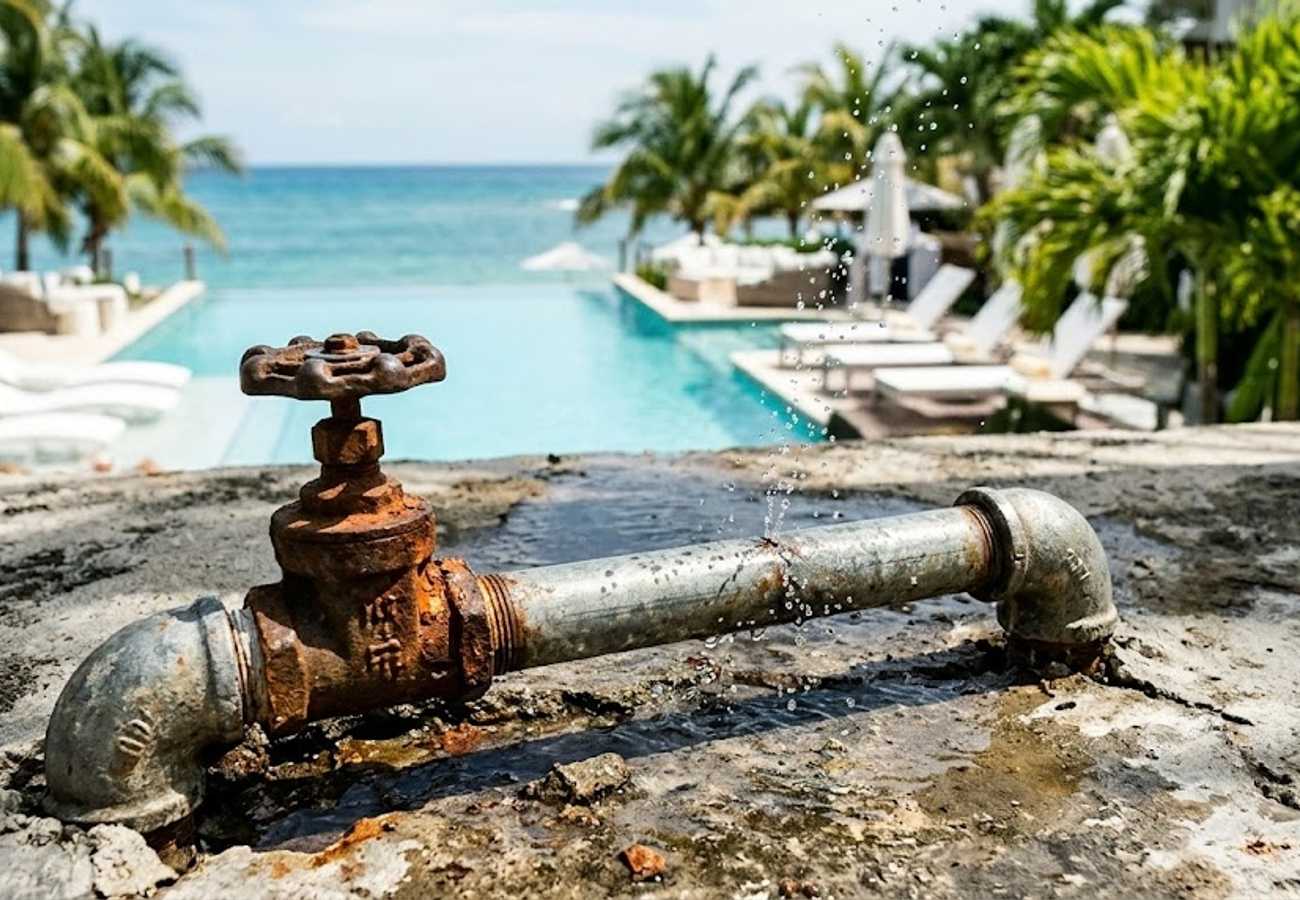
Image generated by AI
Approximately 70 per cent of Jamaica's water infrastructure is over 40 years old, a staggering statistic that puts the country's tourism recovery on a precarious edge. While the island works to rebuild after the devastation of Hurricane Melissa, a proposed utility price surge threatens to stifle the financial breathing room hotels desperately need to regain their footing.
The Infrastructure Crisis vs. Tourism Recovery
The hospitality sector in Jamaica is currently caught in a vice between recovery and rising overheads. As resorts invest heavily in repairing facilities and restoring guest confidence, the National Water Commission (NWC) has submitted a tariff application to the Office of Utilities Regulation (OUR) seeking a 51 per cent increase. This proposal, submitted on 16 October 2026, is intended to cover the five-year window from 2026/27 through 2030/31.
For the Jamaica Hotel and Tourist Association (JHTA), this isn't just about a line item on a balance sheet. Water is the lifeblood of the resort experience—powering everything from infinity pools and industrial laundries to high-end kitchens and tropical landscaping. Unlike marketing budgets or staffing levels, water consumption has a hard floor; you cannot cut it below a certain point without compromising the international standards guests expect.
What Makes Jamaica's Utility Struggle Unique
The tension here is not merely about cost, but about accountability. A June 2026 performance audit by Jamaica’s Auditor General revealed a troubling financial trajectory for the NWC. The utility's outstanding payables skyrocketed from J$10.6 billion in the 2016/17 financial year to J$33.2 billion by 2025/26. With net receivables sitting at roughly J$4.59 billion in March 2026, there is a massive gap between what the NWC owes and what it is collecting.
Furthermore, the audit of 50 infrastructure contracts showed that 29 projects suffered delays ranging from three to 29 months. For a hotelier, paying a 51 per cent premium for a system that is plagued by leaks and delayed upgrades is a difficult pill to swallow.
Current Commercial Water Costs
To understand the impact, one must look at the existing tiered pricing. The current rates, effective since 6 May 2026, are not flat; they vary based on the volume of water consumed.
| Consumption Tier | Water Charge (per 1,000 imp gal) | Sewerage Charge (per 1,000 imp gal) |
|---|---|---|
| Up to 2 million imperial gallons | J$2,816.75 | J$3,253.35 |
| Above 2 million imperial gallons | J$1,641.83 | J$1,896.34 |
The Financial Exposure for Hoteliers
While the OUR has not yet approved the new rates, the potential exposure is significant. Because the NWC uses a complex system involving service charges and a Price Adjustment Mechanism, the actual bill increase may not be a simple multiplication. However, the illustrative impact is sobering:
- Mid-sized Property: A hotel currently paying J$500,000 monthly would see its costs jump to J$755,000, adding J$3.06 million in annual expenses.
- Large Resort: A property with a J$1 million monthly bill could face an annual increase of J$6.12 million.
These costs often trickle down to the consumer or result in deferred maintenance on the properties themselves, potentially impacting Jamaica's standing as a top-tier destination on platforms like Visit Jamaica.
Visitor Insider Tips
If you are planning a stay in Jamaica during this period of infrastructure transition, keep these local nuances in mind:
- Choose Your Base Wisely: Base yourself in resorts that advertise their own desalination plants or advanced water catchment systems. These properties are less susceptible to municipal outages and price fluctuations.
- Water Etiquette: Be mindful of water usage. While luxury is the draw, the island is struggling with aging pipes. Simple gestures like shorter showers help alleviate pressure on local grids.
- Timing Your Visit: Avoid the peak of the hurricane season (June to November) to ensure you aren't visiting during active reconstruction phases, which can lead to intermittent utility disruptions.
- Local Flavor: Seek out "farm-to-table" eateries in the hills of Montego Bay or Ocho Rios; these often rely on natural springs and offer a more authentic, sustainable culinary experience.
Cultural and Environmental Context
The clash between the NWC and the JHTA highlights a deeper struggle within Jamaica: the balance between national development and the preservation of the tourism engine. Tourism is a primary GDP driver, but it places immense pressure on the island's limited freshwater resources.
The reliance on 40-year-old pipes leads to significant "non-revenue water" (water lost to leaks), which means the NWC is essentially losing money before the water even reaches the hotel. This creates a cycle where the utility asks for more money to fix leaks, but the businesses paying the bill see no improvement in service reliability. This environmental strain makes the push for sustainable water management not just a business necessity, but a requirement for the island's ecological survival.
FAQ: Visiting Jamaica 2026
What is the best time to visit Jamaica? The peak season is December to April, offering the best weather. However, visiting in the "shoulder" months of May or November often provides lower hotel rates while avoiding the worst of the hurricane season.
Do I need a visa to enter Jamaica? Requirements vary by nationality. Most US, Canadian, and UK citizens do not need a visa for short tourist stays, but you should check the official Jamaican Consulate for current regulations.
How do I get from the airport to my resort? Pre-arranged hotel shuttles are the most reliable. While taxis are available at Sangster (MBJ) and Norman Manley (KIN) airports, agreeing on a price beforehand or using a registered tour operator is highly recommended.
Is it safe for solo travelers? Yes, provided you stay in tourist-friendly zones and use reputable transport. Stick to well-traveled areas and avoid walking alone in unfamiliar urban neighborhoods after dark.
When the pipes are old and the bills are high, the true test of a destination is how it protects its welcome.
Related Travel Guides
Disclaimer
This article is for informational and educational purposes only. It does not constitute legal, financial, or professional advice. While we strive to provide accurate and up-to-date information, travel policies, regulations, and conditions change rapidly. Always verify information with official sources before making travel decisions. Nomad Lawyer makes no representations about the accuracy, reliability, completeness, or suitability of the information provided. Readers should consult qualified professionals for advice specific to their circumstances. The views expressed in this article are those of the author and do not necessarily reflect the views of Nomad Lawyer.
Raushan Kumar
Founder & Lead Developer
Full-stack developer with 11+ years of experience and a passionate traveller. Raushan built Nomad Lawyer from the ground up with a vision to create the best travel and law experience on the web.
Learn more about our team →