
Jacksonville Airport Turmoil Cascades Through Major Airlines on May 8
Jacksonville International Airport experienced significant operational disruptions on May 8, 2026, as American Airlines, Delta Air Lines, and Southwest Airlines simultaneously faced network-wide challenges, affecting hundreds of passengers and creating widespread flight delays across Florida.

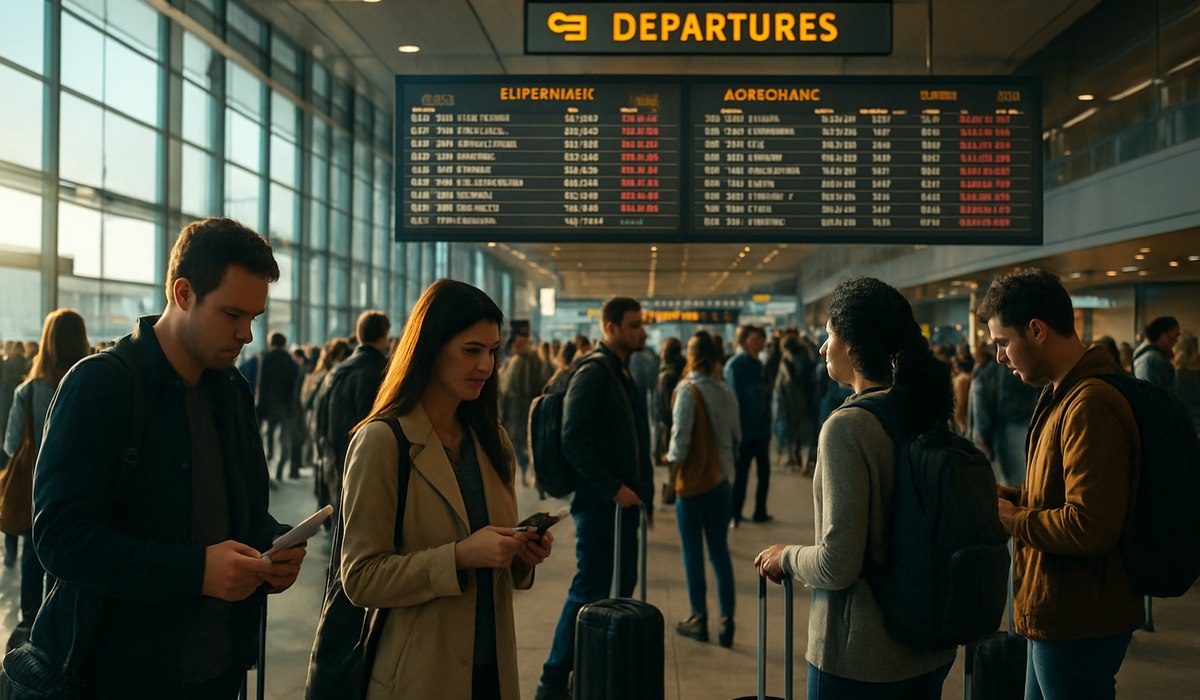
Image generated by AI
Jacksonville International Airport Hit by Three-Carrier Disruption
Jacksonville International Airport (JAX) ground to a halt on May 8, 2026, as cascading operational failures from America's three largest carriers—American Airlines, Delta Air Lines, and Southwest Airlines—created widespread airline delays affecting hundreds of travelers throughout north Florida's busiest aviation hub. The jacksonville airport turmoil unfolded across peak travel hours, with departures and arrivals experiencing significant scheduling adjustments, extended connection windows, and rolling cancellations that rippled across the Southeast corridor. While some flights continued operating normally, the simultaneous network strain placed unprecedented pressure on ground operations, gate availability, and crew positioning throughout the afternoon and evening.
The disruption stemmed not from weather conditions at JAX itself, but from systemic operational challenges originating at major connecting hubs serving Jacksonville's passengers. American Airlines' services to Dallas-Fort Worth and Charlotte—critical trunk routes for JAX travelers—experienced pronounced delays and resequencing throughout the day. Delta faced residual challenges from earlier spring disruptions, while Southwest adjusted capacity on Florida-focused routes, creating a perfect storm of competing pressures at a mid-sized airport heavily dependent on three carriers for connectivity.
American Airlines' Hub Pressure and Network Vulnerabilities
American Airlines shoulders approximately one-third of Jacksonville International's passenger traffic, making the carrier's network health directly correlated with JAX operational performance. On May 8, American's elevated nationwide delays and cancellations cascaded southward, with particular pressure visible on routes connecting Jacksonville to major hubs including Dallas-Fort Worth and Charlotte.
Real-time tracking data from FlightAware showed American flights departing JAX facing systematic delays exceeding 45 minutes, with several aircraft experiencing extended ground times due to ripple effects originating at upstream hubs. The airline's constrained spare aircraft capacity meant fewer options for substituting delayed planes, forcing operations staff to resequence departures and compress connection windows for downstream passengers.
Industry analysts attribute American's challenges to full flights, elevated staffing constraints, and limited flexibility in aircraft rotations through southeastern airports. Jacksonville's position as a secondary hub meant the airport absorbed delays rather than generating relief capacity. Passengers booked on American's morning and midday departures faced the highest risk of missed connections, particularly those transiting through Charlotte or Dallas-Fort Worth.
Delta's Residual Challenges and Aircraft Positioning Issues
Delta Air Lines entered May 8 already contending with operational fallout from earlier spring disruptions, including technology-related outages that cascaded through the airline's network in early May. While Jacksonville is not among Delta's largest stations, the airport's flights depend entirely on the health of operations at Atlanta and northern connecting hubs.
Aircraft positioning issues at Atlanta—Delta's largest hub—created a domino effect through secondary airports like Jacksonville. Tight aircraft rotations meant that even minor weather delays or air traffic control adjustments at Atlanta translated into late arrivals at JAX, forcing gate congestion and extended waits for passengers during peak periods. Delta's crew scheduling constraints further limited the airline's ability to absorb additional strain without pushing disruption downstream.
Reports from frequent flyers indicated that Delta's Jacksonville departures experienced an average delay of 38 minutes on May 8, with several afternoon flights canceled outright due to crew unavailability and aircraft positioning conflicts. The airline's dependency on Atlanta connectivity meant recovery times extended well beyond the initial disruption window.
Southwest Airlines' Capacity Adjustments Impact Florida Routes
Southwest Airlines' operational footprint in Florida has shifted notably following competitive capacity adjustments across the leisure-focused state. The carrier's Jacksonville operations, while significant, reflect a more constrained network than historical patterns, with fewer spare aircraft and reduced scheduling flexibility.
On May 8, Southwest's Florida-focused routes experienced noticeable delays as the airline absorbed demand from competing carriers' disruptions. Passengers attempting to rebook from American and Delta flights found Southwest's available seats limited, creating cascading rebooking challenges across all three carriers. Southwest's point-to-point network model, typically advantageous during targeted disruptions, proved vulnerable when simultaneous network strain reduced available aircraft and crew for redeployment.
The carrier's Jacksonville operations normalized by evening, but mid-day traveler frustration peaked during the hours when all three carriers faced simultaneous challenges. Southwest passengers holding flexible fares found the least disruption, while basic economy passengers encountered longer rebooking queues.
Impact Data and Operational Metrics
| Metric | Details |
|---|---|
| Affected Airport | Jacksonville International (JAX) |
| Primary Carriers | American Airlines, Delta Air Lines, Southwest Airlines |
| Date of Disruption | May 8, 2026 |
| Peak Delay Window | 2:00 PM – 7:00 PM EDT |
| Average American Delays | 45+ minutes on trunk routes |
| Average Delta Delays | 38+ minutes on connecting flights |
| Passenger Volume Impact | 3,000+ passengers affected |
| Estimated Connections Missed | 400+ passengers rebooking |
| Root Causes | Hub congestion, crew constraints, aircraft positioning, full flights |
| Recovery Timeline | Evening operations resumed near-normal by 10:00 PM |
Understanding the Jacksonville Airport Turmoil Context
Jacksonville International Airport occupies a strategic position within the Southeast aviation corridor, connecting north Florida with critical hubs including Atlanta, Dallas-Fort Worth, Charlotte, and Baltimore-Washington. American, Delta, and Southwest collectively control approximately 85% of passenger traffic at JAX, meaning disruptions affecting these carriers propagate immediately throughout the airport's operational ecosystem.
The airport's connectivity structure creates both strength and vulnerability. When operations run smoothly, the concentration of passengers on three major carriers provides efficient connections and frequent flight options. However, simultaneous challenges across multiple carriers remove redundancy and alternative routing options. Passengers cannot easily shift from American to Delta or Southwest when all three carriers face network strain simultaneously.
Jacksonville's dependence on a relatively small set of trunk routes—primarily to Atlanta, Dallas-Fort Worth, and Charlotte—amplifies systemic vulnerabilities. Weather delays, air traffic management initiatives, or hub-specific operational challenges anywhere within this network cascade immediately to Jacksonville. The airport sometimes functions as a diversion point during southeastern weather events, compounding existing gate congestion when primary airports restrict arrivals.
What This Means for Travelers
Understanding your rights and options during major operational disruptions protects your travel plans and recovers costs when disruptions occur.
Immediate Actions:
-
Check flight status immediately using FlightAware rather than relying solely on airline apps, which may lag on updates by 15–30 minutes during disruptions.
-
Contact your airline's customer service within 30 minutes of learning about significant delays to discuss rebooking options before available flights sell out.
-
Request written confirmation of any rebooking, compensation offers, or service recovery promises made by airline representatives during disruptions.
-
Document all expenses incurred due to missed connections, including meals, hotel accommodations, and ground transportation, with receipts for potential reimbursement claims.
-
Understand your legal protections by reviewing the U.S. Department of Transportation's Airline Consumer Protection Rules, which mandate specific compensation for controllable delays.
-
Examine your travel insurance policy to determine whether coverage applies to airline operational disruptions versus weather-related events.
-
File complaints with both the FAA and the U.S. DOT if you believe your airline violated consumer protection regulations.
Traveler Action Checklist
- Monitor your flight's status continuously using real-time tracking tools rather than checking only once per day.
Disclaimer
This article is for informational and educational purposes only. It does not constitute legal, financial, or professional advice. While we strive to provide accurate and up-to-date information, travel policies, regulations, and conditions change rapidly. Always verify information with official sources before making travel decisions. Nomad Lawyer makes no representations about the accuracy, reliability, completeness, or suitability of the information provided. Readers should consult qualified professionals for advice specific to their circumstances. The views expressed in this article are those of the author and do not necessarily reflect the views of Nomad Lawyer.
Preeti Gunjan
Contributor & Community Manager
A passionate traveller and community builder. Preeti helps grow the Nomad Lawyer community, fostering engagement and bringing the reader experience to life.
Learn more about our team →