
Italy Joins Portugal and Greece in Major Airbnb Crackdown as European Cities Fight Housing Crisis in 2026
Italy, Portugal, and Greece are implementing aggressive new restrictions on short-term rentals and Airbnb listings to combat urban housing shortages and protect local residential communities across Europe.

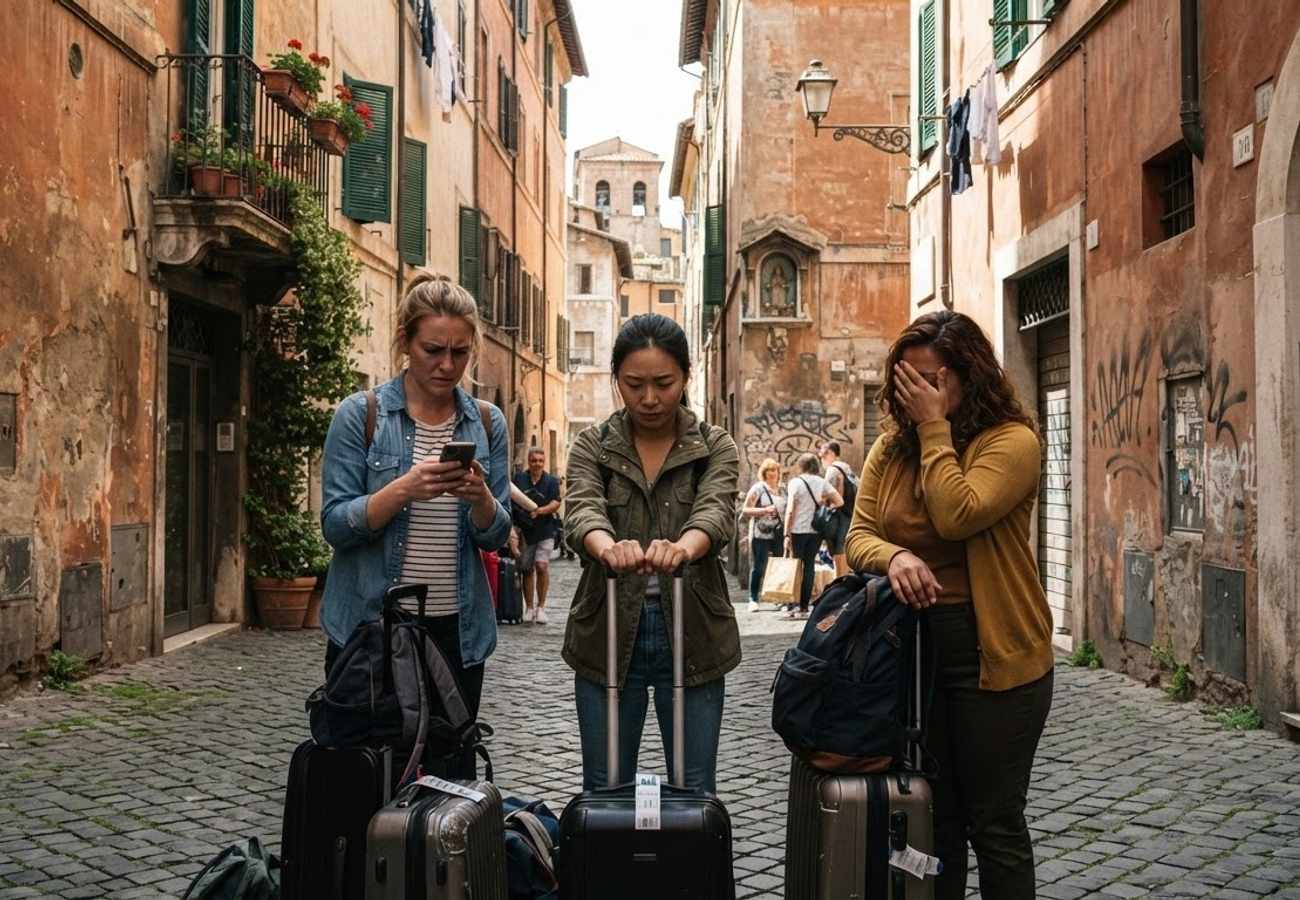
Image generated by AI
[Rome, July 9, 2026] — A sweeping regulatory shift is transforming the tourism landscape across Southern Europe as Italy, Portugal, and Greece intensify efforts to curb the proliferation of short-term rentals. Municipal authorities in these nations are aggressively pursuing expanded legal powers to restrict or entirely ban platforms like Airbnb in neighborhoods where the housing crisis has reached a breaking point.
The movement is driven by a critical need to rescue historic city centers from "touristification," a process where permanent residents are displaced by high-turnover holiday rentals. While the European Union has introduced transparency measures, local governments argue that data alone cannot solve the systemic lack of affordable long-term housing for citizens.
The Economic Tension Between Tourism and Urban Livability
Tourism remains a primary economic engine for the Mediterranean region, contributing billions in revenue and supporting countless local businesses. However, the rapid growth of digital rental platforms has created a volatile residential market. Industry observers note that the conversion of traditional apartments into tourist hubs has led to a sharp decline in available long-term leases, driving rental prices to unsustainable levels for local workers and families.
City councils are now sounding the alarm, stating that the character of historic districts is being eroded as permanent populations dwindle. The current objective is to shift from mere observation to active intervention. Local leaders are demanding that the European Union grant them the direct authority to implement zoning bans and strict quotas to stabilize these fragile urban ecosystems.
EU Regulation 2024/1028 and the New Transparency Standard
A pivotal change in the legal landscape occurred on May 20, 2026, with the enforcement of EU Regulation 2024/1028. This legislation established a harmonized framework across member states, mandating a centralized digital registration system for all short-term rental properties.
Under this new law, booking platforms must share real-time data with public authorities, ensuring that governments have a precise map of where and how many rentals are operating. The primary goal is to eliminate "ghost hotels"—unregistered properties that evade taxes and safety inspections.
Despite this progress, many city administrations maintain that transparency is a tool for monitoring, not a solution for housing. They argue that knowing exactly how many apartments are missing from the residential market does not bring those apartments back to the locals; only restrictive legislation can achieve that result.
Florence Implements Aggressive Zoning Restrictions
Florence has emerged as one of the most stringent regulators in Europe, extending its protective measures far beyond the confines of its UNESCO-listed historic center. To prevent the further erosion of residential life, the city council has enacted a two-year freeze on new short-term rental registrations.
This freeze now encompasses an additional 16 square kilometers of the city, affecting more than 100,000 residential units. The expanded restricted zones now include districts such as Statuto, San Jacopopino, and portions of Oltrarno.
| Regulation Detail | Florence Implementation |
|---|---|
| Restriction Type | Two-year freeze on new registrations |
| Geographic Scope | UNESCO center + 16 sq km of residential zones |
| Impacted Properties | Over 100,000 residential units |
| Grandfather Clause | Existing permits valid until May 31, 2028 |
By utilizing planning regulations as a shield for housing, Florence is attempting to stop the conversion of homes into hotels before the residential fabric of the city is permanently destroyed.
Lisbon's Strategy to Reclaim Residential Parishes
In Portugal, Lisbon is utilizing a combination of moratoriums and non-transferable licenses to protect its communities. Throughout 2026, the city council has extended a moratorium on new Alojamento Local (short-term rental) licenses across several historic parishes.
A key innovation in Lisbon’s approach is the introduction of non-transferable licensing rights in saturated districts like Bairro Alto, Chiado, and Alfama. Under these rules, if a property owner sells a rental unit, the license does not transfer to the new buyer.
This strategy ensures a gradual "natural" return of properties to the long-term market. Rather than forcing immediate closures, which could cause sudden economic shocks, Lisbon is engineering a slow structural correction to restore housing availability.
Rome Enforces Platform Compliance and Security Protocols
Rome has focused its efforts on operational oversight and the strict enforcement of the National Identification Code, known as the CIN, under Italy’s Decreto Anticipi framework.
With the EU’s May 2026 data-sharing requirements now active, Rome is holding platforms accountable. Any listing that cannot produce a verified CIN is subject to immediate removal from booking sites. This move targets the informal economy and ensures that all operators compete on a level legal playing field.
Beyond registration, Rome is tackling the "automated" nature of modern tourism. With over 25,000 tourist apartments now active in the capital, authorities have cracked down on remote self check-in systems. The use of digital keyboxes and automated entry is being heavily scrutinized, as officials believe face-to-face identity verification is essential for urban security and neighborhood oversight.
Why This Matters: The Future of European Urbanism
The coordinated actions in Italy, Portugal, and Greece signal a fundamental shift in how European cities view the "sharing economy." For a decade, platforms like Airbnb were seen as innovative tools for economic democratization. Now, they are being viewed by policymakers as structural threats to the viability of city living.
This trend indicates that the era of unregulated growth for short-term rentals is over. We are entering a period of "managed tourism," where the right to housing is being prioritized over the profit motives of property investors. The use of non-transferable licenses in Lisbon and geographic freezes in Florence suggests that cities are moving toward a model where tourism must fit into the city, rather than the city adapting to serve the tourist.
If these measures succeed, they will likely serve as a blueprint for other major hubs like Barcelona, Amsterdam, and Paris, potentially leading to a continent-wide standard where residential zoning is strictly enforced against commercial tourism encroachment.
The battle for the soul of Europe's historic cities is now being fought in the zoning office and the digital registry.
Related Travel Guides
Disclaimer
This article is for informational and educational purposes only. It does not constitute legal, financial, or professional advice. While we strive to provide accurate and up-to-date information, travel policies, regulations, and conditions change rapidly. Always verify information with official sources before making travel decisions. Nomad Lawyer makes no representations about the accuracy, reliability, completeness, or suitability of the information provided. Readers should consult qualified professionals for advice specific to their circumstances. The views expressed in this article are those of the author and do not necessarily reflect the views of Nomad Lawyer.
Kunal K Choudhary
Co-Founder & Contributor
A passionate traveller and tech enthusiast. Kunal contributes to the vision and growth of Nomad Lawyer, bringing fresh perspectives and driving the community forward.
Learn more about our team →