
Italy Leads Global Tourism With 61 UNESCO World Heritage Sites in 2026 Strategic Expansion
Italy secures its position as the world's premier cultural destination with 61 UNESCO World Heritage Sites, leveraging digital innovation and regional diversification to attract global travelers.

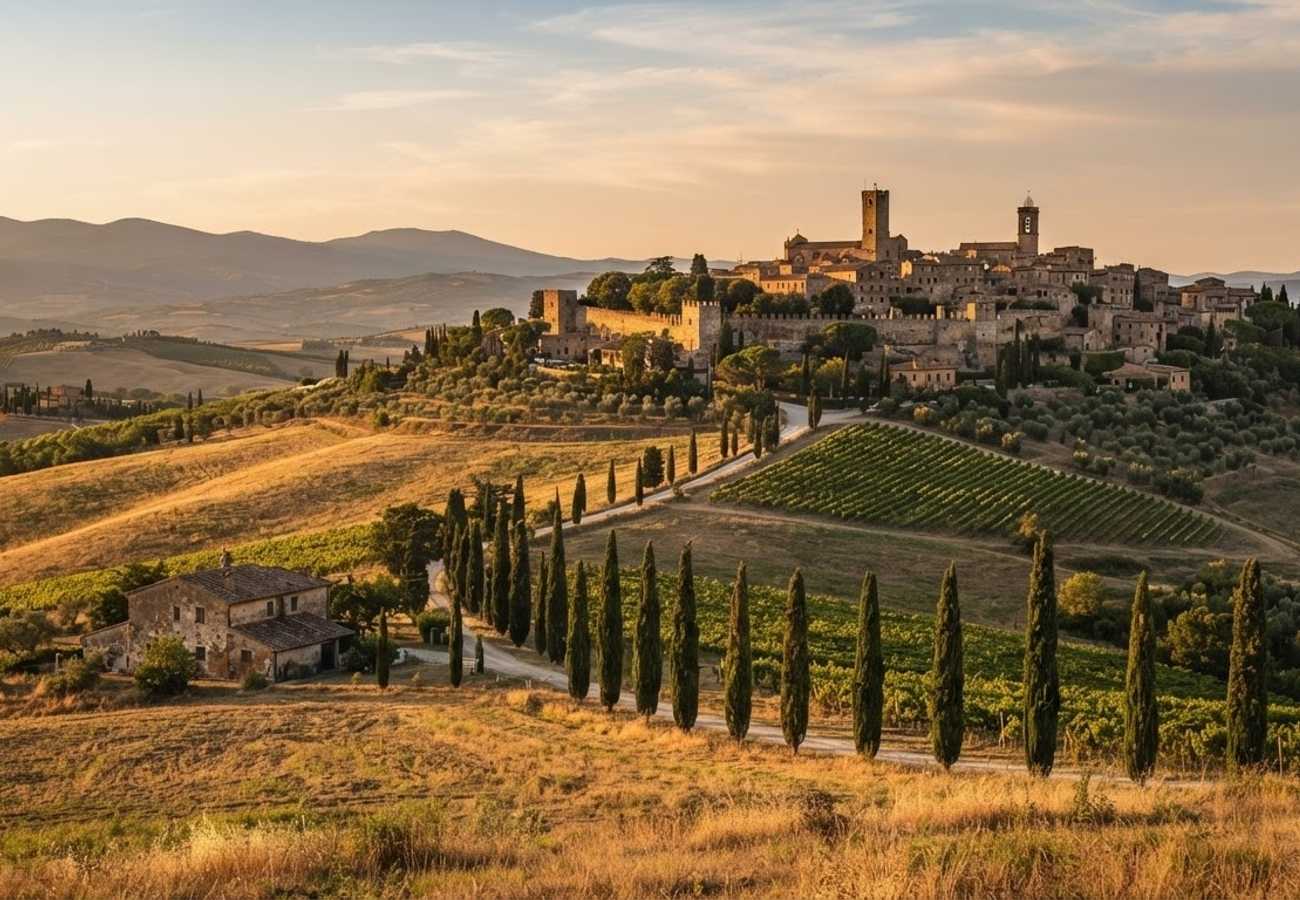
Image generated by AI
Italy currently dominates the global cultural landscape, boasting a record 61 UNESCO World Heritage Sites to attract international visitors. By integrating traditional heritage with modern digital tools and regional diversification, the nation is aggressively positioning itself as the primary destination for high-value cultural tourism in 2026.
The Italian tourism strategy has shifted from a reliance on "big city" landmarks to a comprehensive national experience. While the historical weight of the Roman Empire and the Renaissance remains a primary draw, the current focus emphasizes the distribution of tourist traffic across lesser-known provinces to ensure economic sustainability and site preservation.
Italy Surpasses Global Rivals in World Heritage Site Volume
The sheer density of protected sites provides Italy with a competitive edge in the international travel market. Current data indicates that Italy holds the highest number of UNESCO inscriptions globally, narrowly beating out other historically dense nations. This leadership is not merely a matter of prestige but serves as a core economic engine, driving millions of visitors toward diverse geographic regions.
The following data outlines the current standing of the world's most heritage-rich nations:
| Rank | Country | UNESCO World Heritage Sites | Primary Tourism Attraction |
|---|---|---|---|
| 1 | Italy | 61 | Ancient history, art, architecture, landscapes and culture |
| 2 | China | 60 | Imperial heritage, ancient civilisation and natural wonders |
| 3 | Germany | 55 | Historic cities, castles and industrial heritage |
| 4 | France | 54 | Royal heritage, architecture and cultural landmarks |
| 5 | Spain | 50 | Historic cities, art and traditional culture |
| 6 | India | 44 | Ancient monuments, temples and cultural landscapes |
| 7 | United Kingdom | 35 | Royal history and archaeological treasures |
| 8 | Mexico | 35 | Mayan heritage and ancient cities |
| 9 | Russia | 33 | Historic monuments and natural attractions |
| 10 | Iran | 28 | Persian civilisation and ancient sites |
| 11 | Japan | 26 | Temples, traditions and historic areas |
| 12 | United States | 25 | Natural parks and cultural landmarks |
| 13 | Brazil | 23 | Biodiversity and historic destinations |
| 14 | Canada | 22 | Natural heritage and cultural sites |
| 15 | Türkiye | 21 | Ancient ruins and historic landscapes |
| 16 | Australia | 20 | Natural wonders and indigenous heritage |
| 17 | Greece | 19 | Ancient civilisation and monuments |
| 18 | Poland | 17 | Historic cities and cultural locations |
| 19 | Portugal | 17 | Maritime heritage and historic towns |
| 20 | Czech Republic | 17 | Medieval architecture and heritage cities |
Diversifying the Italian Travel Experience Across Regions
The Italian government and tourism boards are actively steering visitors away from the saturated centers of Rome, Venice, and Florence. By promoting "hidden gems," Italy is attempting to mitigate the effects of overtourism while stimulating the economies of rural and coastal regions.
Areas such as Puglia, Calabria, Basilicata, Umbria, Sicily, and Tuscany are seeing increased footfall. This strategic pivot focuses on authentic local traditions and immersive experiences, allowing small-scale artisans, local farmers, and family-run hotels to benefit from the global tourism surge.
The diversity of these sites allows Italy to target a wide spectrum of traveler profiles, from luxury seekers and photographers to "slow travel" enthusiasts and academic historians.
Integrating Heritage with Specialized Tourism Zones
Italy has categorized its heritage assets to create specific "tourism journeys" that appeal to different interests. This segmentation helps in managing visitor flow and enhancing the quality of the experience.
| Heritage Area | Tourism Significance |
|---|---|
| Rome’s historic heritage | Focuses on the legacy of the Roman Empire and early civilization |
| Venice and its lagoon | Emphasizes unique maritime architecture and cultural identity |
| Florence | Highlights the peak of Renaissance creativity and art |
| Pompeii | Offers an immersive look at preserved ancient Roman daily life |
| The Dolomites | Targets adventure travelers and nature enthusiasts |
| Matera | Showcases prehistoric cave dwellings and traditional living |
| Historic villages | Promotes authentic, off-the-beaten-path local experiences |
Leveraging Cultural Festivals for Year-Round Visitation
To combat the seasonality of tourism, Italy is utilizing its extensive calendar of traditional festivals. These events transform static monuments into living history, providing visitors with a reason to visit during the off-peak months.
Music celebrations, regional food festivals, and historical reenactments serve as catalysts for longer stays. When a traveler visits for a specific event, they are more likely to explore surrounding heritage sites and spend more within the local economy, creating a ripple effect of financial benefit for small communities.
The Synergy of Gastronomy and Lifestyle Tourism
Beyond the architectural achievements, the "Italian Way of Life" has become a marketable product. The intersection of food, wine, and craftsmanship provides a sensory layer to the historical experience.
Travelers are increasingly seeking "lifestyle tourism," which includes:
- Regional wine tasting and vineyard tours
- Handmade pasta and culinary workshops
- Traditional artisan craftsmanship and local markets
- Rural agritourism and village stays
This connection between the plate and the monument ensures that the tourism experience is holistic rather than purely observational.
Digital Transformation and Sustainable Management
Italy is implementing smart tourism solutions to modernize the visitor experience. Digital tools are being deployed to help travelers discover remote sites and plan personalized itineraries, reducing the congestion in primary hubs.
Simultaneously, there is a rigorous push toward sustainable tourism. With the pressure of millions of annual arrivals, the focus has shifted toward responsible travel and better visitor management. This includes protecting fragile ecosystems in the Dolomites and maintaining the structural integrity of ancient ruins in Pompeii.
For the traveler, this means a shift toward more organized, less crowded experiences and a greater emphasis on eco-friendly transport and accommodation. From a logistical standpoint, these innovations allow Italy to scale its tourism industry without sacrificing the very heritage that makes it a global leader.
Italy continues to redefine cultural tourism by proving that ancient history and digital innovation can coexist to drive economic growth.
Related Travel Guides
Disclaimer
This article is for informational and educational purposes only. It does not constitute legal, financial, or professional advice. While we strive to provide accurate and up-to-date information, travel policies, regulations, and conditions change rapidly. Always verify information with official sources before making travel decisions. Nomad Lawyer makes no representations about the accuracy, reliability, completeness, or suitability of the information provided. Readers should consult qualified professionals for advice specific to their circumstances. The views expressed in this article are those of the author and do not necessarily reflect the views of Nomad Lawyer.
Kunal K Choudhary
Co-Founder & Contributor
A passionate traveller and tech enthusiast. Kunal contributes to the vision and growth of Nomad Lawyer, bringing fresh perspectives and driving the community forward.
Learn more about our team →