
Italy and Germany Tourism Crisis 2026: Oil Price Surge Over 20% Threatens European Travel Affordability
Rising oil costs are destabilizing tourism in Italy and Germany, with fuel price jumps exceeding 20% driving up costs for flights, ferries, and road travel across Europe.

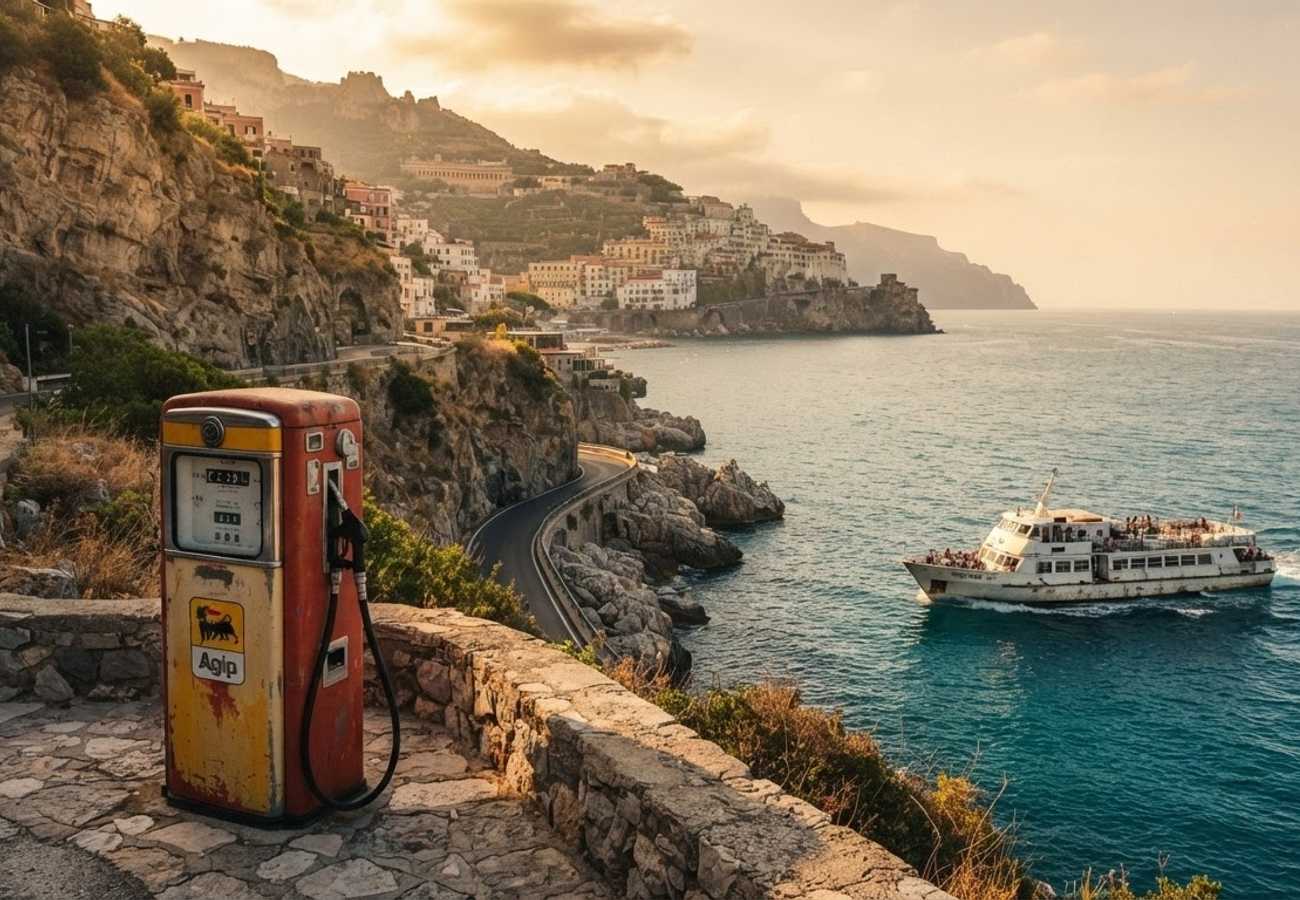
Image generated by AI
Oil price volatility is triggering a cost-of-living crisis for European travelers, with Italy and Germany seeing significant spikes in transport expenses. Fuel costs have surged by over 20% in key sectors, threatening the viability of traditional holiday models.
The Energy Shock: Impact on European Mobility
Supply chain instability in the Middle East and fluctuations in Iranian exports have pushed crude oil prices upward, creating a ripple effect across the European tourism ecosystem. Because oil is the primary energy source for nearly all transport modalities, these price jumps translate directly into higher ticket prices and operational overheads.
Our analysis indicates a bifurcated impact: Italy is experiencing a direct hit to its leisure mobility infrastructure, while Germany is facing systemic economic pressure that reduces overall consumer spending power.
Regional Breakdown: Italy vs. Germany
The scale of disruption varies by country based on the primary mode of tourist transit.
Italy: Direct Mobility Crisis
Italy's tourism model is highly dependent on fuel-based transportation to connect historic city centers with coastal and island regions.
- Petrol Price Increase: ~20.1%
- Diesel Price Increase: ~22.7%
- High-Risk Sectors: Ferry services (island connectivity), rental car agencies, airport transfers, and coach tour operators.
- Critical Vulnerability: Mediterranean destinations relying on maritime transport are seeing immediate operational cost spikes.
Germany: Systemic Economic Pressure
Germany's exposure is linked to its role as a global logistics hub and a primary source market for international travelers.
- Fuel Price Trend: Reported weekly rise of approximately 0.8%.
- Primary Impact: Increased operational expenses in logistics and business travel.
- Consumer Behavior: Rising energy costs are eroding household discretionary income, leading to a forecasted decline in long-distance domestic and international bookings.
Aviation and Hospitality Sector Analysis
Flight tracking and industry data suggest that the aviation sector is the first to pass these costs to the consumer. Jet fuel represents one of the largest line-item expenses for carriers operating out of major hubs in Frankfurt, Munich, and Rome.
Expected Aviation Impacts:
- Implementation of emergency fuel surcharges.
- Increased ticket pricing for long-haul international routes.
- Potential reductions in flight capacity on low-margin routes.
Beyond transport, the hospitality supply chain is under pressure. Hotels and restaurants are reporting higher costs for food deliveries, laundry operations, and general maintenance, which may lead to a general increase in "resort fees" or nightly rates to maintain profitability.
Passenger Rights & Advisory: Navigating the Cost Surge
For the affected passenger, these price hikes often manifest as "fuel surcharges" or sudden price jumps during the booking process. Our analysis of current aviation policies suggests the following guidance:
1. Fuel Surcharges and Refunds Under most aviation frameworks, fuel surcharges are considered part of the ticket price. However, if a flight is cancelled due to "economic unviability" resulting from fuel costs, passengers are generally entitled to a full refund or rebooking under EU261/2004 (for flights departing the EU or arriving on an EU carrier).
2. Rental Car Transparency With petrol and diesel costs up over 20%, passengers should scrutinize "full-to-full" fuel policies. We advise documenting fuel levels meticulously to avoid inflated refueling charges from rental agencies attempting to offset their own overheads.
3. Strategic Alternatives To mitigate these costs, travelers should consider:
- Rail Integration: Shifting from short-haul flights or rental cars to Europe's extensive rail network.
- Domestic Pivot: Opting for "staycations" or destinations closer to the point of origin to reduce fuel exposure.
- Booking Windows: Locking in fares early to avoid the volatility of weekly fuel adjustments.
The current energy shock is forcing a structural shift in European tourism. Italy's heavy reliance on the "road and ferry" model makes it uniquely vulnerable to oil volatility. In contrast, Germany's challenge is macroeconomic; as a major source of tourism spend, any dip in German consumer confidence typically leads to a decline in tourism revenue across the entire Eurozone.
The long-term outlook suggests a move toward "slow travel" and a permanent increase in the baseline cost of Mediterranean holidays.
The era of low-cost European mobility is facing a critical stress test as energy markets destabilize.
Related Travel Guides
Disclaimer
This article is for informational and educational purposes only. It does not constitute legal, financial, or professional advice. While we strive to provide accurate and up-to-date information, travel policies, regulations, and conditions change rapidly. Always verify information with official sources before making travel decisions. Nomad Lawyer makes no representations about the accuracy, reliability, completeness, or suitability of the information provided. Readers should consult qualified professionals for advice specific to their circumstances. The views expressed in this article are those of the author and do not necessarily reflect the views of Nomad Lawyer.
Kunal K Choudhary
Co-Founder & Contributor
A passionate traveller and tech enthusiast. Kunal contributes to the vision and growth of Nomad Lawyer, bringing fresh perspectives and driving the community forward.
Learn more about our team →