
Ireland Tourism Targets €10 Billion Annual Visitor Spend by 2031 via Global Strategy
Ireland is shifting its tourism model from volume to value, aiming for €10 billion in annual international visitor spending by 2031 through regional dispersal and high-value experiences.

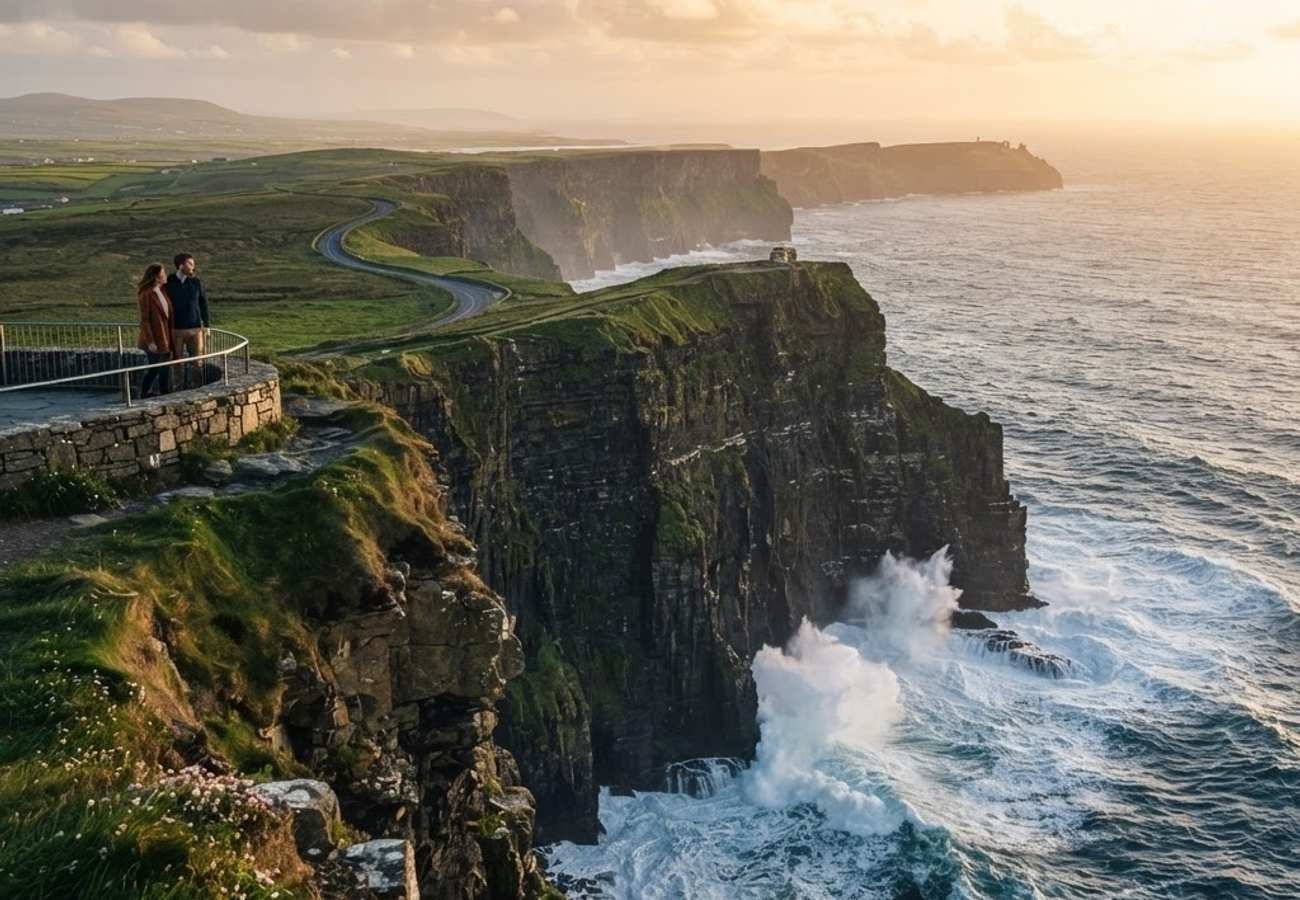
Image generated by AI
Ireland is pivoting its economic strategy to prioritize the quality of tourist spending over the quantity of arrivals, targeting a massive €10 billion annual revenue from international visitors by 2031.
The shift represents a fundamental change in how the island manages its tourism economy. Rather than chasing raw arrival numbers, the focus has moved toward "visitor value"—increasing the amount each traveler spends by extending their stay and pushing them beyond the capital city of Dublin.
A Value-Driven Approach to Economic Growth
The €10 billion ambition is the cornerstone of Tourism Ireland’s long-term corporate plan. Success is now measured by the economic footprint left across various sectors, including:
- Hospitality: Increased spend on regional accommodation and boutique hotels.
- Gastronomy: Higher expenditure in local restaurants and food tourism.
- Experiences: Growth in paid attractions, guided tours, and specialized activities.
- Transport: Increased utilization of regional transport and car rentals for multi-city journeys.
By encouraging travelers to venture into the provinces, Ireland aims to distribute wealth more evenly across its rural communities and smaller urban centers.
Strategic Market Analysis: From Short-Haul to Long-Haul
Ireland is deploying a tiered marketing strategy tailored to specific global demographics to ensure a steady stream of high-spending visitors.
The Great Britain Connection
Due to geographical proximity, Great Britain remains a primary engine for tourism. The strategy here focuses on short breaks and repeat visits. Marketing efforts are designed to steer British tourists away from Dublin-centric trips and toward themed holidays centered on music, heritage, and outdoor adventure.
The US High-Value Segment
The United States provides the highest potential for long-haul, high-spend itineraries. Leveraging deep ancestral and cultural ties, Ireland is promoting multi-region journeys. A typical high-value US itinerary now encourages combining Dublin with visits to Galway, the Cliffs of Moher, Killarney, and Cork.
European Diversification
Markets in Germany, France, Spain, Italy, and the Nordic countries are being leveraged to broaden the visitor base. The goal is to utilize improved air connectivity to position Ireland as a premier destination for culture and nature, rather than just a quick city break.
Asian Market Expansion
Asia represents the long-term growth frontier. These visitors typically undertake longer trips that integrate Ireland into a broader European tour. The challenge for the state is upgrading regional infrastructure—specifically transport and accommodation—to meet the expectations of luxury long-haul travelers.
Regional Dispersal: Beyond the Dublin Gateway
While Dublin serves as the primary entry point, the €10 billion target is unattainable without regional growth. The strategy relies on several key tourism circuits:
- The Wild Atlantic Way: A massive framework for coastal travel and road trips along the western seaboard.
- Ireland’s Ancient East: A circuit linking historic towns, gardens, and heritage sites across the east and south.
- Southern Hubs: Kerry and Killarney provide national park experiences, while Galway and Cork act as cultural anchors for the west and south.
Monetizing the "Experience Economy"
To drive spending, Ireland is moving beyond traditional sightseeing toward "premium experiences." By specializing in niche markets, the industry can attract travelers willing to pay more for curated stays.
Key growth sectors include:
- Spirit Tourism: High-end whiskey experiences and distillery tours.
- Active Travel: Golf, adventure sports, and wellness retreats.
- Cultural Immersion: Music festivals and heritage-based storytelling.
Financial Targets and Timeline
The transition from a volume-growth model to a value-distribution model is mapped out over the next several years.
| Milestone | Objective | Strategic Focus |
|---|---|---|
| 2026 | Global Marketing Acceleration | Expanding reach in US, EU, and Asian markets |
| 2027-2030 | Infrastructure & Dispersal | Improving regional transport and accommodation supply |
| 2031 | €10 Billion Annual Spend | Achieving the long-term overseas tourism value target |
The shift toward a value-based model ensures that Ireland's tourism growth remains sustainable while maximizing the economic benefit for local communities.
Key Takeaways
- Revenue Target: Ireland aims for €10 billion in annual international visitor spending by 2031.
- Strategic Shift: Moving from "number of arrivals" to "economic value per visitor."
- Regional Focus: Prioritizing the Wild Atlantic Way and Ancient East to move tourists out of Dublin.
- Market Priorities: High-value US long-haulers and repeat visitors from Great Britain.
- Experience-Led Growth: Focusing on whiskey, golf, and wellness to increase per-person expenditure.
FAQ
What is the primary goal of Ireland's 2031 tourism plan? The goal is to increase the total economic value generated by international tourists to €10 billion per year by 2031.
How does Ireland plan to increase visitor spending? By encouraging longer stays, promoting regional travel beyond Dublin, and developing premium "experience-based" tourism like whiskey and wellness.
Which international markets are being targeted? The strategy focuses on Great Britain, the United States, mainland Europe (Germany, France, Spain, Italy, Nordics), and emerging markets in Asia.
Related Travel Guides
Disclaimer
This article is for informational and educational purposes only. It does not constitute legal, financial, or professional advice. While we strive to provide accurate and up-to-date information, travel policies, regulations, and conditions change rapidly. Always verify information with official sources before making travel decisions. Nomad Lawyer makes no representations about the accuracy, reliability, completeness, or suitability of the information provided. Readers should consult qualified professionals for advice specific to their circumstances. The views expressed in this article are those of the author and do not necessarily reflect the views of Nomad Lawyer.
Raushan Kumar
Founder & Lead Developer
Full-stack developer with 11+ years of experience and a passionate traveller. Raushan built Nomad Lawyer from the ground up with a vision to create the best travel and law experience on the web.
Learn more about our team →