
United States Embassy Baghdad Reissues Strict Iraq Travel Warning and Reaffirms Do Not Travel Mandate Following Escalating Erbil Drone Strike: New Travel Alert
US Embassy Baghdad issues Iraq travel warning. Reaffirms Do Not Travel Level 4 order after Erbil drone strike. Learn about contingency guidelines.

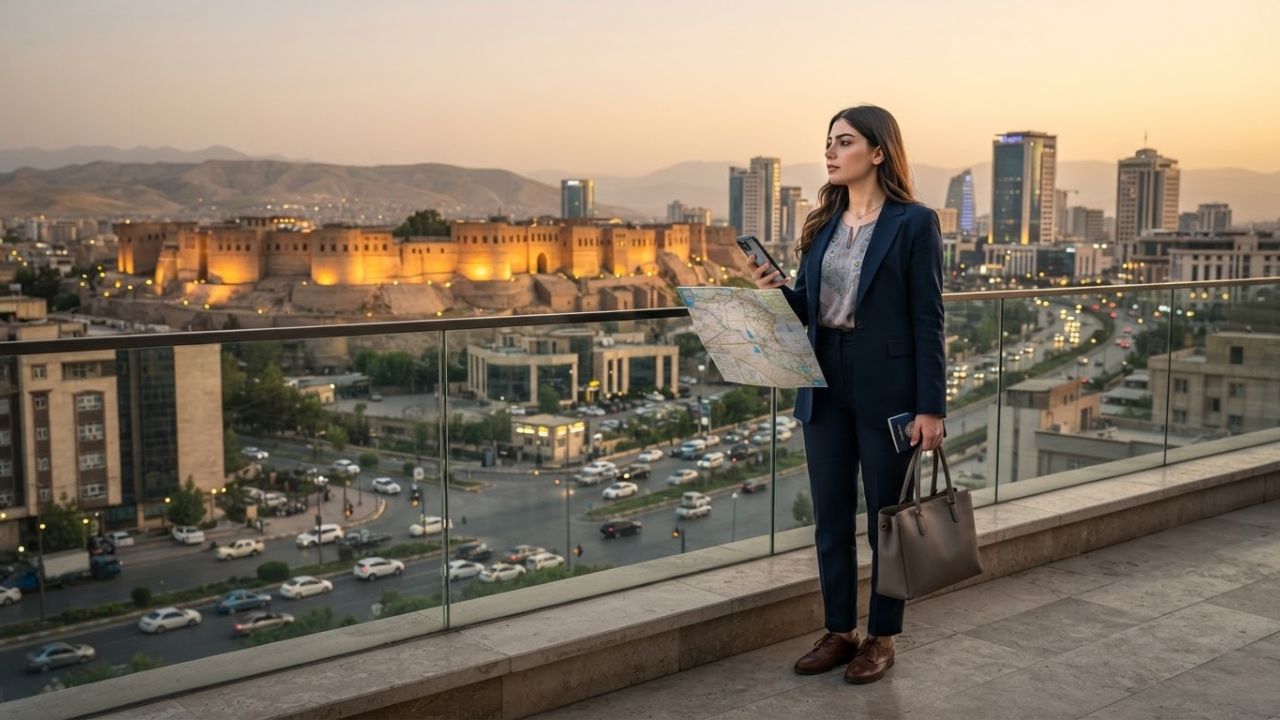
Image generated by AI
Published on July 19, 2026
The United States Embassy in Baghdad has reissued a critical Iraq travel warning and reaffirmed its Level 4 Do Not Travel advisory after a significant drone strike disrupted Erbil on July 15, 2026. This warning highlights the severe regional volatility and escalating risks posed by non-state actors targeting sensitive zones with a coalition presence. American citizens currently in the country are urged to re-evaluate their presence, implement robust personal exit strategies, and maintain a low profile to navigate the compromised operating environment.
Quick Summary
- Advisory Reaffirmed: The US Embassy in Baghdad has reissued a strict Iraq travel warning, maintaining the highest Level 4 "Do Not Travel" advisory due to severe geopolitical instability.
- Erbil Drone Strike: A major security disruption occurred on July 15, 2026, when unmanned aerial vehicles targeted sensitive zones with a coalition presence in Erbil, Kurdistan.
- Limited Embassy Support: Diplomatic officials warn that current security constraints severely limit the embassy's capacity to provide emergency medical or protective services.
- Impact on Expatriates: Foreign nationals, humanitarians, and researchers face a compromised operating environment, characterized by frequent checkpoints and intensified bureaucratic oversight.
- Autonomous Emergency Plans: Citizens are urged to maintain self-sufficiency for 48 to 72 hours and develop contingency plans independent of government assistance.
Context and Background: Volatility in the Kurdistan Region
The history of the Kurdistan region in Iraq remains highly complex, marked by long-standing geopolitical standoffs and localized security challenges. In recent years, the capital city of Erbil has increasingly served as a focal point for regional actors. This tension has frequently resulted in instances of aerial harassment targeting international facilities.
The drone strike on July 15, 2026, is viewed by intelligence analysts as an escalation in hostilities. It reflects a broader pattern of instability in international relations, where security conditions can change rapidly. Consequently, diplomatic responses are necessary to safeguard foreign nationals residing in the area.
Event/Incident Details: Erbil Drone Strike Targets Coalition Presence Zones
The incident occurred on July 15, 2026, when unmanned aerial vehicles targeted sensitive zones with a coalition presence in Erbil. Military analysts are currently examining the precise origin of the ordnance used in the strike. The strategic context remains clear: regional stability is being challenged by non-state actors and proxy forces.
The US Embassy's decision to issue a public alarm reflects the symptom of a deep, systemic security dilemma. According to official US Embassy in Baghdad security alerts, the incident highlights Erbil's vulnerability to remote aerial attacks. In response, security forces have implemented strict monitoring of local airspace to identify future threat vectors.
Risk/Impact: How the Iraq Travel Warning Affects Expatriate Mobility
The formal reissue of the Level 4 travel advisory has a profound impact on individuals currently navigating the region. Movement within the Kurdistan region is strongly discouraged, and Western citizens face a compromised operating environment.
- Curtailed Freedom of Movement: Expatriates are advised to limit non-essential travel and stay in secure facilities.
- Increased Risk for Aid Workers: Researchers and humanitarian workers face heightened threats in remote and border districts.
- More Frequent Checkpoints: Security forces are implementing additional checkpoints throughout Erbil and the wider Kurdistan region.
- Intensified Bureaucratic Oversight: Government agencies have increased registration and visa checks for foreign nationals.
- Targeting of Diplomatic Sites: American diplomatic facilities and associated personnel face a high risk of hostile action.
What Authorities Are Saying: US Embassy Baghdad Urges Autonomy
Diplomatic officials urge all American citizens to re-evaluate their presence in Iraq and prioritize extreme caution. Under the US Department of State Bureau of Consular Affairs safety guidelines, travelers are warned that embassy capacity to assist is severely constrained.
The embassy has explicitly noted that its capacity to provide emergency medical or protective services during a crisis is limited by ongoing hostile conditions. Personal safety is ultimately the responsibility of the individual. This matches the United Nations Security Council regional statements calling for immediate de-escalation and the protection of international personnel operating in conflict zones.
Practical Traveler Advice: Personal Contingency Planning in High-Risk Zones
For individuals currently situated within this volatile environment, the guidance provided by the embassy is both explicit and urgent. American citizens are strongly advised to observe the following safety protocols:
- Maintain a Low Profile: Do not disclose travel plans, schedules, or residential information. Dress to blend into the local environment.
- Monitor Reliable Information Sources: Regularly check local media, US Embassy social media, and international outlets for real-time security alerts.
- Avoid Public Gatherings: Steer clear of protests, demonstrations, and large events that can spontaneously turn violent.
- Practice Situational Awareness: Be mindful of your surroundings, identify exits, and note the location of secure facilities or hospitals.
- Develop a Robust Exit Strategy: Create a comprehensive contingency plan independent of government assistance, as consular rescue resources are limited.
- Secure Essential Documentation: Keep passports, visas, and emergency contacts easily accessible, and store encrypted digital copies in the cloud.
- Establish Communication Protocols: Set up regular check-in times with family or colleagues to ensure your status is known if mobile services are disrupted.
- Prepare Emergency Kits: Maintain a "go-bag" with essential medications, water, non-perishable food, and first-aid supplies to remain self-sufficient for 48 to 72 hours.
- Review Transportation Security: Use pre-arranged, vetted transport services only, avoiding public transit or random taxis at night.
Broader Context: Non-State Actors and the Regional Dilemma
Non-state actors and proxy forces continue to challenge the sovereignty and stability of the Kurdistan region. Erbil’s strategic role as a hub for coalition presence makes it a primary target for aerial harassment. For international organizations and businesses operating in Iraq, adjusting to this security dilemma requires proactive risk assessment and strict alignment with diplomatic advisories.
Looking Ahead: Heightened Checkpoints and Bureaucratic Oversight
Over the coming months, regional security forces will likely maintain high alert levels, leading to tighter border checks and increased monitoring of foreign nationals. The US Embassy will continue to review threat vectors and coordinate with local security departments to safeguard personnel. Expatriates should prepare for administrative delays and ongoing travel restrictions.
Conclusion: Emphasizing Preparedness and Vigilance
Geopolitical instability is introducing severe security challenges across the Kurdistan region. By understanding the guidelines, maintaining emergency supplies, and staying in contact with consulates, foreign nationals can ensure their personal safety. Emphasizing preparedness and vigilance remains essential to navigate this highly volatile environment.
FAQ: Iraq Travel Warning and Erbil Security Updates
Why has the US Embassy Baghdad reissued the Iraq travel warning?
The embassy reissued the warning due to a significant Erbil drone strike on July 15, 2026, which targeted coalition zones and highlighted ongoing regional volatility.
What is a Level 4 travel advisory?
A Level 4 advisory is the highest warning level issued by the US Department of State, telling citizens to "Do Not Travel" to the destination.
Can the US Embassy assist citizens in an emergency in Iraq?
The embassy warns that its capacity to provide emergency medical or protective services is severely limited by ongoing security constraints.
What safety measures should Western citizens take in Erbil?
Maintain a low profile, develop personal exit strategies, secure all travel documentation, and avoid public gatherings and night travel.
Are transport routes safe in the Kurdistan region?
Security checkpoints have become more frequent, and travelers are advised to use pre-arranged, vetted transport services rather than public taxis.
Related Travel Guides
Disclaimer
This article is for informational and educational purposes only. It does not constitute legal, financial, or professional advice. While we strive to provide accurate and up-to-date information, travel policies, regulations, and conditions change rapidly. Always verify information with official sources before making travel decisions. Nomad Lawyer makes no representations about the accuracy, reliability, completeness, or suitability of the information provided. Readers should consult qualified professionals for advice specific to their circumstances. The views expressed in this article are those of the author and do not necessarily reflect the views of Nomad Lawyer.
Kunal K Choudhary
Co-Founder & Contributor
A passionate traveller and tech enthusiast. Kunal contributes to the vision and growth of Nomad Lawyer, bringing fresh perspectives and driving the community forward.
Learn more about our team →