
Iraq Launches Strategic Tourism Revival Featuring Ecotourism Projects, Eased Entry Regulations, and Major Highway Upgrades to Heritage Sites
Iraq is reviving its travel sector by investing in ecotourism, easing tourist visas, and upgrading highway links to ancient heritage sites like Ur.

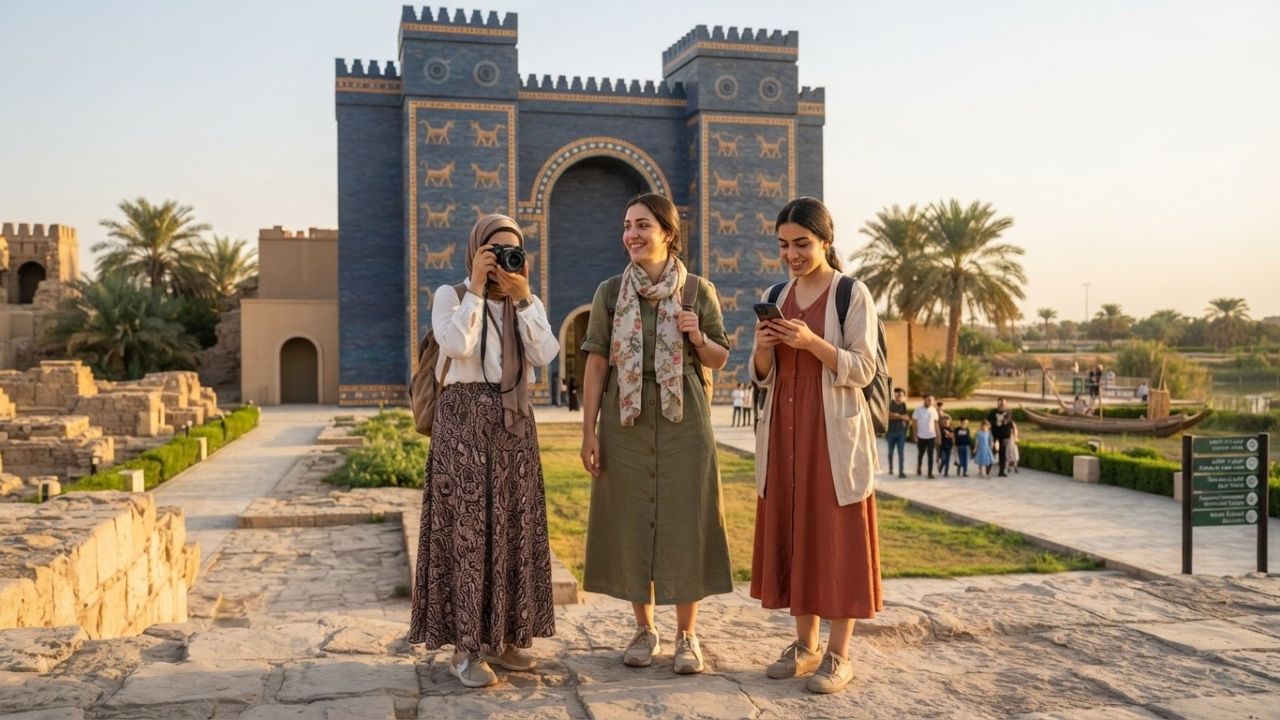
Image generated by AI
The tourism sector in Iraq is undergoing a structured revival to attract international travelers. The government is promoting ecotourism projects, simplifying tourist entry rules, and upgrading transport links to key archaeological sites.
Ecotourism Projects Expand Across Southern Marshlands and Rural Districts
According to reports, the Iraqi government is prioritizing eco-friendly travel projects to diversify its economy.
The southern marshlands, known for their unique biodiversity, are the focus of these sustainable development plans.
The official portal for the Iraqi Tourism Board outlines rules designed to protect these fragile wetland ecosystems.
By encouraging green investments, authorities aim to generate income for local communities while preserving native traditions.
The tables below detail the nominated tourism villages and the key historical sites targeted for infrastructure development.
Best Tourism Villages 2026 Nominations in Iraq
| Nominated Village | Province / Region | Geographic Landscape Type | Primary Cultural & Historical Focus |
|---|---|---|---|
| Biyara | Halabja, Kurdistan Region | Mountainous Highland | Traditional architecture and local farming |
| Rawanduz | Erbil, Kurdistan Region | Canyon and Scenic Valley | Nature tourism and mountain outdoor sports |
| Hiror | Duhok, Kurdistan Region | Mountainous Borderland | Historic heritage ruins and rural agriculture |
| Merki | Nineveh Province | Plains and Agricultural Valleys | Assyrian cultural legacy and heritage preservation |
| Abu Subat | Dhi Qar Province | Southern Wetland Marshlands | Marshland heritage, reed crafts, wildlife |
Key Archaeological and Heritage Tourism Hotspots
| Historic Heritage Site | Province Location | Archaeological Value | Infrastructure Upgrade Priority |
|---|---|---|---|
| Ur | Dhi Qar Province | Ancient Sumerian Civilisation, Ziggurat | Modern visitor centers, highway links |
| Babylon | Babylon Province | Mesopotamian Empire Ruins | Guided walking routes, signage updates |
| Mosul | Nineveh Province | Historic Old City, Multicultural heritage | Urban restoration, hotel room capacity |
| Baghdad | Baghdad Governorate | Abbasid Caliphate Palace, Museum | Road upgrades, green spaces, urban transit |
Simplified Visa Entry Rules Improve Regional Travel Access
Iraq is working to simplify border clearance procedures for international tour groups and individual travelers.
Easing entry regulations is designed to make the country more competitive with neighboring Middle Eastern hubs.
A streamlined visa process will help attract cultural travelers, academic delegations, and religious visitors.
It also supports domestic hospitality providers, including hotels, restaurants, and transport guides.
Authorities hope these entry updates will help shift global perceptions and highlight the country's travel readiness.
Road Network Upgrades Connect Baghdad to Ancient Heritage Cor corridors
Public works departments are upgrading highways leading to key archaeological zones like Ur, Babylon, and Nineveh.
Improving these roads is essential for enabling tour operators to run multi-city itineraries.
The government is also designing dedicated tourist bus routes to reduce terminal congestion during holiday periods.
Baghdad's designation as the Arab Tourism Capital has added fresh momentum to these infrastructure projects.
The capital is upgrading its municipal parks, historic districts, and hotel capacity to serve as a gateway for foreign arrivals.
Regional Accolades and Village Nominations Highlight Sustainable Tourism Focus
Nominations submitted to the UN Tourism Best Tourism Villages program reflect a focus on rural preservation.
Five villages, including Biyara in Halabja and Merki in Nineveh, have been nominated for the global recognition.
This program helps rural communities benefit from visitor spending while preserving their heritage, food, and crafts.
By promoting these mountain and wetland settlements, Iraq aims to disperse tourism revenue to less-populated provinces.
This balanced model helps protect historical sites from overcrowding while creating jobs for rural residents.
Why This Matters
Our analysis of the regional travel data indicates that Middle Eastern tourism is increasingly driven by cultural and nature-based itineraries. Travelers are looking for authentic, less-commercialized destinations.
Iraq's extensive heritage, from Sumerian ruins to the southern marshes, provides a distinct competitive advantage.
However, historical appeal must be supported by practical infrastructure, including safe roads and easy visa rules.
The focus on ecotourism helps protect sensitive ecosystems from the negative impacts of rapid traveler growth.
Ultimately, these initiatives show that sustainable management is essential for long-term tourism growth in recovering markets.
Industry Outlook
Market trends suggest that Middle Eastern carriers will continue to expand flight connections to Baghdad and Basra. Private developers are projected to increase investment in boutique hotel lodging near heritage sites.
Expect visitor arrivals to rise gradually as simplified entry systems are rolled out across international airports. The Iraqi travel sector is projected to focus on high-yield cultural tourism.
Key Takeaways
- Green Tourism: Iraq is prioritizing ecotourism projects in the southern marshlands to protect wetlands.
- Visa Updates: Simplified tourist entry regulations aim to improve accessibility for foreign visitors.
- Infrastructure Focus: Highway improvements are underway to connect Baghdad with Ur, Babylon, and Mosul.
- UN Nominations: Five rural villages have been nominated for the UN Best Tourism Villages 2026 program.
- Capital Upgrades: Baghdad is upgrading public spaces following its selection as the Arab Tourism Capital.
FAQ
Is it easier to get a tourist visa for Iraq now?
Yes, Iraq is simplifying entry procedures and expanding visa access to make the country more accessible to international travelers.
What are the main ecotourism destinations in Iraq?
The southern marshlands in Dhi Qar province are the primary focus for sustainable, nature-based travel projects.
Which historic sites are receiving road upgrades?
Key archaeological sites including Ur, Babylon, and Mosul are receiving highway and tourist bus route improvements.
Which villages were nominated for the UN Best Tourism Villages program?
Iraq nominated Biyara, Rawanduz, Hiror, Merki, and Abu Subat to promote rural and sustainable tourism.
Disclaimer
This article is for informational and educational purposes only. It does not constitute legal, financial, or professional advice. While we strive to provide accurate and up-to-date information, travel policies, regulations, and conditions change rapidly. Always verify information with official sources before making travel decisions. Nomad Lawyer makes no representations about the accuracy, reliability, completeness, or suitability of the information provided. Readers should consult qualified professionals for advice specific to their circumstances. The views expressed in this article are those of the author and do not necessarily reflect the views of Nomad Lawyer.
Kunal K Choudhary
Co-Founder & Contributor
A passionate traveller and tech enthusiast. Kunal contributes to the vision and growth of Nomad Lawyer, bringing fresh perspectives and driving the community forward.
Learn more about our team →