
Restoring Western Asia Air Corridors: How Bilateral Flight Shifts Impact Pilgrimage, Medical Transit, and Regional Travel
Diplomatic efforts focus on restoring scheduled civil aviation links across Western Asia, protecting vital pilgrimage corridors to Mashhad and Najaf alongside regional medical travel routes.

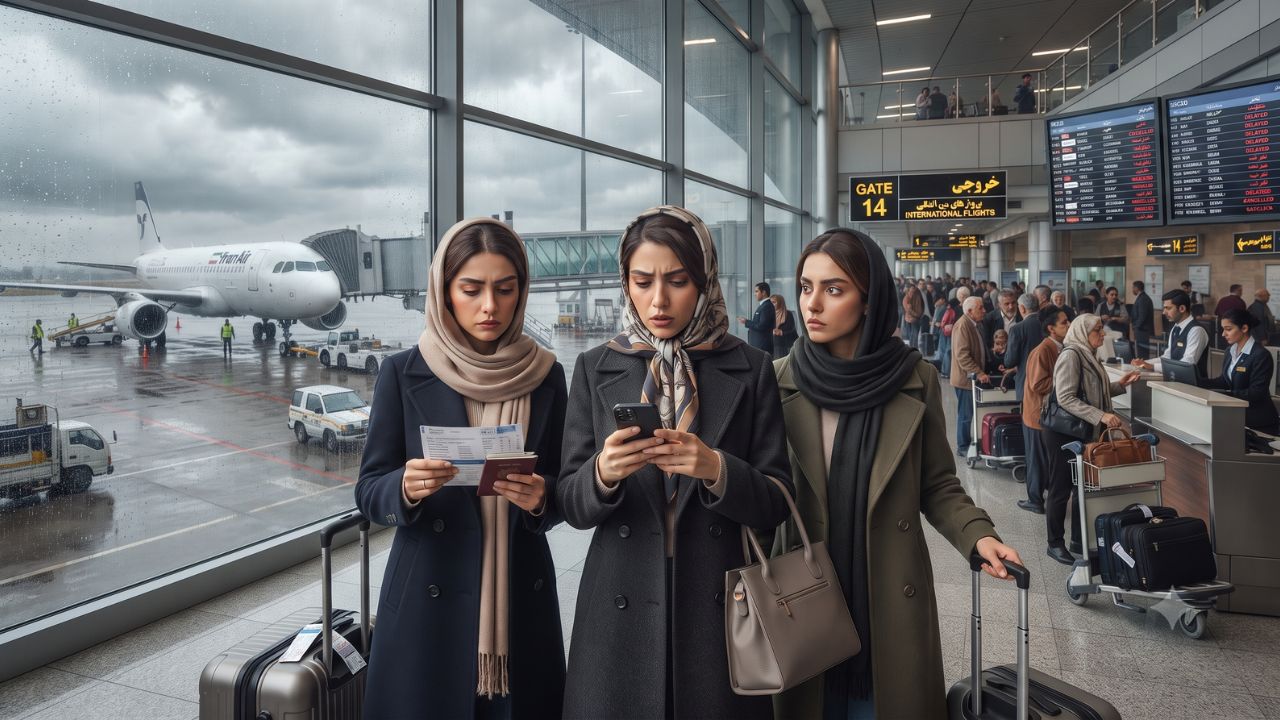
Faith-based travel between the spiritual centers of Mashhad, Qom, Najaf, Karbala, and Damascus mobilizes hundreds of thousands of pilgrims annually, forming one of the most culturally significant and logistically dense passenger networks in Western Asia. Following abrupt schedule contractions and bilateral air service disputes, diplomatic representatives and civil aviation authorities in Tehran have initiated urgent consultations with regional counterparts to restore scheduled civilian flights and insulate essential humanitarian, academic, and spiritual transit from geopolitical friction.
The Strategic Imperative of Civilian Air Corridors in Western Asia
Civilian aviation across the Persian Gulf, Levant, and Iranian plateau serves as an indispensable bridge connecting transnational families, cross-border commercial merchants, university students, and medical travelers. When bilateral scheduled air links experience sudden reductions, the ripple effects instantly overwhelm overland border crossing stations and force travelers onto costly multi-stop third-country routings.
According to statements issued by the Iranian Ministry of Foreign Affairs, uninterrupted freedom of civilian movement represents a fundamental cornerstone of regional neighborhood policy. Working in tandem with the Civil Aviation Organization, technical teams are negotiating harmonized air navigation fees, reciprocal airport slot allocations, and coordinated safety protocols to resume scheduled mainline and charter rotations across major regional capitals.
The disruption touches four primary demographic categories, each requiring specialized logistical solutions:
- Faith-Based Pilgrims: Families and organized tour groups traveling between Holy Mashhad (home to the historic Imam Reza Shrine complex), Qom, and the shrine cities of Iraq and Syria.
- Medical Tourism Patients: Regional citizens journeying to Shiraz, Tehran, and Mashhad for specialized clinical procedures, including oncology treatments, ophthalmology surgeries, and organ transplants.
- Tertiary Students and Academics: Thousands of international scholars enrolled in engineering, medicine, and humanities programs across metropolitan campuses.
- Small and Medium Enterprise Traders: Merchants and agricultural exporters dependent on regular same-day flights and belly-hold cargo space to move high-value, perishable goods between industrial free zones.
Cultural Heritage and Sacred Geography
The travel routes spanning this region trace ancient caravan and trade corridors recognized globally for their architectural and historic importance by the UNESCO World Heritage Centre:
- Mashhad and Khorasan: Anchored by the vast Imam Reza Shrine complex, Mashhad functions as Iran's spiritual capital, welcoming millions of visitors each year who support extensive hospitality and artisan bazaars.
- Shiraz and Southern Fars: Renowned as a premier center for advanced medical care, Shiraz equally draws cultural travelers to the nearby ancient ruins of Persepolis, the historic Eram Garden (Bagh-e Eram), and the poet shrines of Hafez and Saadi, promoted through the Ministry of Cultural Heritage, Tourism and Handicrafts.
- Qom and Central Plateau: Serving as a center for Islamic theology and scholarship, Qom hosts international seminaries and the revered Shrine of Fatima Masumeh.
Regional Corridor Breakdown and Operational Mitigation Strategies
| Passenger Demographic | Core Route Trajectory | Primary Travel Vulnerability | Operational Mitigation Strategy |
|---|---|---|---|
| Religious Pilgrims | Tehran/Mashhad to Najaf & Baghdad | Border post congestion & long transit | Temporary charter slots & express overland rail |
| Medical Patients | Regional capitals to Shiraz & Mashhad | Critical delays in clinical treatments | Priority humanitarian clearance on direct flights |
| University Students | Border frontiers to capital campuses | Missed exam schedules & visa deadlines | Academic term extensions & digital coursework |
| Cross-Border Traders | Industrial hubs to trade free zones | Perishable cargo loss & supply delays | Maritime freight corridors & digital customs |
| Diplomatic Corridors | Tehran to Gulf & Levant capitals | Broken bilateral transit frameworks | Direct bilateral civil aviation accords |
Visitor Insider Tips
- Navigating Overland Border Crossings During Air Reductions: If scheduled flights between Iran and Iraq face delays, avoid crowded southern road checkpoints at Shalamcheh or Mehran during peak religious holidays. Seasoned travelers utilize scheduled international express sleeper train connections operating between Tehran and Ahvaz before arranging pre-cleared private vehicle transfers.
- Accessing Medical Facilities in Shiraz: International medical travelers arriving in Shiraz should coordinate directly with the international patients department (IPD) of accredited medical centers such as Namazi Hospital or Ordibehesht Hospital before departure. These departments can issue certified medical visa invitation letters to expedite border processing.
- Etiquette for Visiting Holy Shrines: When entering major religious complexes in Mashhad, Qom, or Shiraz (such as Shah Cheragh), women must wear a traditional full-length chador, which is provided complimentary at designated tourist and pilgrim entry gates. Photography with professional DSLR equipment requires advance registry; smartphone cameras are generally permitted in outer courtyards.
- Managing Currency and Local Payments: Due to international banking sanctions, foreign credit and debit cards do not function in Iran. International travelers must carry physical foreign currency (such as Euros, US Dollars, or UAE Dirhams) to exchange at official Sarrafi exchange offices, or purchase a pre-loaded tourist debit card (such as MahCard or DaricPay) at airport terminals upon arrival.
Cultural and Environmental Context
Religious pilgrimage and medical travel form the economic lifeblood of secondary cities across the region, sustaining thousands of family-owned hotels, traditional dining halls, transport cooperatives, and handicraft bazaars. When air transport freezes, the economic shock lands directly on working-class service employees whose livelihoods depend on steady visitor flows.
Simultaneously, environmental pressures across the Iranian plateau—including severe desertification and seasonal dust storms (haboobs)—underscore the need for resilient, low-emission transport networks. Upgrading regional railway corridors linking Tehran, Isfahan, and Shiraz offers an energy-efficient alternative to long-haul desert highway driving while cutting carbon emissions across sensitive arid ecosystems.
FAQ: Regional Air Travel and Transit Across Western Asia in 2026
What caused the recent air route restrictions across the region?
Administrative disputes between national civil aviation authorities combined with shifting regional security protocols led to temporary suspensions of scheduled reciprocal flights.
How are medical tourism patients managing travel delays?
Accredited medical institutions in Shiraz and Tehran are working with diplomatic authorities to secure expedited medical entry permits and priority charter flight access for urgent surgical cases.
What are the main pilgrimage destinations connected by these air routes?
The primary spiritual hubs include Mashhad, Qom, Najaf, Karbala, and Damascus, which host millions of faith-based travelers annually.
Can travelers use foreign credit cards when visiting Iran?
No. Foreign banking cards do not operate on local payment networks; travelers must bring cash in major foreign currencies or obtain a dedicated local tourist debit card upon arrival.
Restoring open, predictable civil aviation corridors remains essential for safeguarding cultural heritage, medical access, and peaceful human connectivity across Western Asia.
Related Travel Guides
Disclaimer
This article is for informational and educational purposes only. It does not constitute legal, financial, or professional advice. While we strive to provide accurate and up-to-date information, travel policies, regulations, and conditions change rapidly. Always verify information with official sources before making travel decisions. Nomad Lawyer makes no representations about the accuracy, reliability, completeness, or suitability of the information provided. Readers should consult qualified professionals for advice specific to their circumstances. The views expressed in this article are those of the author and do not necessarily reflect the views of Nomad Lawyer.
Raushan Kumar
Founder & Lead Developer
Full-stack developer with 11+ years of experience and a passionate traveller. Raushan built Nomad Lawyer from the ground up with a vision to create the best travel and law experience on the web.
Learn more about our team →