
Iran Fuel Crisis Slashes Flights Across Middle East in April 2026
Airlines worldwide are slashing flights and hiking fares as Iran's closure of the Strait of Hormuz chokes off global jet fuel supplies. The iran fuel crisis is reshaping aviation schedules through mid-2026.

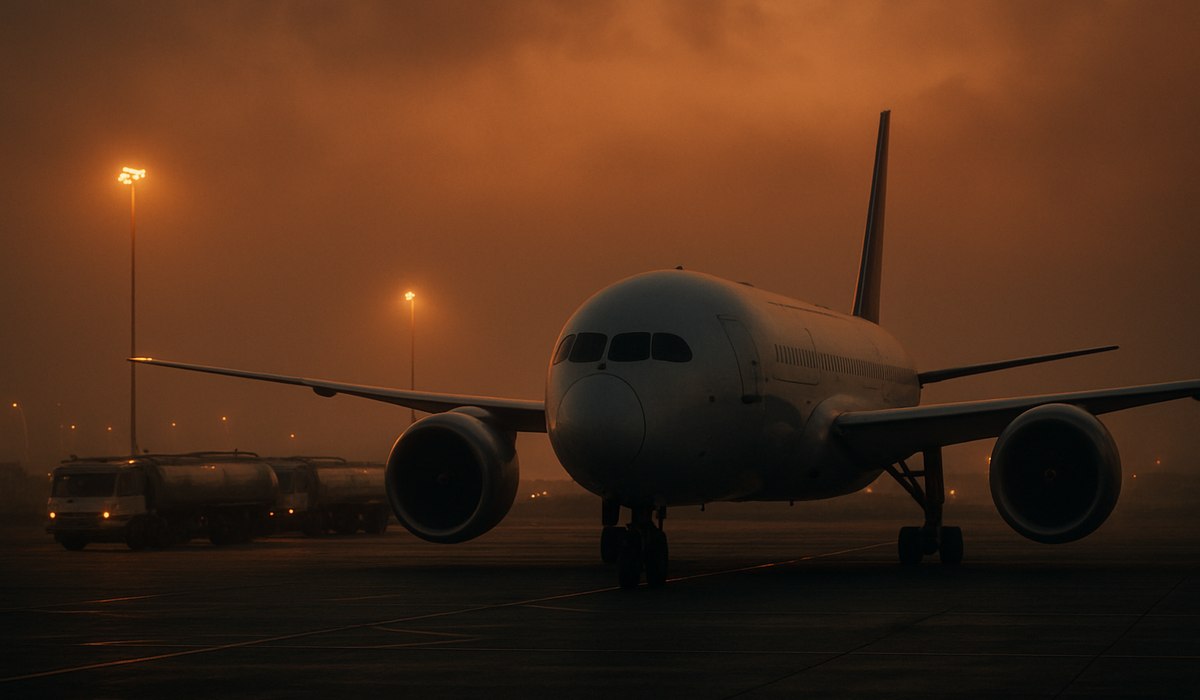
Image generated by AI
Geopolitical Tensions Trigger Global Aviation Fuel Emergency
The iran fuel crisis is accelerating flight cancellations and fare increases worldwide. As militarization of the Strait of Hormuz restricts seaborne fuel deliveries, carriers are parking widebody aircraft, rerouting transpacific routes, and hiking ticket prices across Europe, Asia, and the Middle East. Bahrain International Airport, traditionally a major Gulf hub, faces intermittent airspace closures and fuel supply uncertainties that threaten its role as a regional connectivity center. More than 14,000 flights originating from or transiting the Middle East have been cancelled since late February 2026, with additional services operating on lengthened routes that compound jet fuel consumption.
Strait of Hormuz Militarization Drives Jet Fuel Spike
Iran's effective closure of the Strait of Hormuz has strangled one of the world's most critical maritime fuel corridors. Tanker movement data shows commercial vessels are increasingly avoiding the waterway, creating a significant bottleneck in global jet fuel distribution. Energy analysts report that this conduit normally carries a substantial portion of international aviation fuel; current blockade conditions have reduced throughput well below historical norms.
Market commentary from aviation and energy specialists confirms that jet fuel prices have surged sharply in Asia, Europe, and parts of Africa. Airlines dependent on spot market purchases—rather than long-term hedging contracts—face acute cost pressures. The International Air Transport Association has warned that thin fuel inventories at many airports, typically covering only days of demand, leave carriers vulnerable to sudden supply shocks. Current refinery constraints and limited strategic stockpiles mean the jet fuel shortage could persist through summer 2026.
Airlines relying on Mediterranean and North Sea supplies are experiencing relative advantage, while carriers based in Asia-Pacific regions face premium pricing. Refiners in the Gulf have reduced output capacity due to security concerns, further tightening global supply. Senior industry executives have publicly stated this represents the most serious fuel crisis since the pandemic era.
Global Airspace Closures Reshape Flight Routes
Airspace restrictions over Iran, Iraq, Kuwait, Syria, and portions of the Gulf have forced airlines to abandon traditional flight corridors linking Europe, Asia, and Oceania. Aviation tracking services like FlightAware document thousands of diversions as carriers navigate around conflict zones. Lengthened routings add 2-4 hours to transpacific and Europe-Asia routes, directly increasing jet fuel burn and operating costs.
European and Asian network carriers have begun shifting capacity northward and southward around the Gulf region. Several major Middle Eastern airlines report operating on contingency schedules with reduced hub frequencies. Flight route adjustments are expected to remain in effect through at least Q3 2026, pending military de-escalation or corridor reopening.
Bahrain and Gulf Hubs Face Supply Disruptions
Bahrain International Airport has emerged as a critical vulnerability point in the Middle East aviation network. Recent military activity near Muharraq, where major fuel storage facilities operate, has raised concerns about depot resilience. Open-source reporting indicates that strikes on fuel infrastructure triggered significant fires, prompting immediate review of alternative supply routes into the kingdom.
Risk consultancies have downgraded Bahrain's hub reliability rating to "degraded" due to airspace volatility, security measures, and potential fuel logistics constraints. Several airlines have preemptively relocated aircraft to neighboring Saudi airports as a contingency measure. Those continuing Bahrain operations are sourcing tanker fuel from alternative locations, increasing operational complexity and costs.
Government travel advisories now flag Bahrain alongside other Gulf states as destinations where flight schedules may change with minimal advance notice. Passengers connecting through the kingdom should allow extended layover windows and maintain flexibility in travel plans.
Airlines Cut Capacity Amid Fuel Cost Shock
Major European flag carriers have begun parking widebody jets and trimming intercontinental frequencies. Senior executives openly discuss capacity reductions if elevated jet fuel prices persist through northern summer peak season. Routes where higher fares cannot fully offset fuel surcharges and detour times face the greatest risk of schedule cuts.
Cargo-focused carriers are reassessing regional schedules, as fuel cost inflation directly impacts freight margins. Some airlines have implemented temporary aircraft swaps, deploying narrowbody fleets on routes traditionally served by widebody jets to reduce fuel consumption.
The FAA and regional aviation authorities continue monitoring flight operations and issuing updated operational guidance. Airlines must verify current fuel availability before scheduling flights through affected regions.
Key Data: Iran Fuel Crisis Impact Summary
| Metric | Status | Impact |
|---|---|---|
| Strait of Hormuz Throughput | 40-50% capacity | Global jet fuel shortage |
| Flights Cancelled (Mid-Feb to Early Apr 2026) | 14,000+ services | Passenger disruptions across 3 continents |
| Jet Fuel Price Increase | +35-50% regional premium | Fare hikes, schedule cuts |
| Bahrain Hub Operational Status | Degraded/Contingency | Reduced connectivity, extended layovers |
| Airspace Closure Zone | Iran, Iraq, Syria, Kuwait portions | Route additions of 2-4 hours per flight |
| Expected Crisis Duration | Q2-Q3 2026 | Contingency planning through summer |
| Airlines Affected | European, Asian, Gulf-based carriers | Widebody parking, narrowbody redeployment |
What This Means for Travelers: Action Checklist
The iran fuel crisis creates immediate challenges for spring and summer 2026 travel. Passengers should take these steps:
-
Check your airline's schedule status: Visit your carrier's website or contact their customer service desk daily. Flight times and frequencies may shift with 24-48 hours' notice.
-
Allow extra connection time: If routing through Bahrain, Dubai, or other Gulf hubs, add 3-4 extra hours to layover windows. Airspace volatility may trigger sudden diversions.
-
Review ticket flexibility: Book refundable fares or purchase travel insurance that covers airline schedule changes. Fuel surcharges may increase ticket prices by 10-20% during this crisis.
-
Monitor government travel advisories: Check your country's foreign affairs ministry for updated guidance on Gulf region travel. Airspace restrictions may expand.
-
Track real-time flight status: Use FlightAware or your airline's app to monitor gates, delays, and diversions. Detours are common.
-
Verify fuel surcharges: Ask your airline what fuel surcharge applies to your booking. Some carriers may apply retroactive charges if prices spike further.
-
Contact the U.S. DOT if cancelled: For U.S.-origin flights, submit complaints to the U.S. Department of Transportation if your airline fails to rebook or provide compensation per DOT rules.
-
Avoid peak summer travel: If possible, shift bookings to September or October 2026 when the crisis may ease. Prices are likely to remain elevated through August.
Frequently Asked Questions
Q: Will my transatlantic flight be cancelled due to the iran fuel crisis?
A: Most transatlantic carriers maintain scheduled service, though with higher fares and possible minor delays. European airlines operating through Mediterranean and North Sea fuel supplies face less disruption than Asia-Europe carriers. Check your specific airline's schedule daily and maintain flexible rebooking terms.
Q: Is Bahrain International Airport still operating?
A: Bahrain Airport continues reduced-capacity operations. Flight schedules may change with short notice due to airspace volatility and fuel logistics. Allow 3-4 extra hours for connections and confirm your flight
Disclaimer
This article is for informational and educational purposes only. It does not constitute legal, financial, or professional advice. While we strive to provide accurate and up-to-date information, travel policies, regulations, and conditions change rapidly. Always verify information with official sources before making travel decisions. Nomad Lawyer makes no representations about the accuracy, reliability, completeness, or suitability of the information provided. Readers should consult qualified professionals for advice specific to their circumstances. The views expressed in this article are those of the author and do not necessarily reflect the views of Nomad Lawyer.
Preeti Gunjan
Contributor & Community Manager
A passionate traveller and community builder. Preeti helps grow the Nomad Lawyer community, fostering engagement and bringing the reader experience to life.
Learn more about our team →