
Iran Conflict Forces Major Airline Reroutes Affecting Australia, India, and Global Routes
Escalating Iran conflict triggers widespread airspace closures, forcing airlines to reroute long-haul flights in 2026. Australian, Indian, and international carriers face hours of delays, rising costs, and reduced connectivity across Asia-Europe corridors.

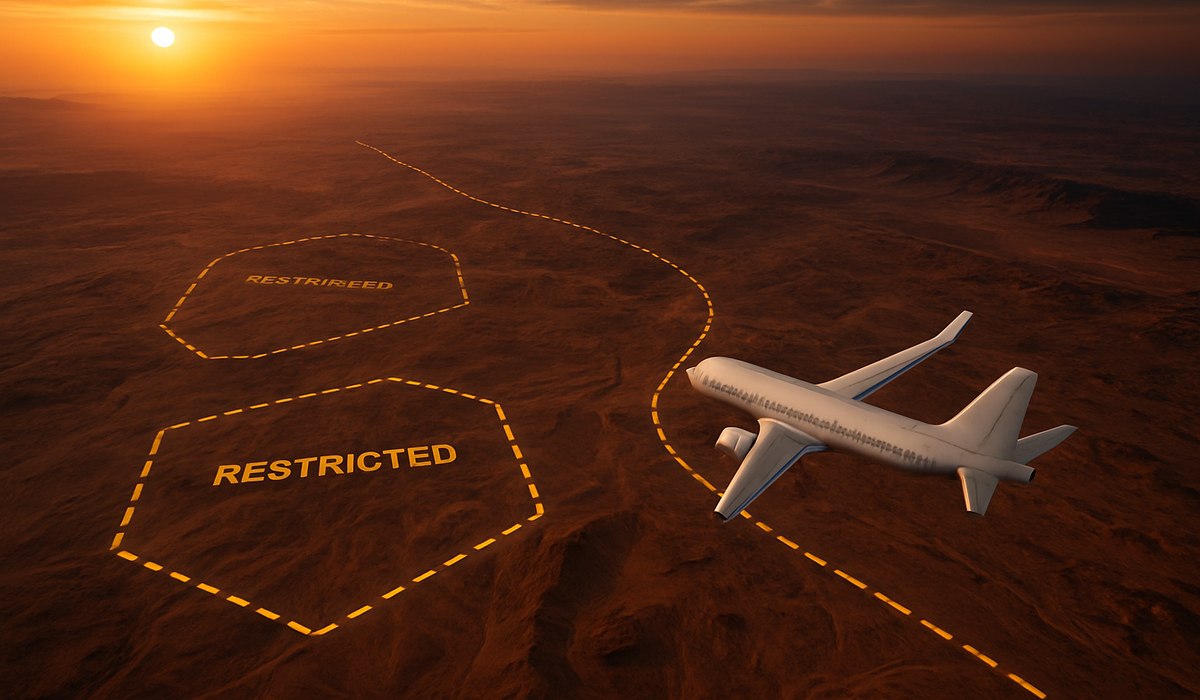
Image generated by AI
Breaking: Iran Conflict Forces Major Airline Reroutes Across Asia-Europe Routes
Escalating military tensions centered on Iran are triggering unprecedented airspace closures and flight diversions, forcing airlines from Australia, India, Canada, and the Middle East to completely redraw their long-haul operations. The ongoing crisis has created a patchwork of restricted airspace stretching across West Asia, leaving carriers scrambling to find viable routes between Europe, Asia, and the Pacific. Passengers worldwide are experiencing extended flight times, canceled services, and higher ticket prices as the aviation industry absorbs mounting operational costs.
Australia's Airlines Face Major Rerouting Pressure
Qantas has announced immediate route changes affecting its most profitable European services. The flagship Sydney-to-Paris route, traditionally operated as a nonstop transcontinental flight, will be rerouted through Singapore beginning April 20, 2026, lasting until at least July 26. This diversion adds approximately two hours each way to journey duration, fundamentally disrupting tight European connection windows for Australian travelers.
The airline's decision reflects broader industry realities: traditional Gulf hub shortcuts are no longer viable. Industry analysts note that Australian carriers face particular exposure because Europe-Australia traffic historically depended on Middle Eastern stopover points. With those hubs now subject to intermittent closures and enhanced security protocols, carriers must absorb substantial fuel surcharges, extended crew duty times, and reconfigured aircraft rotations.
Regional aviation data shows Australian airline stocks have declined as operating margins compress. For passengers, the immediate impacts include longer journeys, modified connection patterns, and fragile schedules that require additional buffer time. Travel planners recommend allowing extra connection time and monitoring airline booking updates continuously during this period.
Global Airspace Closures Create Narrow Corridors for Connectivity
The Iran conflict forces a dramatic reshaping of global flight paths. Aviation authorities report that restricted airspace now extends from Iran and Yemen through contested regions over Iraq, creating a continuous no-fly zone that eliminates traditional Central Asian shortcuts. This geographical constraint forces carriers to choose between northerly routes via Caucasus regions or southerly diversions over the Arabian Sea and East Africa.
India's aviation sector faces particularly acute disruption. Over 10,000 flights between India and West Asia have been canceled since late February as carriers suspend services or reroute around the crisis zone. Combined with ongoing Pakistani airspace restrictions against Indian carriers, Indian airlines operate with severely limited routing options. Flights to Gulf destinations now require northern or southern hemisphere detours, extending flight times by 4-6 hours on some city pairs.
Turkish and Canadian carriers experience secondary effects through their connector roles. Turkish airlines reroute flights that traditionally transited Iranian or Iraqi airspace, while Canadian transatlantic and transpacific operators face longer great-circle deviations when linking Europe or South Asia with North America. For regional operators in Oman, service suspensions have been widespread, with Oman Air canceling multiple services throughout March.
Cost Pressures and Insurance Impact on Passengers
The operational mathematics of rerouting have direct implications for passenger fares. Airlines must carry substantially more fuel when avoiding the Central corridor—typically 15-20% additional fuel burn on affected routes. Extended flight times trigger additional crew duty costs, while higher insurance premiums reflect elevated operational risk in nearby regions.
These expenses are beginning to filter through to ticket prices. Industry estimates suggest long-haul fares on Australia-Europe, India-Europe, and North America-Asia routes have increased 8-15% since escalations began. Business travel budgets face particular pressure as connection times extend and ground time increases unpredictably.
Passengers should expect their travel insurance premiums to reflect higher risk classifications for routes approaching the conflict region. Travel insurance providers are carefully reviewing coverage terms for Middle Eastern transit or stopover points. Corporate travel managers report higher complexity in route approval processes as they navigate new risk assessments and cost allocations.
Long-term Implications for Asia-Europe Connectivity
Aviation consultancies tracking the crisis predict that disrupted routing patterns could persist through 2026 and potentially beyond. The traditional efficiency of Gulf hub connectivity—which saved airlines millions annually across the Asia-Europe market—has been fundamentally compromised. This structural change may accelerate investments in alternative hubs like Istanbul, Delhi, and Southeast Asian airports that can absorb rerouted traffic.
Airlines are evaluating permanent route restructuring rather than temporary diversions. Some carriers may establish new long-haul partnerships or codeshare arrangements through alternative hubs. The crisis could accelerate shift trends toward direct routes and non-stop services that bypass hub-dependent models entirely.
Fuel hedging strategies and aircraft lease patterns are adjusting to reflect the new operational reality. Carriers with flexible fleet deployment may transition larger aircraft to rerouted services, while others may reduce frequency on certain city pairs. For travelers, this suggests lasting changes to available flights and pricing structures on Asia-Europe routes throughout 2026.
Key Data: Quantifying the Iran Conflict Impact on Aviation
| Metric | Details | Impact |
|---|---|---|
| Qantas Route Change | Sydney-Paris reroute via Singapore (April 20-July 26, 2026) | +2 hours each direction |
| India-West Asia Cancellations | Over 10,000 flights since late February 2026 | Service suspension to Gulf destinations |
| Airspace Restrictions | Iran, Iraq, Yemen regions plus Russia-Ukraine exclusions | Limited narrow corridors remain viable |
| Fuel Consumption Increase | Typical diversion routes | +15-20% additional fuel burn |
| Estimated Fare Increases | Australia-Europe, India-Europe, North America-Asia routes | +8-15% compared to pre-crisis levels |
| Affected Airline Markets | Qantas, Oman Air, Indian carriers, Turkish airlines, Canadian operators | Global carrier exposure across six continents |
| Flight Time Additions | India-West Asia and Asia-Europe reroutes | +4-6 hours on some city pairs |
| Aircraft Insurance Impact | Risk premiums for routes near conflict regions | Elevated coverage costs passed to passengers |
What This Means for Travelers
The Iran conflict forces immediate, actionable changes to how you plan international journeys through 2026:
-
Book Longer Connection Times: Add minimum 3-hour buffers on international connections that would previously connect in 2 hours. Rerouted flights operate on tighter margins with less schedule redundancy.
-
Expect Fare Increases: Budget 10-15% additional costs for long-haul Asia-Europe and Australia-Europe tickets. Price increases reflect genuine operational expenses, not opportunistic pricing.
-
Monitor Booking Updates Actively: Airlines are making real-time changes to routing and schedules. Check your booking weekly during the April-July 2026 period, particularly for Qantas and Asian carrier services.
-
Review Travel Insurance Coverage: Standard policies may exclude regions near conflict zones. Specifically confirm that your coverage includes rerouted flights and extended journey times.
-
Prepare for Schedule Fragility: Connections may be modified with short notice. Maintain flexibility in your travel dates where possible, and avoid same-day domestic-international connections if traveling to Europe from Australia or India.
-
Investigate Alternative Hubs: If you have routing flexibility, consider connections through Istanbul, Doha, or Southeast Asian hubs rather than traditional Gulf airports, which face intermittent disruptions.
-
Corporate Travel Coordination: Contact your travel management company about route approvals for any business travel to Europe or West Asia, as corporate risk policies are being actively updated.
Frequently Asked Questions
Q: Will Qantas's Sydney-Paris route continue operating permanently through Singapore?
A: Qantas has announced the reroute through July 26
Disclaimer
This article is for informational and educational purposes only. It does not constitute legal, financial, or professional advice. While we strive to provide accurate and up-to-date information, travel policies, regulations, and conditions change rapidly. Always verify information with official sources before making travel decisions. Nomad Lawyer makes no representations about the accuracy, reliability, completeness, or suitability of the information provided. Readers should consult qualified professionals for advice specific to their circumstances. The views expressed in this article are those of the author and do not necessarily reflect the views of Nomad Lawyer.
Preeti Gunjan
Contributor & Community Manager
A passionate traveller and community builder. Preeti helps grow the Nomad Lawyer community, fostering engagement and bringing the reader experience to life.
Learn more about our team →