
Inuit Cancellations Strand Passengers Across Remote Nunavik Communities
Four Air Inuit flights serving Quebec's far north have been cancelled, stranding passengers in remote Nunavik communities. The disruptions cut vital weekly air links for residents dependent on sparse Arctic aviation infrastructure in 2026.

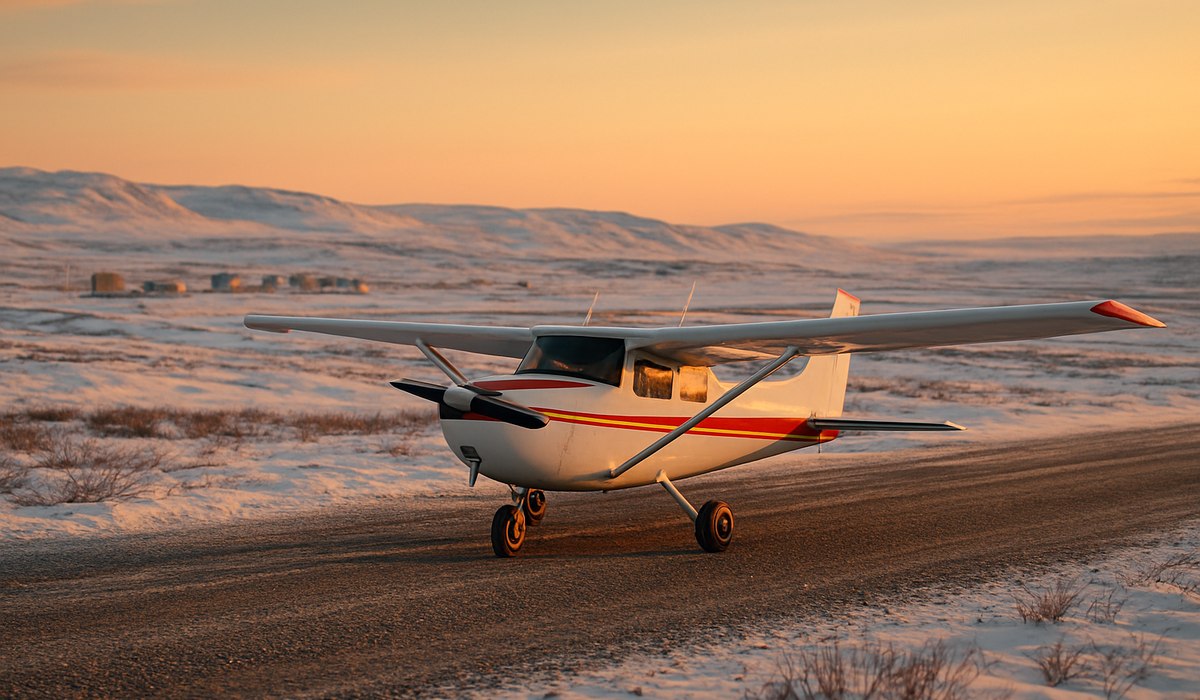
Image generated by AI
Four Air Inuit Flight Cancellations Cut Off Remote Quebec Communities
Air Inuit has cancelled four regional flights serving Ivujivik, Akulivik, and Salluit, leaving dozens of passengers stranded across Nunavik's most isolated settlements. These cancellations represent a significant portion of weekly air capacity for communities with no road access to southern Quebec. The disruptions occurred in mid-April 2026, affecting residents relying on sparse Arctic aviation schedules for medical appointments, work rotations, and essential supply chains. Unlike major southern airports, these Nunavik communities operate small gravel runways with minimal ground infrastructure, creating cascading delays when inuit cancellations strand passengers without alternative transportation options.
Remote Communities Feel the Impact of Sudden Cancellations
The stranded passengers at Ivujivik Airport face an uncertain timeline for rebooking on flights that typically operate only a few times weekly. This northernmost Quebec village depends entirely on Air Inuit for external connectivity. When multiple legs vanish from the schedule simultaneously, residents lose access to essential services for days or longer.
Limited shelter, food services, and ground transportation at Ivujivik, Akulivik, and Salluit compounds the hardship for affected travelers. Passengers missing connections to medical centers in Kuujjuaq or Montreal face unplanned overnight stays with virtually no local accommodations. Workers on rotation schedules experience missed employment windows, while families attending funerals or urgent appointments find their plans derailed completely. The inuit cancellations strand scenario demonstrates how Arctic aviation fragility directly impacts human welfare in communities where flying is the sole transportation link to the outside world.
Weather, Infrastructure, and Operational Constraints Converge
Arctic conditions create persistent challenges for Nunavik's aviation network. Strong winds, blowing snow, and poor visibility frequently force schedule disruptions at coastal gravel airstrips like Ivujivik and Salluit. These facilities lack the advanced navigation systems and hardened infrastructure of southern airports.
Air Inuit operates with tight fleet utilization, meaning one disruption cascades across multiple scheduled legs throughout a duty day. Runway maintenance programs at regional airports add pressure by forcing seasonal routing changes when spare capacity already runs thin. Provincial and regional authorities manage many Nunavik airport facilities rather than the airline, complicating rapid problem resolution. When runway conditions deteriorate or equipment fails, carriers often have limited options beyond cancellations. This structural reality makes inuit cancellations strand incidents inevitable during challenging weather windows or maintenance cycles, particularly when crews approach duty-time limits requiring rest periods.
Limited Infrastructure Compounds Travel Disruption
Nunavik's aviation ecosystem operates under constraints unknown to southern travelers. The region lacks road access, marine alternatives, or commercial bus services for year-round passenger movement. Every Air Inuit flight represents a critical lifeline for essential travel.
Ivujivik Airport's gravel surface requires ongoing maintenance and limits aircraft weight limits compared to paved runways. Terminal facilities offer bare-minimum amenities—no hotels, limited food options, and minimal commercial services. When inuit cancellations strand passengers overnight, communities struggle to accommodate unexpected visitors. Local organizations have documented how this infrastructure gap transforms minor schedule disruptions into major social crises. Residents returning from specialized medical treatment, students commuting to schools, and workers on rotational schedules become stranded without alternatives. The absence of backup transportation means a single day's cancellations can create week-long impacts on community operations.
Cascading Effects on Medical, Work, and Supply Routes
The April 2026 cancellations threaten more than passenger convenience—they disrupt critical services throughout Nunavik. Residents with scheduled medical appointments in larger centers now face postponements and delayed care. Elders requiring specialized treatment in Montreal or Quebec City see appointments slip indefinitely when inuit cancellations strand patients for days.
Work rotation schedules collapse when employees cannot reach mining operations, government postings, or construction projects in southern regions. Families miss funerals and community gatherings when flights do not operate. Supply chains suffer when cargo flights intermingle with passenger services on shared schedules. Food deliveries, construction materials, and medical supplies accumulate at warehouses while communities wait for the next available aircraft. Air Inuit's fare assistance programs for eligible Nunavik beneficiaries offer no relief to stranded passengers who must absorb hotel and meal costs during unexpected layovers. These compounding effects demonstrate why aviation reliability represents a fundamental human rights issue for Arctic communities, not merely a travel inconvenience.
What Happens When Arctic Air Networks Fail
Remote aviation networks in the Arctic operate under extreme fragility. Unlike southern regions with backup airlines and alternative ground transportation, Nunavik depends almost exclusively on Air Inuit. When service interruptions occur, no fallback options exist.
The current inuit cancellations strand incident illustrates infrastructure vulnerabilities that persist despite decades of northern aviation experience. Scheduled flights operate only a few times weekly on most routes, meaning lost capacity translates directly into multi-day access gaps. Passengers cannot simply wait for the next flight or book competitors—they wait for Air Inuit's next available seat on routes where demand consistently exceeds supply. This monopoly situation, while economically justified by low passenger volumes and harsh operating costs, leaves communities entirely dependent on airline operational stability. Check FlightAware for real-time status updates on Air Inuit regional flights, though schedule data often lags several hours behind actual cancellations. The broader lesson: Arctic communities operate within a fragile transport ecology where single-airline dependency creates catastrophic consequences from routine operational disruptions.
Key Data Table: Air Inuit Cancellation Impact Summary
| Metric | Details |
|---|---|
| Cancelled Flights | 4 Air Inuit regional services (April 2026) |
| Communities Affected | Ivujivik, Akulivik, Salluit (Nunavik, Quebec) |
| Weekly Flight Frequency | 2-4 flights per community per week |
| Cancellation Impact | 25-50% capacity loss on affected routes |
| Airport Type | Unmaintained gravel runways, minimal terminals |
| Ground Services | No hotels, limited food/water, no rental cars |
| Passenger Types Stranded | Medical patients, workers, students, families |
| Alternative Transport | None (no roads, no marine service, no alternatives) |
| Airline Monopoly | Air Inuit provides 90%+ of Nunavik passenger service |
| Typical Resolution Time | 1-7 days depending on weather/maintenance |
Traveler Action Checklist for Arctic Route Disruptions
If you're booked on Air Inuit flights to or from Nunavik, follow these steps immediately:
-
Check your booking status via Air Inuit's website or contact their reservations team directly—cancellations may not update immediately on booking confirmation emails.
-
Verify weather and NOTAMs by visiting FlightAware and searching your specific route (e.g., Ivujivik-Kuujjuaq) for real-time operational data.
-
Contact Air Inuit customer service before airports close for the day; rebooking becomes exponentially harder after business hours in remote regions.
-
Explore reboking options to Montreal via Kuujjuaq or Puvirnituq as alternative routing, even if it extends your travel by 12-24 hours.
-
Arrange lodging immediately if stranded overnight; Nunavik communities have virtually no hotel capacity, and private home stays fill within hours during disruptions.
-
Document all expenses incurred due to cancell
Disclaimer
This article is for informational and educational purposes only. It does not constitute legal, financial, or professional advice. While we strive to provide accurate and up-to-date information, travel policies, regulations, and conditions change rapidly. Always verify information with official sources before making travel decisions. Nomad Lawyer makes no representations about the accuracy, reliability, completeness, or suitability of the information provided. Readers should consult qualified professionals for advice specific to their circumstances. The views expressed in this article are those of the author and do not necessarily reflect the views of Nomad Lawyer.
Kunal K Choudhary
Co-Founder & Contributor
A passionate traveller and tech enthusiast. Kunal contributes to the vision and growth of Nomad Lawyer, bringing fresh perspectives and driving the community forward.
Learn more about our team →