
IndiGo Suspends Six Southeast Asia Routes Through September 2026: Hong Kong, Bangkok, Shanghai Grounded Amid Cost Crisis
IndiGo temporarily halts flights to Hong Kong, Krabi, Langkawi, Ho Chi Minh, Shanghai, and Siem Reap from July 1 through September 30, citing rising fuel costs and weak summer demand. Services resume October 1.

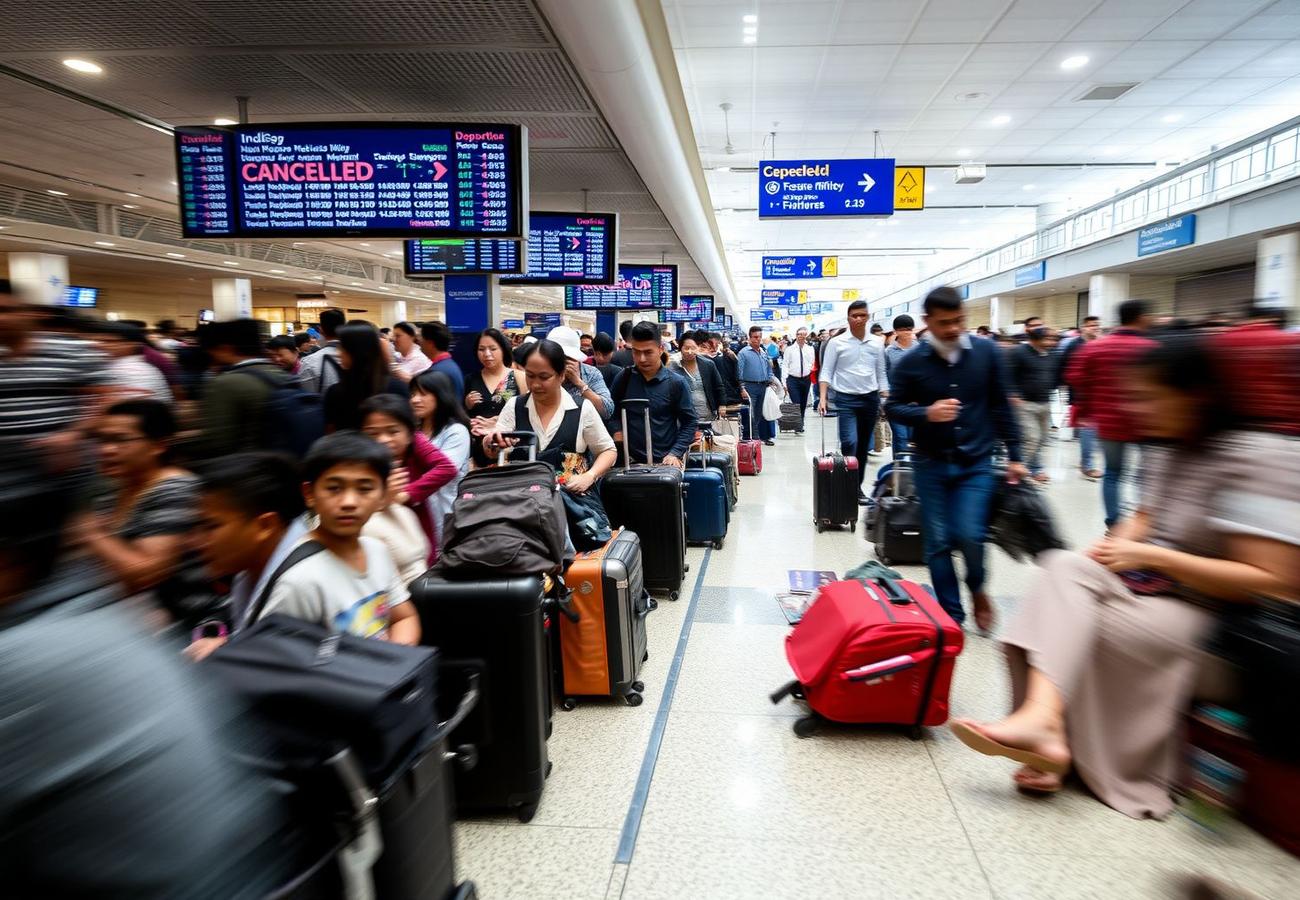
Image generated by AI
IndiGo's Strategic Retreat: Six Routes Going Dark This Summer
IndiGo, India's largest airline by fleet size, has announced the temporary suspension of flights to six strategic Southeast Asian and Chinese destinations starting July 1, 2026. The affected routes include Hong Kong, Krabi, Langkawi, Ho Chi Minh City, Shanghai, and Siem Reap, with the latter route suspending operations from July 3. All services are scheduled to resume from October 1, marking a three-month operational pause during the traditionally slower summer travel season.
The airline's decision reflects a harsh reality facing global carriers: the combination of elevated fuel prices, airport infrastructure costs, and weak seasonal demand has become unsustainable for even India's most aggressive expansion-focused carrier.
The Perfect Storm: Rising Costs Meet Declining Demand
What's driving this unprecedented pullback? Two converging pressures have squeezed IndiGo's margins to the breaking point.
First, operational expenses continue climbing. Jet fuel prices remain volatile, airport fees across major hubs have increased, and airspace restriction charges add complexity to every international flight. According to industry analysis on aviation cost structures, budget carriers operating on thin margins face particular vulnerability when multiple cost factors simultaneously spike.
Second, the July-to-September window represents India's monsoon season and a global summer lull for international leisure travel. Business travel to Southeast Asian hubs traditionally weakens during this period, while competing airlines also reduce capacity—but the difference is that many carriers can absorb short-term losses. IndiGo's growth-at-all-costs strategy has left less room for seasonal flexibility.
Reddit: "Just booked a July flight to Bangkok on IndiGo last week—now I'm scrambling to rebook. This is becoming a pattern with budget airlines." — r/IndianTravel
Which Routes Disappear, and Why They Matter
The six suspended destinations represent some of IndiGo's most profitable international corridors:
Hong Kong and Shanghai serve as crucial business travel hubs connecting Indian entrepreneurs, IT professionals, and traders to Chinese markets. These routes typically sustain premium pricing, making their suspension particularly significant.
Krabi and Langkawi cater almost exclusively to leisure travelers seeking affordable Southeast Asian beach holidays—the first segment to evaporate when airlines tighten belts.
Ho Chi Minh City functions as a dual-purpose hub for commerce and tourism, while Siem Reap attracts cultural tourists visiting Angkor Wat temples.
Together, these six destinations likely represented 8-12% of IndiGo's international weekly departures during the pre-suspension period.
The Math Behind the Shutdown: 1,800 Flights Remain Operational
IndiGo continues operating over 1,800 international flights weekly across its remaining network. This detail matters because it frames the suspensions as surgical cuts rather than existential crisis management. The airline is preserving capacity on higher-demand routes—likely Middle Eastern hubs like Dubai and Abu Dhabi, as well as North American destinations where premium pricing offsets fuel costs.
By concentrating aircraft on proven, profitable routes during the weak demand season, IndiGo essentially performs seasonal triage. It's a playbook used frequently by budget carriers, though the scale here—suspending six major destinations simultaneously—signals unusual pressure.
Impact on Travelers: Who Gets Caught in the Middle
Passengers with existing bookings face immediate disruption. IndiGo has not publicly announced blanket rebooking policies or compensation structures, though EU regulations would require compensation for EU-originating flights. EU261 regulations on flight cancellations mandate compensation ranging from €250-€600 depending on flight distance.
For Indian travelers, the situation is more ambiguous. Domestic law provides fewer protections for airline-initiated cancellations, though the Scheduled Air Transport Rules, 2015 require airlines to provide alternative flights or refunds.
The real impact cascades through secondary markets: hotels in Krabi and Langkawi will see cancellations, tour operators in Bangkok face reduced Indian tourist traffic, and business centers in Hong Kong and Shanghai lose a convenient direct flight option from India's largest metropolitan area.
When Will Flights Resume? The October Wildcard
IndiGo has committed to reopening bookings from October 1, but crucially stated that services could resume earlier if market conditions improve. This flexibility suggests the airline is monitoring booking patterns closely and might restore routes as early as mid-September if demand indicators shift.
This early-resumption clause also hints at why IndiGo selected precisely three months for the suspension. October marks the end of Indian monsoon season, the beginning of the global travel peak season, and the return of business travel to Southeast Asian hubs. The airline is betting it can time the restart to maximum demand recovery.
What This Means for Indian Aviation's Competitive Landscape
IndiGo's pullback creates an opening for competitors. Air India Express, SpiceJet, and international carriers like Thai Airways can potentially capture route share during July-September. This temporary suspension inadvertently strengthens competing carriers' market position in these strategically important destinations.
For IndiGo, the cost of losing market share during three months likely outweighs the savings generated by grounding six aircraft on unused routes. That calculation suggests the airline expects rapid demand recovery and confident October resumption.
Seasonal Strategy or Structural Problem?
Budget airlines routinely suspend routes during weak seasons—this is standard practice. However, suspending six simultaneously, including major business hubs like Hong Kong and Shanghai, indicates IndiGo faces tighter margin constraints than previously disclosed.
The airline's fundamental challenge remains unchanged: sustain rapid growth while operating with the industry's lowest cost structure. Temporary suspensions buy breathing room, but they're tactical band-aids rather than strategic solutions.
IndiGo's summer route cuts reveal the brutal math facing even dominant carriers when fuel costs and seasonal weakness converge—three months of losses on six routes cost less than sustained unprofitable operations.
Related Travel Guides
- Breaking Airline News: Terrifying Mid-Air Disruption Forces United Airlines Flight UA1615 into Emergency Diversion, Sparking Severe Travel Chaos
- Breaking Airline News: Terrifying KLM Flight Cancellations Trigger Massive Amsterdam Schiphol Paralyzation and Severe Travel Chaos
- Spain Accelerates Bilbao Airport Expansion After Surpassing Seven Million Passengers with New International Routes and Airlines Mitigating Regional Airport Disruptions and Severe Travel Chaos: New Airline News and Aviation Updates
Disclaimer
This article is for informational and educational purposes only. It does not constitute legal, financial, or professional advice. While we strive to provide accurate and up-to-date information, travel policies, regulations, and conditions change rapidly. Always verify information with official sources before making travel decisions. Nomad Lawyer makes no representations about the accuracy, reliability, completeness, or suitability of the information provided. Readers should consult qualified professionals for advice specific to their circumstances. The views expressed in this article are those of the author and do not necessarily reflect the views of Nomad Lawyer.
Raushan Kumar
Founder & Lead Developer
Full-stack developer with 11+ years of experience and a passionate traveller. Raushan built Nomad Lawyer from the ground up with a vision to create the best travel and law experience on the web.
Learn more about our team →