
IndiGo Announces Significant Fuel Surcharge Increase on All Domestic and International Flights
India's largest carrier, IndiGo, has implemented a severe fuel surcharge increase across its entire domestic and international network in response to spiraling global jet fuel costs, directly impacting base passenger fares going into the summer 2026 travel season.

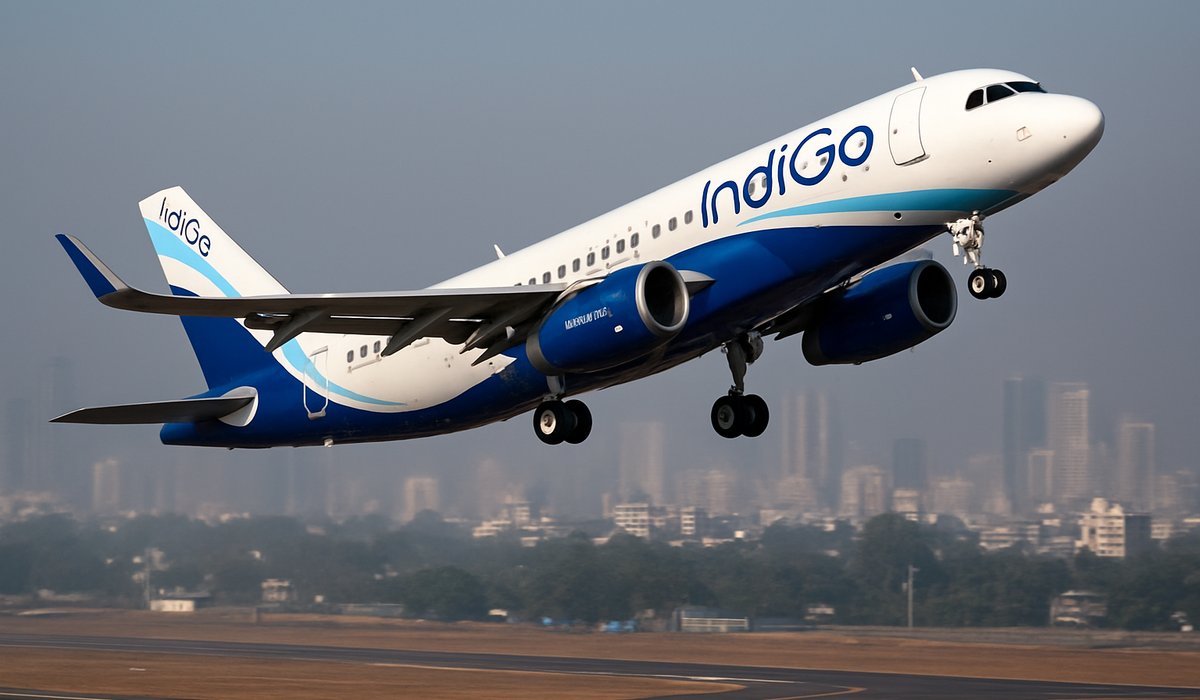
Image generated by AI
The Era of Cheap Indian Flights Faces a Massive Hurdle
In a move that will immediately ripple across the travel budgets of millions of Indian passengers, the country's dominant aviation giant, IndiGo, has officially announced the implementation of a significant fuel surcharge across its entire operational network. Effective immediately, the price hike applies unconditionally to both domestic sectors and short-haul international flights, drastically altering the base cost of travel as India pushes into its peak summer 2026 holiday season.
The massive low-cost carrier, which controls over 60% of the Indian domestic market, explicitly tied the decision to the spiraling cost of Aviation Turbine Fuel (ATF). With global oil markets destabilized by ongoing geopolitical conflicts in the Middle East and Eastern Europe, jet fuel prices have surged to unsustainable levels, forcing airlines to abandon competitive price-matching in favor of protecting razor-thin profit margins.
The Tiered Surcharge Structure
IndiGo’s surcharge is not a flat fee; it is dynamically scaled based on the flight's distance, meaning passengers flying longer cross-country routes will absorb the heaviest financial blows.
While the exact monetary brackets trigger depending on kilometer distance, the fundamental reality for the consumer is immediate inflation at the checkout page. A family of four booking a round-trip from Delhi to Chennai or Mumbai to Dubai will immediately see thousands of rupees added to their final itinerary cost—money that does not buy extra legroom or baggage, but merely covers the operational cost of getting the aircraft off the ground.
Aviation Turbine Fuel (ATF): The Profit Killer
The Indian aviation sector is notoriously vulnerable to fuel shifts. ATF accounts for approximately 40% of an Indian airline's total operating expenses—one of the highest ratios globally due to heavily localized state taxes on aviation fuel.
When global crude prices spike, Indian airlines are squeezed from two directions: the international base cost of oil and the punitive domestic tax structure. IndiGo’s decision to formally announce a "fuel surcharge"—rather than simply quietly raising base fares—is a deliberate communication strategy to the consumer and the government, highlighting the crippling cost of doing business in the current geopolitical matrix.
What Guests Get
- Immediate fare increases — expect the final checkout price on IndiGo's portal to jump significantly once distance-based surcharges are applied.
- Competitor matching — historically, when the market leader raises prices via a surcharge, competitors like Air India, SpiceJet, and Akasa Air rapidly follow suit within 48 hours.
- Unchanged service levels — the surcharge offers no added amenities; it is strictly an operational cost-pass-down to the consumer.
What This Means for Travelers
If you form the core of IndiGo's domestic market: Unplanned weekend getaways just became significantly more burdensome. The era of finding sub-₹3,000 throwaway tickets between major Indian metros is suspended until geopolitical tensions cool and crude oil prices collapse.
Corporate Travel Impact: Companies managing substantial regional travel budgets across India must immediately recalculate their quarterly projections. Because the surcharge scales with distance, frequent business routes linking opposite ends of the country (e.g., Delhi to Bangalore) will burn through corporate travel accounts exponentially faster.
Actionable Advice: If you are planning domestic travel for the upcoming summer holidays or Diwali intervals, you cannot "wait out" the pricing algortihm. Book your core flights immediately. Fuel surcharges rarely decrease during peak leisure seasons when airlines know passengers are forced to pay the premium to reach family.
FAQ: Understanding Airline Fuel Surcharges
Is the fuel surcharge included in the final ticket price? Yes. While airlines break down the fare in the receipt (showing base fare, government taxes, airport fees, and the fuel surcharge separately), you must pay the total aggregate amount to secure the ticket.
Will the surcharge be removed if oil prices drop? Technically, yes. Airlines deploy fuel surcharges as dynamic mechanisms meant to be dialed back when operational costs stabilize. However, carriers are notoriously slow to remove them even after crude oil prices fall, often absorbing the difference as profit recovery.
If I already booked my ticket before the announcement, do I have to pay the new surcharge? No. If your ticket was fully ticketed and confirmed prior to IndiGo's official surcharge implementation date, the airline absorbs the cost difference. You will not be retroactively billed at the airport.
Related Travel Guides
How to Survive Domestic Flight Delays in India: A 2026 Guide
The Best Credit Cards in India for Airline Lounge Access and Miles
Understanding Dynamic Airline Pricing: When Is the Best Time to Book?
Disclaimer
This article is for informational and educational purposes only. It does not constitute legal, financial, or professional advice. While we strive to provide accurate and up-to-date information, travel policies, regulations, and conditions change rapidly. Always verify information with official sources before making travel decisions. Nomad Lawyer makes no representations about the accuracy, reliability, completeness, or suitability of the information provided. Readers should consult qualified professionals for advice specific to their circumstances. The views expressed in this article are those of the author and do not necessarily reflect the views of Nomad Lawyer.
Raushan Kumar
Founder & Lead Developer
Full-stack developer with 11+ years of experience and a passionate traveller. Raushan built Nomad Lawyer from the ground up with a vision to create the best travel and law experience on the web.
Learn more about our team →