
Indians Among Crew Stranded on MV Hondius During Deadly Hantavirus Outbreak
Two Indian crew members remain stranded aboard the MV Hondius expedition ship as a rare Andes hantavirus outbreak in 2026 has killed three people and infected eight others, prompting international health alerts and evacuation efforts.

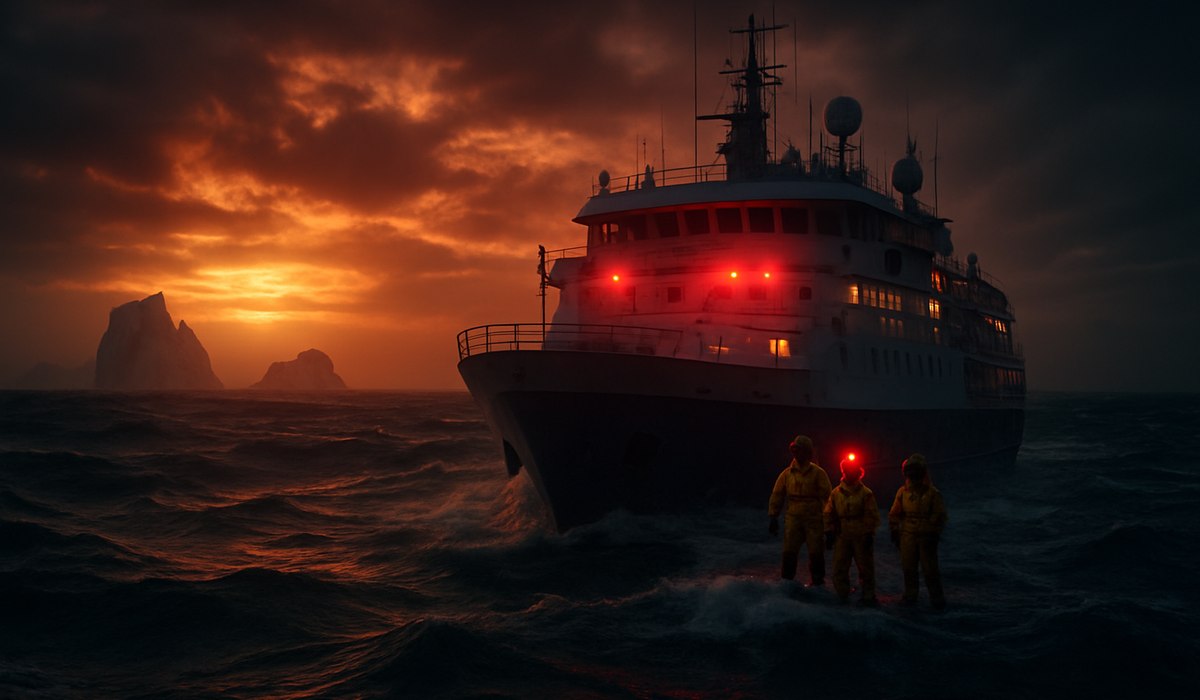
Image generated by AI
MV Hondius Hantavirus Crisis: Indian Crew Members Trapped at Sea
Two Indian crew members are among nearly 150 people stranded aboard the Dutch-flagged expedition cruise ship MV Hondius following a catastrophic outbreak of Andes hantavirus that has claimed three lives and sickened eight confirmed or suspected cases. The vessel, which departed Argentine waters on April 1 for a polar Antarctic expedition, now sits anchored off Cape Verde in West Africa under strict quarantine conditions. This unprecedented maritime health emergency has thrust indians among crew into the global spotlight, raising urgent questions about disease containment aboard expedition vessels and the safety of international maritime workers navigating remote polar routes.
Deadly Hantavirus Outbreak on Polar Expedition Vessel
The MV Hondius departure from Ushuaia, Argentina marked what passengers believed would be the adventure of a lifetime. The polar expedition vessel carried approximately 114 guests and dozens of crew members representing multinational maritime workforces. However, within weeks at sea, the voyage transformed into an international public health crisis when multiple passengers developed acute respiratory symptoms inconsistent with typical shipboard illnesses.
The Andes hantavirus, a rare rodent-borne pathogen, emerged as the culprit following laboratory analysis by reference facilities across Europe and Africa. Unlike most hantavirus strains, the Andes variant possesses a terrifying characteristic: it spreads person-to-person through respiratory secretions in confined environments. This transmission capability intensified concerns aboard the vessel, where hundreds shared recirculated air systems and communal spaces. By late April 2026, international media outlets including The Guardian, El País, and Le Monde reported the mounting death toll and critical hospitalizations.
The World Health Organization and national public health authorities rapidly mobilized investigations to trace infection pathways and monitor returnees across continents. Regional laboratories from Saint Helena to African coastal nations initiated surveillance protocols lasting eight weeks—the outer boundary of the virus's incubation window.
Indian Nationals Among Stranded Crew Members
Reporting from India Today and domestic news agencies confirmed that at least two Indian nationals serve as crew members aboard the Hondius, remaining on the vessel as of early May 2026 despite the ongoing outbreak. Their specific roles within ship operations remain undisclosed, though they represent India's substantial presence in global maritime and cruise industry workforces. Indian seafarers comprise essential labor across polar expedition vessels, making this incident particularly resonant for families and maritime authorities in New Delhi.
The Indian crew members' status and medical condition have not been independently verified by Indian government health agencies, creating anxiety among relatives and raising diplomatic considerations. Three other individuals, including two crew members of different nationalities, were already evacuated to European hospitals as their conditions deteriorated. Additional passengers disembarked at previous ports or received air transport to medical facilities as outbreak severity became apparent.
India's government has heightened scrutiny regarding crew welfare and post-voyage health monitoring for returning workers, particularly as the ship eventually approaches European docking facilities. The incident underscores systemic vulnerabilities in maritime labor protections during emerging disease scenarios.
How Andes Hantavirus Spreads and Why Ships Are High-Risk
Epidemiological reconstructions compiled by European public health agencies trace the outbreak's likely origin to a Dutch couple who traveled extensively through Argentina before boarding at Ushuaia. Investigative reporting suggests birdwatching excursions near the departure city may have exposed them to infected rodents, with viral incubation occurring during early voyage days at sea. By late April, fever, cough, and respiratory distress afflicted multiple passengers simultaneously.
The mechanism behind Andes hantavirus transmission differs fundamentally from other hemorrhagic fever pathogens. Person-to-person spread occurs through respiratory droplets in poorly ventilated spaces—precisely the conditions characterizing modern cruise ship environments. Expedition vessels, despite advanced engineering, maintain centralized air handling systems that distribute viral particles throughout interconnected cabin zones and public areas.
Investigations ongoing through May 2026 examine whether secondary cases aboard the Hondius originated from direct rodent exposure or human-to-human transmission chains. Health agencies monitoring returnees across Europe, North America, and South America emphasize the virus's extended incubation window, requiring eight-week observation protocols. This extended timeline complicates contact tracing and delayed symptom onset detection among international travelers who departed the vessel at various points.
Research shared by maritime epidemiologists highlights that confined shipboard environments, combined with Andes hantavirus's person-to-person capabilities, create amplification conditions unmatched by terrestrial settings. The outbreak catalyzed immediate reviews of expedition cruise health protocols across the industry.
International Response and Evacuation Efforts
National health authorities in multiple jurisdictions mobilized coordinated response mechanisms following confirmation of onboard Andes hantavirus infections. Cape Verde authorities initially raised reception concerns, forcing the Hondius to remain anchored offshore pending diplomatic health negotiations. Tracking data indicated the vessel's precarious positioning between international waters and territorial jurisdictions, complicating evacuation logistics.
Maritime authorities coordinated airlifts and medical transport for critically ill passengers and crew. European hospital systems, particularly facilities in Portugal and the Netherlands, received severe cases requiring advanced respiratory support and antiviral monitoring. Crew changeover protocols commenced to reduce population density aboard the vessel while maintaining essential ship operations during extended quarantine.
The incident prompted the International Maritime Organization and cruise industry bodies to convene emergency consultations regarding disease detection protocols, enhanced health screening before embarkation, and real-time epidemiological reporting from vessels at sea. Visit Cruise Critic for comprehensive passenger experiences and peer reviews regarding health and safety standards across expedition cruise operators.
Diplomatic channels between India, European nations, and South American governments facilitated information exchange regarding crew welfare and repatriation procedures for affected maritime workers. The multinational nature of modern cruise vessel crews required coordinated communication across language barriers and jurisdictional boundaries.
Cruise Itinerary at a Glance
| Aspect | Details |
|---|---|
| Vessel | MV Hondius (Dutch-flagged polar expedition ship) |
| Departure Port | Ushuaia, Tierra del Fuego, Argentina |
| Departure Date | April 1, 2026 |
| Intended Route | Antarctic and South Atlantic expedition waters |
| Passenger Capacity | Approximately 114 guests |
| Crew Complement | Dozens of international maritime workers |
| Current Position | Anchored offshore Cape Verde, West Africa |
| Outbreak Status | Active containment, 3 deaths, 8 confirmed/suspected cases |
| International Staff | Crew drawn from Asia, Europe, and maritime regions |
| Itinerary Duration | Weeks-long polar expedition route |
What This Means for Travelers
The MV Hondius outbreak demands immediate consideration from potential expedition cruise passengers and maritime industry stakeholders. Travelers contemplating polar or remote water voyages should implement protective strategies:
-
Verify health screening protocols with expedition cruise operators before booking, requesting documentation of pre-embarkation testing requirements and onboard medical facilities' capabilities.
-
Research vessel-specific epidemiological history through independent sources like Cruise Critic and maritime health databases, examining infection incident patterns and operator response times.
-
Inquire about air handling systems aboard expedition vessels, specifically questioning HEPA filtration standards and cabin-to-public-space ventilation separation—critical for respiratory pathogen containment.
-
Obtain comprehensive travel insurance explicitly covering emerging infectious disease scenarios, evacuation logistics, and extended hospitalization in remote locations without direct air access.
Disclaimer
This article is for informational and educational purposes only. It does not constitute legal, financial, or professional advice. While we strive to provide accurate and up-to-date information, travel policies, regulations, and conditions change rapidly. Always verify information with official sources before making travel decisions. Nomad Lawyer makes no representations about the accuracy, reliability, completeness, or suitability of the information provided. Readers should consult qualified professionals for advice specific to their circumstances. The views expressed in this article are those of the author and do not necessarily reflect the views of Nomad Lawyer.
Kunal K Choudhary
Co-Founder & Contributor
A passionate traveller and tech enthusiast. Kunal contributes to the vision and growth of Nomad Lawyer, bringing fresh perspectives and driving the community forward.
Learn more about our team →