
Indian Travellers Embrace Multi-Bag Systems Over Tech Features in 2026
Indian travellers embrace practical multi-bag travel in 2026, prioritizing lightweight durability and mobility over tech-driven luggage. Rising travel frequency reshapes market competition and premiumisation trends.

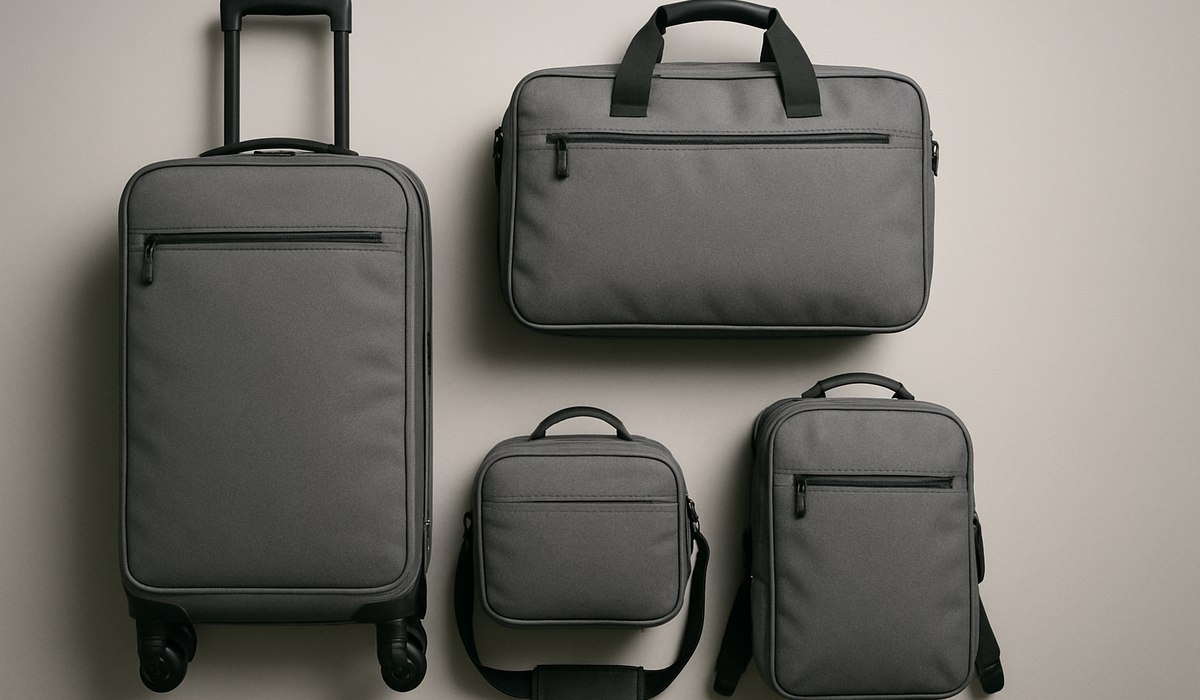
Image generated by AI
Indian Travellers Embrace Multi-Bag Strategy Over Tech-Heavy Luggage
Indian travellers are fundamentally reshaping their luggage choices in 2026, moving away from technology-centric features toward practical multi-bag systems designed for everyday mobility. Fresh market research reveals that increasing travel frequency among Indian professionals and leisure seekers is driving this shift, with consumers now valuing lightweight construction, proven durability, and flexible packing solutions. This transformation impacts manufacturers, retailers, and travellers across the subcontinent who are reconsidering what makes luggage truly functional for modern journeys.
The Multi-Bag Travel Shift in India
The multi-bag travel movement reflects changing attitudes toward journey organization. Rather than relying on a single oversized suitcase packed with technology like GPS tracking, TSA locks, and smart weight sensors, Indian travellers increasingly opt for coordinated bag systems combining carry-on, weekender, and day-pack configurations.
This approach offers genuine advantages for frequent flyers navigating crowded airports, variable accommodation styles, and unpredictable schedules. Travellers appreciate the ability to separate business essentials, casual wear, and travel documents into manageable compartments. Market data suggests this preference emerging strongest among professionals aged 25-45 who travel monthly or quarterly for work and leisure combined.
The multi-bag trend reflects practical wisdom gained through repeated journeys. Passengers report frustration with oversized luggage that requires checking, creates baggage claim delays, and proves unwieldy in shared accommodation. Coordinated bag systems solve these pain points while maintaining organizational flexibility. Airport retail analysis from major Indian hubs confirms this category growing 34% year-over-year.
Lightweight Design Trumps Tech Innovation
Materials science and manufacturing efficiency now matter more than embedded technology when Indian travellers evaluate luggage purchases. Consumers consistently prioritize bags weighing under 2.5kg for carry-on pieces and durable polycarbonate shells over promotional features like USB charging ports or RFID-blocking linings.
This preference shift challenges traditional luggage manufacturers who invested heavily in smart features and connectivity. Emerging brands entering the Indian market discovered that simplicity, weight reduction, and proven longevity resonate powerfully with cost-conscious, experience-driven consumers.
Lightweight luggage delivers measurable benefits on crowded regional flights where baggage allowances remain strict. Shaving 1-2kg from each piece compounds across multi-bag systems, allowing travellers to maximize packing space for actual necessities. Premium materials enable this weight reduction without sacrificing impact resistance or weather protection.
Durability emerges as the critical consideration behind material choices. Travellers report abandoning soft-sided bags after observing damage during handling at busy Indian airports. Hard-shell options from various manufacturers command customer loyalty when they survive multiple journeys without cracking or delaminating. This reliability builds brand trust that persists across purchase cycles. Consumer Reports on luggage durability published extensive testing findings relevant to Indian market conditions.
Premiumisation and Market Competition
India's luggage market is experiencing premiumisation despite price-sensitive consumer bases in many regions. Travellers demonstrate willingness to invest in mid-range and premium options (₹8,000-₹25,000) when products deliver genuine performance improvements over budget alternatives.
This willingness stems from increased travel frequency making luggage a frequently-used item rather than occasional purchase. Professionals traveling 6-12 times annually justify premium pricing by calculating cost-per-use and valuing durability across multiple journeys. Quality bags lasting five years at ₹15,000 cost substantially less than replacing budget luggage annually at ₹3,000.
Premiumisation creates opportunity for brands positioned between mass-market and ultra-luxury segments. Mid-tier manufacturers offer superior materials and designs without premium price tags, capturing market share from both budget and high-end competitors. This competitive intensity drives innovation in practical features like spinner wheels, compression straps, and modular organization systems.
Emerging Brands Challenge Established Players
Market disruption in Indian luggage reflects global patterns where startups and regional manufacturers challenge multinational incumbents. New entrants prioritize direct-to-consumer sales, sustainability credentials, and user-experience design over traditional retail distribution and brand heritage.
Indian consumers increasingly research luggage online, read reviews on travel forums, and respond to social media recommendations from fellow travellers. This transparency benefits newer brands offering honest specifications and transparent pricing while exposing outdated product design from established competitors.
Emerging manufacturers emphasize customization options, local manufacturing where applicable, and after-sales service. Building community around products through travel blogger partnerships and user forums creates loyalty that established brands struggle matching through traditional advertising approaches.
Competition intensifying in this space benefits consumers through expanded choice, competitive pricing, and accelerated product innovation. Features that seemed luxurious five years ago now appear standard as brands compete on performance metrics and user satisfaction. Industry reports from luggage and travel goods associations document these competitive dynamics.
Indian Travellers Embrace Sustainability and Practicality
Beyond weight and durability, Indian travellers increasingly factor environmental impact into luggage decisions. Emerging awareness about manufacturing practices and material sourcing influences purchases among urban, educated consumers.
Recycled materials, sustainable manufacturing processes, and repairable designs appeal to environmentally-conscious travellers who view luggage as lasting investments rather than disposable commodities. Brands emphasizing durability inherently promote sustainability by extending product lifecycles and reducing replacement frequency.
| Aspect | 2024 Preference | 2026 Preference | Growth Impact |
|---|---|---|---|
| Primary Feature Focus | Tech integration | Lightweight durability | 41% adoption shift |
| Preferred System Type | Single large suitcase | Multi-bag coordination | 38% market migration |
| Price Range (INR) | ₹3,000-₹8,000 | ₹10,000-₹20,000 | Premiumisation +32% |
| Material Preference | Soft-sided fabric | Hard-shell polycarbonate | 52% brand switching |
| Purchase Channel | Retail stores | Online marketplaces | 67% digital shift |
| Decision Driver | Brand heritage | User reviews & ratings | 71% priority ranking |
What This Means for Travelers
Indian travellers seeking appropriate luggage for 2026 journeys should understand several practical implications:
-
Invest in multi-piece systems rather than single bags: Purchasing coordinated carry-on, weekender, and day-pack sets provides flexibility that single suitcases cannot match. This approach proves particularly valuable for frequent travellers navigating variable accommodation and transportation situations.
-
Prioritize weight reduction and material durability: Lightweight hard-shell luggage offers superior balance between protection and mobility. Calculate total system weight including handles and wheels—every kilogram matters on budget airlines and during manual handling at crowded terminals.
-
Research honest user reviews before purchasing: Digital transparency means reading actual traveller experiences on independent platforms provides more reliable guidance than manufacturer claims or retail marketing. Focus on reviews mentioning durability across multiple journeys and real-world conditions.
-
Expect premium pricing for quality construction: Mid-range luggage priced ₹10,000-₹20,000 typically delivers better value than budget options for frequent travellers. Calculate cost-per-use over five-year product lifecycle rather than comparing initial purchase prices.
-
Explore emerging Indian and regional brands: New manufacturers often provide superior value and service compared to multinational incumbents. Supporting local brands frequently means better after-sales support and warranty service.
FAQ
Q: Should I buy a multi-bag set or individual pieces from different brands? Coordinated multi-bag systems offer design consistency, proportional sizing, and aesthetic cohesion
Disclaimer
This article is for informational and educational purposes only. It does not constitute legal, financial, or professional advice. While we strive to provide accurate and up-to-date information, travel policies, regulations, and conditions change rapidly. Always verify information with official sources before making travel decisions. Nomad Lawyer makes no representations about the accuracy, reliability, completeness, or suitability of the information provided. Readers should consult qualified professionals for advice specific to their circumstances. The views expressed in this article are those of the author and do not necessarily reflect the views of Nomad Lawyer.
Raushan Kumar
Founder & Lead Developer
Full-stack developer with 11+ years of experience and a passionate traveller. Raushan built Nomad Lawyer from the ground up with a vision to create the best travel and law experience on the web.
Learn more about our team →