
India Issues Travel Advisory as Gulf Airspace Crisis Deepens in 2026
India's Ministry of External Affairs escalates travel warnings as regional conflict triggers massive airspace closures across Middle East hubs in 2026. Over 10,000 flights cancelled, tens of thousands stranded.

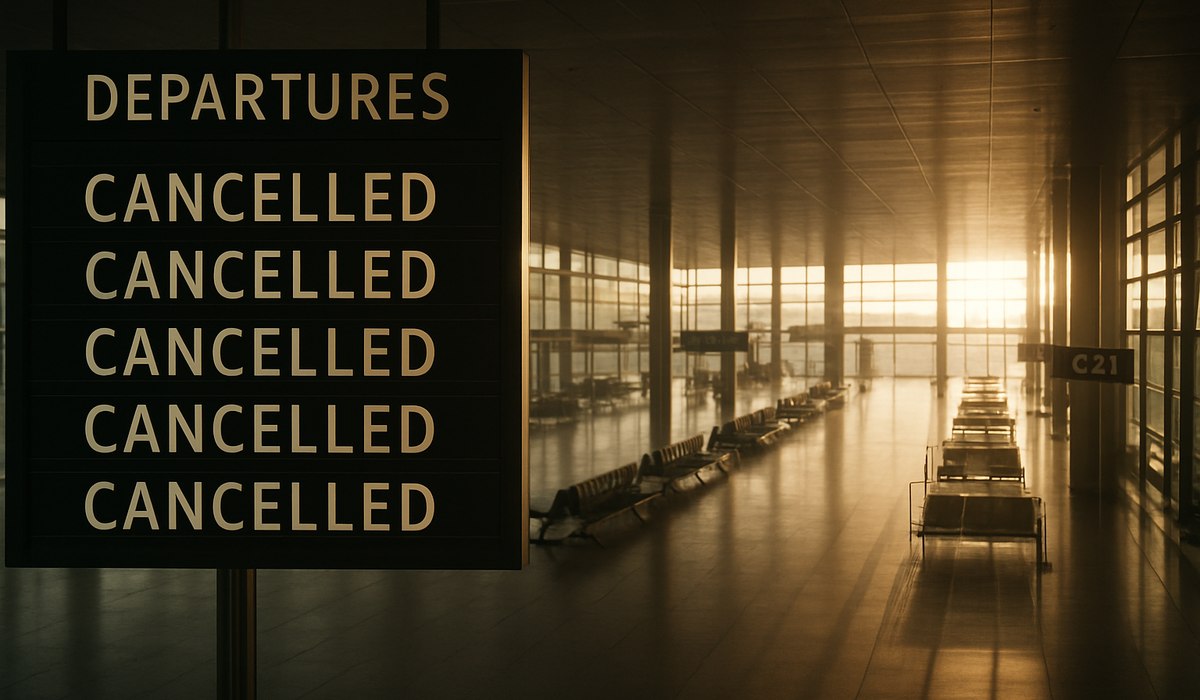
Image generated by AI
India Escalates Travel Advisory Amid Gulf Airspace Crisis
India's Ministry of External Affairs has issued urgent travel warnings as widening airspace closures across the Middle East ground tens of thousands of flights and leave passengers stranded across major Gulf aviation hubs. The escalation follows intense regional military activity since late February 2026, forcing airlines to cancel or reroute thousands of services connecting Asia, Europe, and Africa. Citizens are urged to avoid non-essential travel through affected countries including Iran, Iraq, Lebanon, and parts of the Gulf Cooperation Council states.
The crisis represents the most severe aviation disruption to impact the region since the COVID-19 pandemic. Multiple sources confirm that India issues travel warnings regularly, but this advisory marks one of the most comprehensive alerts issued by New Delhi in recent years, reflecting the unprecedented scale of the current emergency.
Regional Conflict Triggers Unprecedented Airspace Closures
Military escalation across the Middle East since late February has prompted Iran, Iraq, Israel, Syria, and several Gulf nations to implement emergency airspace restrictions. These closures have created a domino effect, shutting down critical aviation corridors that normally serve as bridges between Asian and European air traffic.
Dubai, Abu Dhabi, Doha, Riyadh, Manama, and Kuwait City have all experienced extended operational shutdowns. Aviation risk bulletins circulating among airlines classify significant portions of Middle Eastern airspace as high-risk zones, citing potential GPS interference, short-notice closures, and debris near major flight corridors. The restrictions have forced carriers to redesign routing strategies, pushing long-haul traffic over the Red Sea, Central Asia, and southern Indian Ocean—adding hours to journey times and increasing fuel costs substantially.
Indian embassy notifications across Gulf states emphasize the volatile security environment and recommend that nationals monitor airline announcements continuously. The UAE embassy issued a March circular specifically addressing the airspace disruptions and outlining emergency procedures for affected Indian citizens working or residing in the region.
Tens of Thousands of Flights Cancelled Across Middle East
Aviation analytics firms report cumulative cancellations exceeding 10,000 flights since hostilities intensified on February 28, 2026. This figure represents unprecedented disruption to global connectivity, with major international carriers including European and Asian brands suspending direct services to the most affected Gulf destinations.
Gulf hubs, traditionally among the world's busiest aviation connectors, now operate at severely reduced capacity. Kuwait and Qatar continue experiencing widespread carrier suspensions, while Saudi Arabian airports maintain reduced schedules. Many travelers face multi-day delays, lost bookings, and difficulty rebooking flights through alternative routes.
Corporate travel platforms and online agencies tracking cancellations report that recovery timelines remain uncertain. Airlines have shifted to circuitous routings using distant hubs as temporary alternatives, but these workarounds have created severe bottlenecks at secondary airports worldwide. The economic impact extends beyond aviation to fuel markets, shipping lanes, and international trade flows.
Airlines Reroute Long-Haul Traffic Away from Traditional Gulf Corridors
Major carriers have fundamentally redesigned network strategies to bypass the crisis zone entirely. Instead of routing through Dubai or Doha, airlines now push traffic southward over the Indian Ocean or northward through Central Asian airspace—adding significant time and cost to operations.
This massive rerouting has strained secondary hubs in Europe, Asia, and Africa, creating cascading delays throughout global aviation networks. Fuel consumption increases substantially on extended routes, with airlines absorbing higher costs or passing them to passengers through surcharges. Booking patterns show travelers increasingly avoiding Middle Eastern connections altogether, opting for direct flights or alternative routing even at premium prices.
Industry analysts note that recovery of normal Gulf operations could take months, even if military tensions ease. Airlines have already repositioned aircraft, modified crew schedules, and committed resources to alternative hubs. The structural reorganization of key global air corridors underscores how central the Gulf region remains to 21st-century aviation infrastructure.
What Travelers Must Know Right Now
| Crisis Factor | Impact Level | Affected Regions | Status |
|---|---|---|---|
| Airspace Closures | Critical | Iran, Iraq, Syria, parts of Gulf | Ongoing since Feb 28 |
| Flight Cancellations | 10,000+ | All Middle East hubs | Rolling cancellations daily |
| Stranded Passengers | Tens of thousands | Dubai, Abu Dhabi, Doha, Riyadh, Kuwait | Limited repatriation flights available |
| Visa/Entry Restrictions | High | Lebanon, Iran, Iraq | Movement severely restricted |
| Routing Delays | +4-8 hours | Asia-Europe flights | Reroutes via Indian Ocean/Central Asia |
| India's Advisory Level | Escalated | Gulf region | Avoid non-essential travel |
What This Means for Travelers
-
Postpone Non-Essential Trips: India issues travel recommendations to defer journeys to affected Middle Eastern countries unless absolutely critical for work or family emergencies.
-
Book Direct Routes When Possible: Avoid connections through Gulf hubs. Direct flights from India to Europe, US, or Asia bypass the crisis zone entirely, though premiums have increased 15-30%.
-
Register with Your Embassy: Indian nationals currently in Gulf countries should register with the nearest Indian embassy or consulate for emergency updates and potential evacuation assistance.
-
Monitor Airline Announcements: Cancellations and reroutes happen with little notice. Enable flight alerts and check airline websites 48-72 hours before departure.
-
Consider Travel Insurance: Policies covering airspace closures and force majeure events provide financial protection against losses from cancellations or rebooking costs.
-
Plan Extended Timelines: If travel cannot be postponed, add 2-3 extra days to arrival windows to account for rerouting delays and potential secondary cancellations.
-
Document Your Status: Keep passports, visas, travel documents, and communication with airlines thoroughly documented in case you require embassy assistance.
Frequently Asked Questions
Q: Should I cancel my trip to Dubai or Abu Dhabi right now? India's Ministry of External Affairs advises against non-essential travel to affected Gulf destinations. If your trip is essential, check your airline's current routing before booking. Many carriers now bypass these hubs entirely, adding substantial travel time.
Q: How long will airspace closures continue? No official timeline exists for airspace reopening. Military and political developments determine closure duration. Aviation authorities reassess restrictions daily, but recovery could extend weeks to months based on current conditions and diplomatic progress.
Q: Can I get a refund or rebooking if my flight is cancelled? Airline policies vary. EU261 regulations apply to European carriers, offering compensation and rebooking. Airlines operating from India may offer credits or rerouting options. Contact your carrier immediately and document all communications for reimbursement claims.
Q: Is it safe to work or live in the Gulf region now? Security conditions remain volatile with frequent airspace closures. Indian embassies are coordinating repatriation flights if needed. Consult your employer and embassy contacts about current safety assessments before deciding to remain or relocate.
Related Travel Guides
- Complete Guide to Middle East Travel Safety in 2026
- Alternative Asia-Europe Flight Routes Avoiding Gulf Hubs
- Indian Passport Holders: Emergency Embassy Resources
Important Disclaimer
This article reflects publicly available information from India's Ministry of External Affairs, aviation analytics firms, and international media reports as of April 10, 2026. For authoritative travel guidance, consult the Ministry of External Affairs Travel Advisory Portal and your nearest Indian embassy or consulate.
Airlines continue updating schedules rapidly. Verify current flight status,
Disclaimer
This article is for informational and educational purposes only. It does not constitute legal, financial, or professional advice. While we strive to provide accurate and up-to-date information, travel policies, regulations, and conditions change rapidly. Always verify information with official sources before making travel decisions. Nomad Lawyer makes no representations about the accuracy, reliability, completeness, or suitability of the information provided. Readers should consult qualified professionals for advice specific to their circumstances. The views expressed in this article are those of the author and do not necessarily reflect the views of Nomad Lawyer.
Raushan Kumar
Founder & Lead Developer
Full-stack developer with 11+ years of experience and a passionate traveller. Raushan built Nomad Lawyer from the ground up with a vision to create the best travel and law experience on the web.
Learn more about our team →