
India Airline Flight Diverted: Air India Rerouted to Saudi Arabia
An Air India flight traveling from India to London was diverted to Jeddah, Saudi Arabia on March 24, 2026, due to Gulf airspace disruptions affecting major carrier routes across the Middle East region.

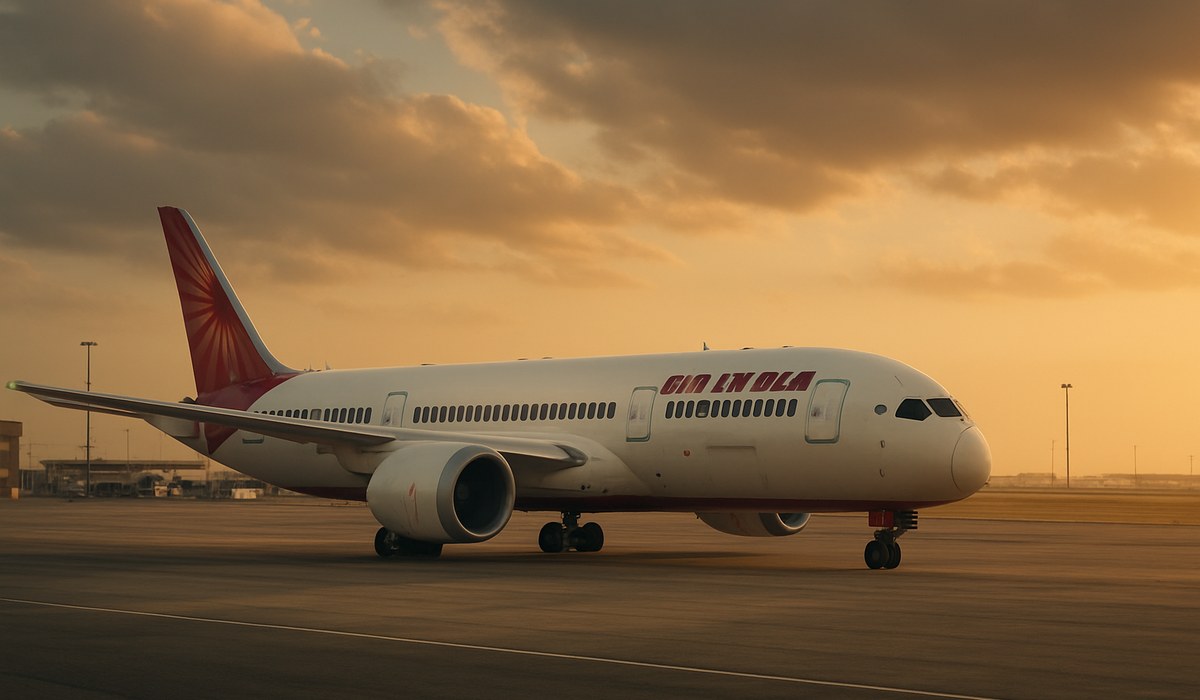
Image generated by AI
Air India Flight Diverted to Saudi Arabia Amid Gulf Airspace Crisis
Air India diverted a London-bound aircraft to King Abdulaziz International Airport in Jeddah on March 24, 2026, following unexpected disruptions across the Gulf airspace corridor. The flight, originating from an Indian hub, encountered restricted routing procedures that forced the carrier to alter its planned trajectory. Gulf airspace restrictions affected multiple international carriers simultaneously, creating cascading delays for transatlantic and European-bound services.
The diversion impacted approximately 280 passengers scheduled to arrive in London. Airlines operating India-to-UK routes faced unexpected operational challenges as airspace authorities implemented temporary navigational constraints. This incident highlights ongoing infrastructure vulnerabilities affecting long-haul international travel through the Arabian Peninsula region.
Gulf Airspace Disruptions Force Operational Changes
Gulf airspace disruptions on March 24 created significant routing complications for carriers operating between Asia and Europe. Multiple flight paths normally utilized by international operators became temporarily unavailable, forcing real-time rerouting decisions. The disruptions extended across Saudi Arabian, United Arab Emirates, and Omani controlled airspace sectors.
Air India's diversion to Jeddah represented a common response among carriers facing Gulf restrictions. Ground handling teams at King Abdulaziz International Airport activated contingency protocols to accommodate the unexpected arrival. Airlines monitoring the situation implemented predictive scheduling adjustments for subsequent departures, with some operators delaying flights preemptively to avoid similar diversions.
Meteorological and operational factors contributing to airspace restrictions remained under investigation by regional aviation authorities. The International Air Transport Association (IATA) monitors such disruptions closely, as they directly impact scheduling efficiency across major international corridors.
Air India's Response and Passenger Communication
Air India activated its customer service protocols immediately upon rerouting decisions. Passengers received notifications regarding the diversion and expected ground duration at Jeddah. The airline coordinated with Saudi airport authorities to minimize turnaround time and expedite refueling procedures.
The carrier arranged meal services and accommodation assistance for passengers facing extended layovers exceeding four hours. Air India's operations team coordinated with London Gatwick ground staff to confirm revised arrival windows and baggage handling procedures. Passengers connecting to onward European flights received priority rebooking assistance through Air India's service centers.
Communication challenges emerged for some travelers unfamiliar with Jeddah's airport facilities. Air India deployed multilingual staff at King Abdulaziz International Airport to address passenger concerns and provide wayfinding assistance. The airline offered complimentary refreshment vouchers and temporary workspace access during the extended stop.
Real-Time Flight Tracking and Route Updates
Modern flight tracking platforms provide transparency during disruption events. FlightAware displays real-time altitude, speed, and routing information for affected Air India aircraft. Passengers monitoring their flights could observe the midcourse correction toward Jeddah and track the revised timeline.
Flight status updates appeared across airline booking systems within minutes of the diversion decision. Automated SMS and email notifications informed passengers of the routing change and revised arrival estimates. Air India's mobile application provided push notifications tracking the aircraft's progress toward Saudi Arabian airspace entry.
Tracking data revealed the aircraft maintained standard descent procedures into King Abdulaziz International Airport. Ground delay information became accessible through airline websites, allowing family members and connection partners to adjust pickup arrangements. The transparency enabled passengers to make informed decisions regarding immediate travel needs and accommodation provisions.
Passenger Rights and Compensation Eligibility
International aviation regulations address passenger rights during flight diversions and extended delays. The U.S. Department of Transportation provides guidance for passengers experiencing significant disruptions on international flights. Compensation eligibility depends on flight duration, delay length, and airline responsibility determination.
Passengers on the diverted Air India flight became entitled to specific protections under international and national aviation laws. Extended delays exceeding three hours trigger compensation requirements in many jurisdictions. Meals, refreshments, and accommodation provisions fall under standard airline obligations during unforeseen operational disruptions.
Air India assessed whether the airspace restriction qualified as a "force majeure" event exempting the carrier from compensation liability. Regulatory authorities examine such determinations carefully, evaluating whether airlines implemented reasonable mitigation strategies. Passengers may pursue compensation claims if investigations determine Air India's operational decisions contributed to excessive delays.
Recovery Timeline and Service Resumption
The diverted Air India flight completed refueling procedures at Jeddah within ninety minutes of arrival. Flight crew rest requirements and safety protocols extended ground duration slightly beyond standard turnaround times. The aircraft resumed flight toward London Gatwick by 14:35 UTC on March 24, 2026.
Revised estimated arrival at London Gatwick shifted to 20:15 UTC, representing approximately six-hour delays from original schedules. Subsequent Air India departures from Indian hubs implemented modified flight plans incorporating Gulf airspace constraints. Scheduling normalization anticipated completion by March 25, as airspace restrictions gradually eased.
Air India coordinated with UK authorities to accommodate the later arrival time and manage baggage processing procedures. Ground handling teams extended shift schedules to maintain service quality during compressed turnaround periods. Passengers with onward European connections received updated flight confirmations reflecting revised arrival windows.
Traveler Action Checklist
Passengers experiencing flight disruptions should follow these essential steps:
-
Monitor official channels — Check your airline's website and mobile application for status updates before contacting customer service.
-
Secure written confirmation — Request documentation of the diversion and delay from airline representatives before departure from any airport.
-
Collect meal and accommodation receipts — Keep all expense documentation for accommodation, food, and transportation incurred during extended delays.
-
Document communication attempts — Record dates, times, and names of airline representatives you contact regarding disruptions and compensation inquiries.
-
Review your ticket terms — Examine your booking confirmation for airline-specific policies regarding force majeure events and passenger protections.
-
Contact your national aviation authority — File complaints with relevant regulatory bodies if compensation claims remain unresolved beyond 30 days.
-
Consult travel insurance coverage — Review your policy to identify applicable compensation provisions for disruption-related expenses.
-
Request itemized compensation — If eligible, submit formal compensation claims specifying meal costs, accommodation expenses, and communication fees separately.
What This Means for Travelers
March 2026's Gulf airspace disruptions underscore ongoing infrastructure vulnerabilities affecting international travel. Passengers booking India airline flights to Europe should anticipate potential routing modifications during peak travel periods. Building buffer time between connections becomes increasingly important given unpredictable Gulf airspace conditions.
Travelers should review airline diversion policies before booking routes transiting Middle Eastern airspace. Consider purchasing comprehensive travel insurance covering accommodation and meal expenses during extended diversions. Monitor flight status updates starting 24 hours before departure, particularly for India-to-UK services.
For long-haul passengers, diversions to intermediate airports like Jeddah represent manageable disruptions compared to emergency situations. However, extended ground times create fatigue and schedule anxiety. Maintaining realistic expectations about international aviation operations helps travelers cope effectively with unplanned routing changes.
FAQ
What caused the Air India flight diversion to Saudi Arabia on March 24, 2026? Gulf airspace disruptions required Air India to reroute its London-bound service through alternative flight paths, resulting in the diversion to King Abdulaziz International Airport in Jeddah. Regional airspace restrictions implemented by Saudi aviation authorities forced the carrier to make immediate routing adjustments for safety and operational compliance.
How many passengers were affected by the India airline flight diversion? Approximately 280 passengers were aboard the diverted Air India flight. The aircraft traveled from an Indian origin airport to Jeddah, creating unexpected delays for passengers destined for London and connecting European cities.
Are passengers eligible for compensation following the India airline flight diversion? Compensation eligibility depends on delay duration, flight classification, and whether regulators determine the disruption constitutes a force majeure event. Passengers experiencing delays exceeding three hours may pursue compensation claims under specific international aviation regulations, provided the airline's decisions contributed to extended disruptions.
How long did the Air India flight remain grounded in Jeddah? The aircraft completed ground procedures including refueling, crew rest, and safety inspections within approximately 90 minutes of arrival at King Abdulaziz International Airport. The extended timeline reflected standard operational protocols rather than additional complications.
Related Travel Guides
Understanding Flight Delay Compensation Across International Routes
Middle East Airspace Disruptions: What Travelers Need to Know
Planning India-to-Europe Flights: Route Options and Best Practices
Disclaimer
Disclaimer
This article is for informational and educational purposes only. It does not constitute legal, financial, or professional advice. While we strive to provide accurate and up-to-date information, travel policies, regulations, and conditions change rapidly. Always verify information with official sources before making travel decisions. Nomad Lawyer makes no representations about the accuracy, reliability, completeness, or suitability of the information provided. Readers should consult qualified professionals for advice specific to their circumstances. The views expressed in this article are those of the author and do not necessarily reflect the views of Nomad Lawyer.
Raushan Kumar
Founder & Lead Developer
Full-stack developer with 11+ years of experience and a passionate traveller. Raushan built Nomad Lawyer from the ground up with a vision to create the best travel and law experience on the web.
Learn more about our team →