
Icelandair Record February Fuels Iceland Travel Boom in 2026
Icelandair's record February 2025 performance signals sustained travel demand to Iceland. With 251,000 passengers and an 80% load factor, the airline's growth fuels a broader tourism boom across Keflavík Airport and North Atlantic routes in 2026.

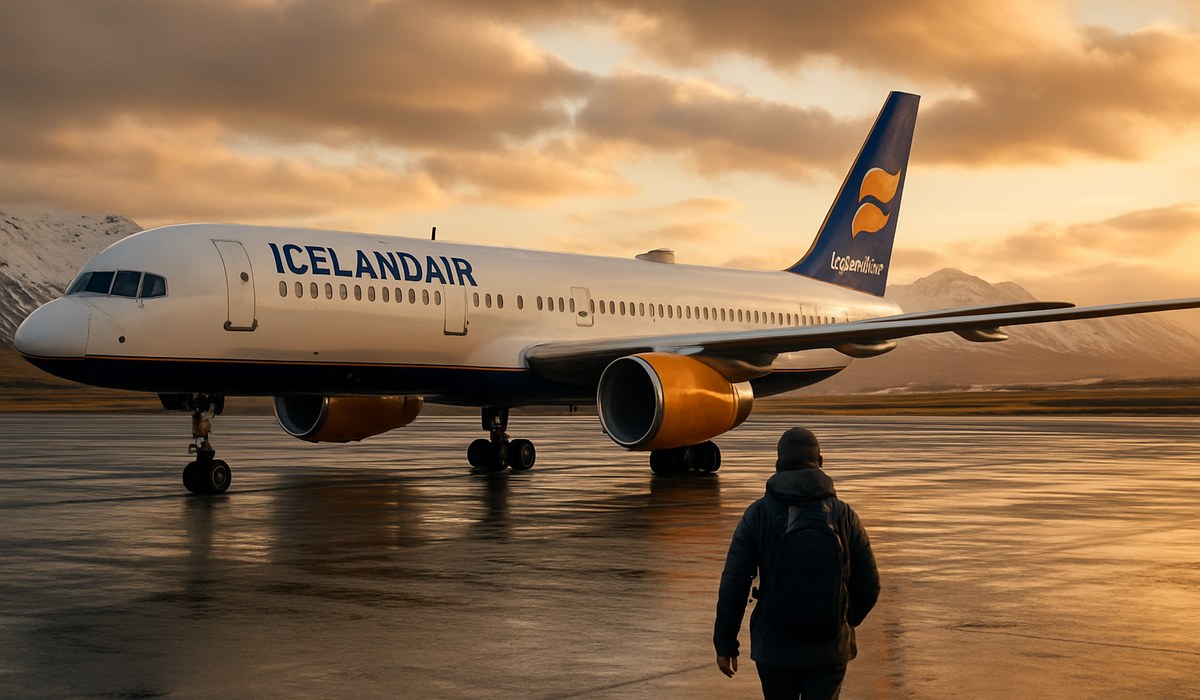
Image generated by AI
Icelandair Posts Record February as Passenger Traffic Surges
Icelandair has reported its strongest-ever February performance, carrying 251,000 passengers in February 2025—a 7 percent increase year-over-year. The airline achieved a record 80 percent load factor for the month, meaning seats filled at historically high levels despite winter seasonality. Capacity expanded by approximately 8 percent, yet demand kept pace, demonstrating robust appetite for travel to, from, and via Iceland. This sustained momentum carries into 2026 as the carrier continues optimizing its transatlantic network and modernizing its fleet with fuel-efficient aircraft. The strong load factor offset modest declines in average yield, maintaining overall passenger unit revenue stability as Iceland's travel sector accelerates into spring travel season.
North Atlantic Hub Growth: Keflavík Airport Consolidates Leadership Position
Keflavík International Airport handled more than 8.1 million passengers during 2025, solidifying its position as a critical North Atlantic connectivity hub. The airport operator, Isavia, projects approximately 7.5 million passengers for 2026, including over 2.2 million foreign tourists. This modest adjustment reflects a transition from rapid post-pandemic recovery to sustainable 3-5 percent annual growth trajectories. Industry data shows nearly 30 airlines now serve the airport, offering direct connections to roughly 100 destinations across North America and Europe. Key routes include London, Copenhagen, New York, Paris, and Amsterdam. Recent terminal expansion and upgraded passenger facilities enable Keflavík to support medium-term projections of 15 million annual travelers by the mid-2040s. Learn more about Iceland's major airport expansion and its role in regional connectivity.
Fleet Modernization Drives Fuel Efficiency and Operational Performance
Icelandair's record February success reflects deeper operational improvements powered by fleet renewal. The airline has retired older Boeing 757 aircraft, replacing them with new-generation narrowbodies like the Boeing 737 MAX and Airbus A321LR. These modern airframes reduce fuel consumption per available seat kilometer, lower cabin noise, and extend range capabilities for thinner long-haul routes. February 2025 on-time performance reached just over 80 percent, supported by these operational enhancements. The shift toward fuel-efficient aircraft directly addresses environmental targets while improving unit economics. This modernization strategy enables Icelandair to maintain competitive schedules year-round and reduce carbon emissions intensity—a key advantage as travelers increasingly consider sustainability when booking Iceland travel packages.
Charter Activity Explodes: Block Hour Growth Exceeds 25 Percent
Beyond scheduled passenger services, Icelandair's charter division posted exceptional growth in February 2025. Sold block hours in charter operations increased by more than 25 percent year-over-year, reflecting growing corporate and leisure demand for dedicated aircraft services. Charter flights complement the airline's hub-and-spoke model by providing flexible capacity for peak travel periods and special routing requirements. This diversified revenue stream reinforces Icelandair's financial resilience and enables investment in modern, fuel-efficient charter aircraft. The charter boom underscores Iceland's expanding appeal for group travel, incentive programs, and point-to-point corporate routes that bypass traditional hub connections. Airlines operating charter services from Keflavík now support specialized tourism experiences across Reykjavik and regional Icelandic destinations.
Transatlantic Route Expansion and Winter Schedule Densification
Icelandair's record February performance reflects a strategic push to reduce seasonal volatility through denser winter and shoulder-season frequencies. Published schedules reveal increased transatlantic departures during traditionally off-peak months, offering travelers greater flexibility and lower off-peak fares. The airline's hub-and-spoke network model continues driving growth: approximately one-third of February 2025 passengers used Keflavík as a transfer point, breaking up long-haul journeys between North America and Europe. This via-traffic strategy differentiates Icelandair's network and justifies year-round frequency investments. Outbound travel by Icelandic residents also reached record levels in late 2025, surpassing previous peaks from 2018 and indicating growing purchasing power among local travelers. The combination of competitive airfares, high flight frequencies, and destination marketing sustains visitor interest despite expanded long-haul alternatives.
Passenger Nationality Mix and Demand Drivers for 2026 Travel
Inbound tourism to Iceland continues drawing diverse nationalities, led by visitors from the United States, United Kingdom, Germany, France, and the Netherlands. February 2025 traffic data underscores the importance of North American connections, with US-based passengers comprising the largest share of inbound and via passengers. European leisure travelers increasingly use Keflavík as a low-cost hub for North Atlantic routing, capitalizing on Icelandair's favorable positioning between major gateway cities. The sustained mix reflects Iceland's strategic location, competitive transatlantic pricing, and brand strength among frequent travelers seeking both direct destination visits and convenient connection options. This balanced demand across multiple origin markets reduces Iceland's vulnerability to single-market disruptions and supports medium-term forecasts of 3-5 percent annual passenger growth.
Key Performance Metrics: February 2025 and 2026 Outlook
| Metric | February 2025 Value | 2025 Annual (Keflavík) | 2026 Forecast | Change |
|---|---|---|---|---|
| Icelandair Passengers | 251,000 | n/a | +7% YoY | Record February |
| Load Factor | 80% | n/a | Historically high | Peak winter season |
| Capacity Growth | +8% YoY | n/a | Sustained | Network expansion |
| Keflavík Total Passengers | n/a | 8.1 million | 7.5 million | -0.6M (normalization) |
| Foreign Tourists (Keflavík forecast) | n/a | n/a | 2.2+ million | Strong growth |
| Charter Block Hours Growth | +25% YoY | n/a | Ongoing | Diversified revenue |
| On-Time Performance | 80%+ | n/a | Sustained target | Operational excellence |
| Route Diversity (Keflavík) | 100 destinations | 30 airlines | Expanding | Global connectivity |
What This Means for Travelers in 2026
Icelandair's record February and Keflavík's hub consolidation create three concrete advantages for 2026 travelers:
-
More frequent winter flights: Denser schedules in shoulder and off-peak months reduce traditional seasonality. Book Iceland visits November–February at lower fares without sacrificing flight options or connections.
-
Improved on-time reliability: Modern aircraft (737 MAX, A321LR) and enhanced ground operations support 80%+ punctuality. Transatlantic connections through Keflavík remain dependable even during harsh Icelandic winters.
-
Wider route selection: Nearly 100 direct destinations and 30+ carrier competition give travelers flexibility to customize North American–European itineraries with Icelandic stops. Compare fares and routing options across multiple airlines before booking.
-
Competitive pricing persistence: Icelandair's fuel-efficient fleet and hub efficiency enable sustained low-cost positioning. Off-peak advance bookings on transatlantic routes remain among the lowest-priced North Atlantic options.
Frequently Asked Questions
What does Icelandair record February mean for summer 2026 booking prices? Icelandair's record February demonstrates sustained demand across seasons. Summer 2026 fares will likely remain competitive due to fleet modernization reducing airline unit costs, but advance booking is essential as peak-season capacity fills quickly across all 30 carriers serving Keflavík.
How does Icelandair record February impact flight frequency to New York and London? February's 7% passenger growth and record load factor justify year-round frequency increases on major transatlantic routes. NYC and London departures from Reykjavik have expanded to multiple daily options, and 2026 schedules maintain or increase this density compared to winter 2025.
Which airlines compete most directly with Icelandair on North Atlantic fuels efficiency? Icelandair's new Boeing 737 MAX and Airbus A321LR lower fuel consumption, but competitors including Scandinavian Airlines, Norwegian, and low-cost carriers also operate modern narrowbodies. Icelandair's hub-and-spoke model differentiates its network more than fuel efficiency alone.
Will Keflavík Airport's 2026 forecast of 7.5 million passengers affect wait times or facilities? Keflavík's recent terminal expansion added capacity to handle near-peak volumes. The 7.5 million 2026 forecast (down from 8.1 million in 2025) represents a deliberate normalization, not congestion. Traveler experiences should remain smooth with shorter security and immigration queues than 2024–2025 peak levels.
Related Travel Guides
Complete Guide to Flying Icelandair in 2026: Routes, Fleet, and Booking Tips
Keflavík Airport Terminal Guide: Connections, Lounges, and Ground Transport
Budget-Friendly Iceland Travel: Timing Your Visit for Lower Fares
North Atlantic Hub Strategies: Maximizing Connections Through Reykjavik
Disclaimer
This article is for informational and educational purposes only. It does not constitute legal, financial, or professional advice. While we strive to provide accurate and up-to-date information, travel policies, regulations, and conditions change rapidly. Always verify information with official sources before making travel decisions. Nomad Lawyer makes no representations about the accuracy, reliability, completeness, or suitability of the information provided. Readers should consult qualified professionals for advice specific to their circumstances. The views expressed in this article are those of the author and do not necessarily reflect the views of Nomad Lawyer.
Preeti Gunjan
Contributor & Community Manager
A passionate traveller and community builder. Preeti helps grow the Nomad Lawyer community, fostering engagement and bringing the reader experience to life.
Learn more about our team →