
How Flight Attendants Experience Turbulence: An Inside Look at What Happens Behind the Cabin Doors
Breaking airline news and aviation industry updates for 2026.

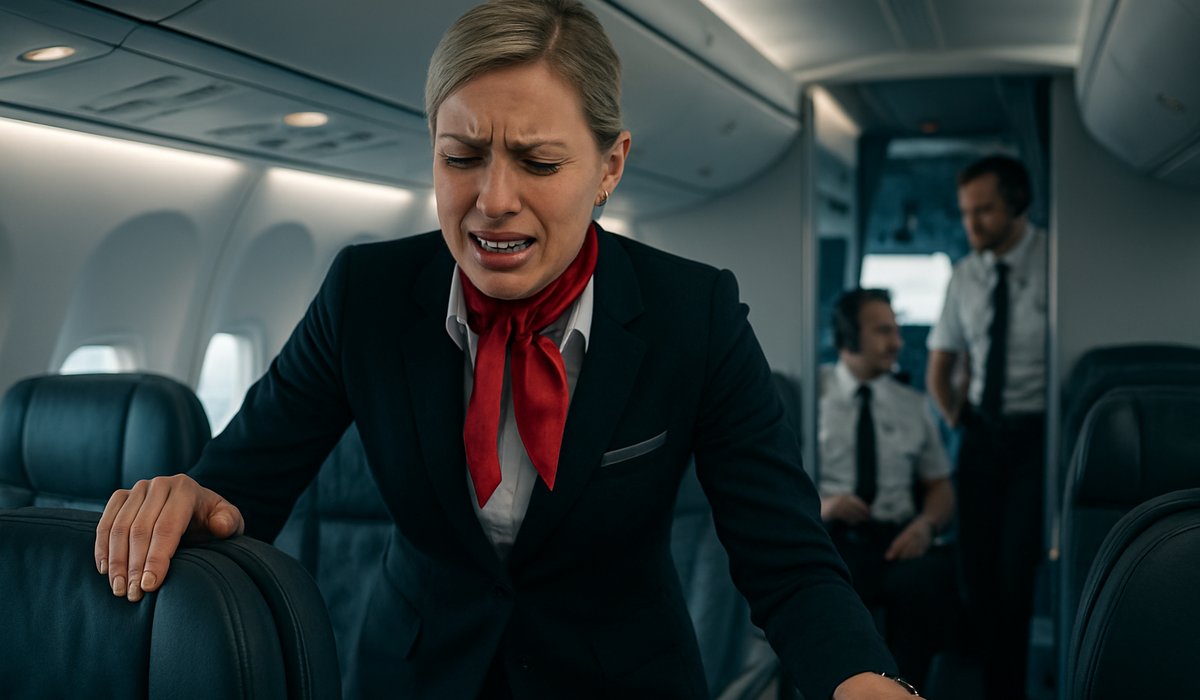
Image generated by AI
How Flight Attendants Experience Turbulence: An Inside Look at What Happens Behind the Cabin Doors
Professional cabin crew reveal the reality of in-flight turbulence and why passengers should remain calm during rough air
The Safety-First Perspective of Aviation Professionals
Flight attendants occupy a unique vantage point in commercial aviation—they experience turbulence from the front lines of passenger safety management rather than from a seated perspective. According to cabin crew professionals, turbulence, while occasionally uncomfortable, remains a routine aspect of air travel that poses minimal risk when proper safety protocols are followed.
The paramount responsibility of flight attendants centers on passenger security throughout all phases of flight, particularly during periods of atmospheric instability. These trained professionals manage turbulent conditions with practiced composure, having encountered countless instances across their careers. Their perspective contrasts sharply with passenger anxiety, rooted in extensive exposure and specialized training.
Understanding Turbulence From the Crew's Viewpoint
Flight attendants describe turbulence as an entirely normal aeronautical phenomenon rather than a cause for alarm. The sensation experienced in the cabin—sudden jolts, swaying, or brief moments of weightlessness—occurs within aircraft engineered to withstand far more severe atmospheric stress than passengers typically encounter.
Cabin crew emphasize that the aircraft structure itself remains secure during turbulent episodes. Modern commercial jets undergo rigorous stress testing and certification processes ensuring they can safely navigate severe weather patterns and air pockets. From the crew's perspective, turbulence represents a predictable challenge managed through established procedures rather than an emergency scenario.
The Critical Role of Passenger Compliance
Flight attendants stress one fundamental requirement: maintaining properly fastened seatbelts throughout flights, particularly when illuminated seatbelt signs are active. This straightforward measure mitigates the primary risk associated with turbulence—unsecured passengers or loose cabin items shifting unexpectedly.
Crew members note that passenger anxiety often exceeds the actual risk level. When travelers understand that flight attendants navigate turbulent conditions routinely as part of standard operations, confidence naturally increases. The visible calm demeanor of cabin crew during rough air provides reassurance that situations remain manageable.
Professional Training and Preparedness
Aviation regulations require comprehensive training for flight attendants addressing emergency procedures, passenger communication, and safety management during adverse conditions. This preparation enables crew members to respond effectively if turbulence unexpectedly intensifies, while simultaneously reassuring passengers through confident communication.
Flight attendants recommend that nervous travelers observe crew behavior during turbulent periods. The fact that cabin service continues or crew members move about the cabin signals that conditions remain within normal operating parameters.
Key Takeaway for Air Travelers
The consistent message from aviation professionals is straightforward: turbulence is uncomfortable but manageable when passengers follow seatbelt guidelines and heed crew instructions. The thousands of commercial flights operating daily encounter atmospheric turbulence without incident, demonstrating the safety systems and expertise that protect travelers in the modern aviation ecosystem.
Frequently Asked Questions
Q: Is turbulence dangerous for modern aircraft? A: No. Commercial aircraft are engineered and tested to withstand severe turbulence far exceeding what passengers typically experience. Turbulence poses negligible structural risk to properly maintained aircraft.
Q: What should passengers do when turbulence occurs? A: Keep your seatbelt fastened, remain seated when the seatbelt sign is illuminated, and follow flight crew instructions. Avoid moving about the cabin during rough air.
Q: Why do flight attendants seem unbothered by turbulence? A: Cabin crew experience turbulence regularly throughout their careers and have extensive training addressing atmospheric disturbances. Their calm demeanor reflects professional familiarity with routine conditions.
Q: Can turbulence cause an aircraft to crash? A: Commercial aviation accidents attributable solely to turbulence are extraordinarily rare. Modern aircraft design, navigation systems, and crew training make such incidents statistically unlikely.
Q: How can nervous flyers manage turbulence anxiety? A: Understanding that turbulence is normal and manageable, maintaining seatbelt compliance, and observing crew behavior during rough air can help reduce anxiety. Many airlines offer resources addressing flight anxiety.
Related Travel Guides
Flight Delay Compensation Guide 2026
Understanding Airline Route Changes
Airport Security Process Updated (2026)
External Resources
Disclaimer
This article is for informational and educational purposes only. It does not constitute legal, financial, or professional advice. While we strive to provide accurate and up-to-date information, travel policies, regulations, and conditions change rapidly. Always verify information with official sources before making travel decisions. Nomad Lawyer makes no representations about the accuracy, reliability, completeness, or suitability of the information provided. Readers should consult qualified professionals for advice specific to their circumstances. The views expressed in this article are those of the author and do not necessarily reflect the views of Nomad Lawyer.
Raushan Kumar
Founder & Lead Developer
Full-stack developer with 11+ years of experience and a passionate traveller. Raushan built Nomad Lawyer from the ground up with a vision to create the best travel and law experience on the web.
Learn more about our team →