
Hyatt's Tianjin Expansion: China's Railway Station Hotel Boom Begins
Hyatt Place Tianjin South Railway Station opens as flagship property, signaling major hospitality expansion across China's Beijing-Tianjin-Hebei region and driving regional tourism growth.

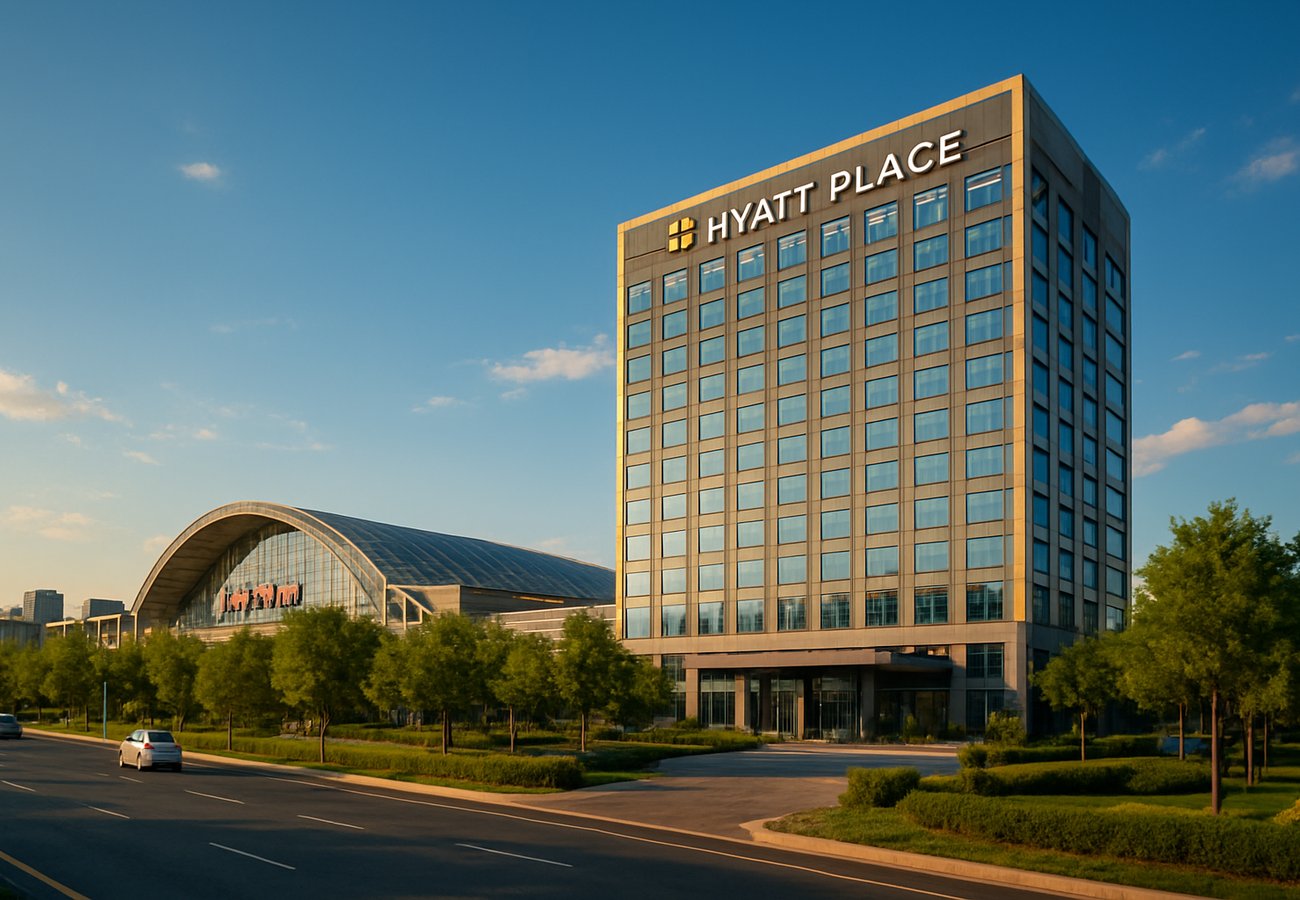
Image generated by AI
Hyatt Makes Bold Move Into Tianjin's Booming Hotel Market
Hyatt Hotels Corporation just threw down the gauntlet in China's competitive hospitality landscape. The company has officially unveiled Hyatt Place Tianjin South Railway Station, marking its first major property entry into Tianjin—a strategic power move that's reshaping how international hotel chains approach the Beijing-Tianjin-Hebei metropolitan corridor.
This isn't just another hotel opening. This is Hyatt announcing to the Asia-Pacific hospitality sector that they're all-in on China's second and third-tier cities. The property sits in Perennial Healthcare City Tianjin, a mixed-use development integrating healthcare services, elder care facilities, and commercial spaces—positioning the hotel as a cornerstone of modern urban development, not just accommodation.
Reddit: "Finally, a decent international hotel at South Railway Station. The accessibility is going to change everything for business travelers in this region." — r/ChinaTravel
Location Is Everything: Railway Station Advantage Unlocked
The hotel's placement at Tianjin South Railway Station isn't accidental. This location offers seamless connectivity to major districts across the entire Beijing-Tianjin-Hebei region, making it an absolute magnet for business travelers, conference attendees, and leisure tourists making the Beijing-to-Tianjin commute.
From the hotel, guests can easily access cultural landmarks like the Five Great Avenues and Yangliuqing Ancient Town—two of Tianjin's most historically significant attractions. The combination of modern hospitality infrastructure and proximity to heritage sites is exactly what drives regional tourism growth in post-industrial cities.
By eliminating the friction between transportation hubs and quality accommodation, Hyatt is encouraging longer stays and higher occupancy rates. That's the economic multiplier effect that local governments and tourism boards are desperately seeking.
The Numbers: 393 Rooms Built for Extended Stays
The property houses 393 guestrooms and suites designed with modern travelers' actual needs in mind—not just aesthetic decisions made by corporate committees.
Each room features:
- Hyatt signature bedding and premium linens
- High-speed Wi-Fi (non-negotiable for business travelers)
- Smart climate control with individual temperature settings
- Separate sleep, work, and relaxation zones (a game-changer for remote workers)
- Select suites with panoramic city views overlooking the Tianjin skyline
- Wet and dry bathroom areas for maximum convenience during extended stays
This room configuration directly targets the market overlap between business travel and workation tourism—guests who aren't sure if they're staying three nights or three weeks. Hyatt clearly understands that the modern traveler needs to function in their hotel, not just sleep there.
The Kitchen: Culinary Tourism as Revenue Driver
The Kitchen, the hotel's all-day dining venue, serves a deliberate blend of Chinese and Western cuisine, with an emphasis on local Tianjin specialties alongside international favorites. The strategy here is transparent: attract both domestic tourists seeking convenience and international visitors looking to experience regional flavors.
Fresh ingredients and seasonal menus aren't just marketing language—they're the foundation of culinary tourism demand. Hotels that nail their F&B operations can generate 30-40% of total revenue from food and beverage services, according to hospitality data. That reality alone explains why major chains are investing heavily in restaurant experiences as core revenue centers, not afterthoughts.
Wellness Amenities: The Recovery Infrastructure
Access to a 24-hour fitness center, indoor heated pool, and yoga studio transforms this property from a transactional stay into a lifestyle choice.
Business travelers maintaining fitness routines means higher satisfaction scores. Wellness-minded guests book longer stays. Extended stays drive occupancy rates. That's the cascading logic that hospitality executives use to justify capital investments in these amenities.
The heated indoor pool is particularly strategic for Tianjin's climate—guests want year-round recreation options, and a climate-controlled aquatic facility delivers that reliably.
Meeting Spaces: MICE Tourism and Corporate Revenue
Hyatt allocated over 3,000 square meters of flexible meeting and event space for conferences, corporate functions, and social events. This isn't decorative square footage—this is profit infrastructure.
MICE tourism (Meetings, Incentives, Conferences, and Exhibitions) drives disproportionately high revenue per guest because:
- Corporate clients don't negotiate rates aggressively
- Multi-day bookings guarantee solid occupancy
- Catering, A/V services, and premium packages spike revenue
- Spillover into local attractions, restaurants, and transportation services
By capturing this market segment, Hyatt is essentially creating a secondary revenue stream that extends far beyond the hotel walls into Tianjin's entire service economy.
World of Hyatt Loyalty: The Competitive Edge
Members of World of Hyatt can earn 500 Bonus Points for qualifying stays between July 1 and September 30, 2026. This promotional strategy serves dual purposes: it incentivizes peak-season bookings during summer travel months, and it locks repeat bookings into the loyalty program.
Loyalty programs aren't just customer retention vehicles—they're data collection engines. Every booking, every room choice, every dining transaction feeds Hyatt's algorithms, enabling more sophisticated personalization and targeted marketing for future stays.
What This Opening Signals About China's Hospitality Future
The Hyatt Place Tianjin South Railway Station opening is more than a single property launch. It's a declaration that international hotel brands are betting seriously on China's metropolitan regions beyond Beijing and Shanghai.
Tianjin, with its 15+ million population and strategic position in the Beijing-Tianjin-Hebei economic zone, represents exactly the kind of underserved market where international hospitality operators can establish brand dominance before competition gets fierce.
This opening will likely trigger a cascade of announcements from competing brands—Marriott, IHG, Accor—all scrambling to secure similar railway station locations across second-tier Chinese cities. The competitive dynamics are intensifying, and hotels that secure premium locations first win the geography game.
The investment in mixed-use development (healthcare, elder care, commercial) also signals a shift toward hospitality properties embedded in larger urban ecosystems rather than standing alone as isolated destinations. That's where the sustainable revenue is headed.
This move wasn't just about opening a hotel—it's about reshaping how travelers think about staying in China's rising metropolitan centers.
Related Travel Guides
Boeing 787 vs. Airbus A330neo: 2026 Aircraft Pricing Breakdown
Travel Chaos Strikes Calgary International: WestJet and Air Canada Crippled by Massive Outages
CDC Medical Tourism Alert: Infection Risks Spike as 2,100+ Cases Reported
Disclaimer
This article is for informational and educational purposes only. It does not constitute legal, financial, or professional advice. While we strive to provide accurate and up-to-date information, travel policies, regulations, and conditions change rapidly. Always verify information with official sources before making travel decisions. Nomad Lawyer makes no representations about the accuracy, reliability, completeness, or suitability of the information provided. Readers should consult qualified professionals for advice specific to their circumstances. The views expressed in this article are those of the author and do not necessarily reflect the views of Nomad Lawyer.
Raushan Kumar
Founder & Lead Developer
Full-stack developer with 11+ years of experience and a passionate traveller. Raushan built Nomad Lawyer from the ground up with a vision to create the best travel and law experience on the web.
Learn more about our team →