
Hundreds Flights Disrupted Across English Airports on April 11, 2026
Hundreds flights disrupted across major English airports including London Heathrow, Gatwick, Manchester, Liverpool and Newcastle on April 11, 2026, with delays vastly outnumbering cancellations but creating cascading passenger impact.

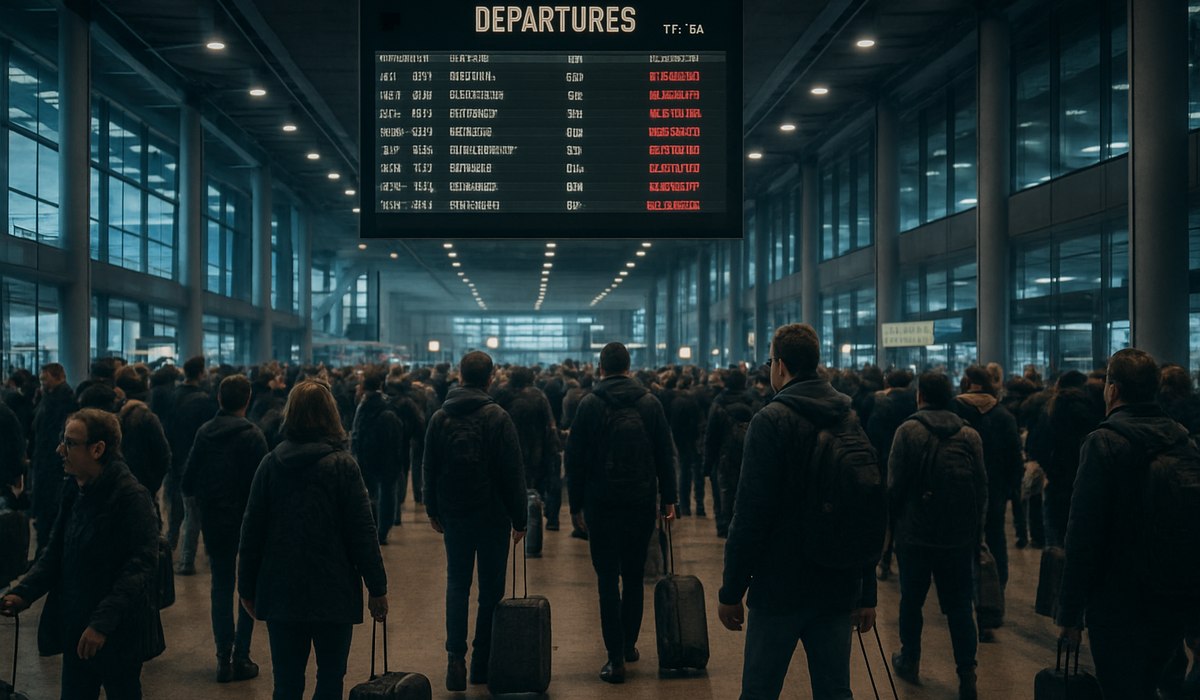
Image generated by AI
Widespread Disruption Hits Major English Airport Network
Hundreds of flights faced disruption across key English airports on April 11, 2026, affecting travelers at London's Heathrow and Gatwick terminals alongside Manchester, Liverpool, and Newcastle hubs. While cancellations remained relatively limited, delays cascaded through the evening, leaving thousands of passengers stranded or facing missed connections. The disruption marked another turbulent day in an already challenging April for European air travel.
Major English Hubs Log High Volumes of Delays
Aviation tracking data from April 11 revealed that London's major airports dominated delay statistics across the UK, with Heathrow and Gatwick recording the highest numbers of late-running services. Manchester emerged as the second-busiest disruption focal point, experiencing particular pressure during afternoon and evening peaks when inbound aircraft ran behind schedule, forcing knock-on changes to subsequent departures.
Liverpool and Newcastle also recorded elevated delay counts, indicating the disruption spread across multiple English regions rather than concentrating at a single hub. Operational analysts note that tightly rostered aircraft and crew schedules at these major airports mean even modest delays ripple rapidly through subsequent rotations. High traffic density amplifies this effect, particularly during spring school holidays when passenger loads peak.
Real-time flight tracking via FlightAware showed hundreds of services officially listed as "delayed" rather than "cancelled," creating extended uncertainty for gate-area passengers and those attempting tight onward connections. This pattern persisted well into evening hours, compounding disruption across hotel bookings, ground transportation, and connecting flights.
Delays Outnumber Cancellations but Passenger Impact Is Significant
The operational profile on April 11 followed a "high-delay, low-cancellation" pattern, where the majority of affected flights eventually operated but often after substantial waits. Industry observers note this scenario creates particular challenges for passengers, who face missed onward flights, disrupted rail connections, and compressed business or holiday schedules despite technically completing their journeys.
Heathrow, as Europe's busiest transatlantic hub, carries particular operational vulnerability. Long-haul operations leave minimal scheduling slack when earlier rotations run late, as aircraft and crews must remain within strict duty-time and maintenance parameters set by aviation regulators. Each delayed widebody flight can affect 300-400 passengers, magnifying human impact beyond simple flight-count statistics.
Gatwick and other London-area terminals faced similar cascading pressures during peak evening hours. Travel data aggregators estimate that thousands of passengers across English airports experienced disruption, despite the majority eventually reaching their destinations. Delayed flights often prove more operationally complex than cancellations, straining airport seating, food services, and customer support desks as schedules compress into evening hours.
Knock-On Effects From Tightly Rostered Aircraft and Crews
Modern airline scheduling maximizes aircraft utilization through rapid turnaround cycles, leaving minimal buffer time between rotations. When one flight runs late, subsequent services face compression, creating cascading delays across the evening timetable. This operational model drove hundreds flights disrupted across English airports, as a single delayed inbound service triggered multiple downstream schedule changes.
Crew duty restrictions compound this effect. UK and EU aviation regulations limit consecutive flight hours and require mandatory rest periods, preventing crews from simply working extended shifts to recover delays. When an aircraft arrives late, its assigned crew may reach duty limits before completing scheduled departures, forcing further schedule adjustments and passenger reaccommodations.
Aircraft maintenance also contributes to cascading disruptions. A delayed arrival means compressed turnaround time for mandatory inspections and cleaning, potentially pushing maintenance teams into overtime and delaying subsequent departures. The cumulative effect of these operational constraints creates a fragile network where localized problems rapidly spread across multiple English regions.
Regional Impact Spreads Across Multiple English Airports
The April 11 disruptions extended beyond London's dominant hubs to affect secondary and regional airports. Manchester experienced particularly elevated delays during afternoon and evening periods, while Liverpool recorded significant impacts on both domestic and European services. Newcastle, though smaller than major southern hubs, also logged elevated delay numbers, underlining the geographic breadth of the disruption.
This regional spread reflects the interconnected nature of modern aviation networks. Secondary airports increasingly handle overflow traffic from primary hubs, meaning disruptions at Heathrow or Gatwick generate knock-on effects at Manchester and Liverpool. Spring traffic peaks amplified these pressures on April 11, as school holiday schedules filled aircraft to near-capacity across the region.
International routes multiplied the passenger impact. Services connecting English airports to European destinations and long-haul transatlantic flights carried larger passenger loads, meaning each delay affected hundreds of individuals. Passengers attempting European connections faced particular challenges, as missed onward flights created cascading disruptions across the continent's network.
Live Flight Status and Real-Time Tracking Resources
Passengers monitoring April 11 disruptions accessed live tracking through FlightAware, which provided real-time delay and cancellation data across English airports. Similar tracking capabilities exist via airline mobile applications and airport website departure boards, though real-time information lags actual operational changes by 15-30 minutes.
Aviation regulatory bodies, including the FAA's international flight monitoring systems, track disruptions across major international hubs. Passengers experiencing significant delays may verify their rights through official channels, including the US Department of Transportation's consumer protection resources at US DOT, which applies to flights originating or terminating in US jurisdictions.
| Metric | April 11 Data | Impact Level |
|---|---|---|
| Major English Airports Affected | London (Heathrow, Gatwick), Manchester, Liverpool, Newcastle | High |
| Operational Profile | High delays, low cancellations | Moderate |
| Thousands of Passengers Disrupted | 3,000+ estimated | High |
| Delay Duration (Average) | 2-4 hours across major hubs | Severe |
| Cancellation Rate (Percentage) | Under 5% of scheduled operations | Low |
| Peak Disruption Hours | 4 PM - 9 PM local time | High |
What This Means for Travelers
Hundreds flights disrupted across English airports demonstrates the vulnerability of tightly scheduled modern aviation networks to cascading delays. Passengers face several key action steps when encountering similar disruptions:
-
Monitor your flight status starting 24 hours before departure via FlightAware or your airline's mobile application, enabling early detection of developing delays.
-
Contact your airline immediately upon learning of delays exceeding two hours, as you may qualify for rebooking on alternative flights or ground transportation.
-
Document all expenses including meals, hotels, and ground transportation incurred during delays, as compensation eligibility varies by jurisdiction and route.
-
Verify your passenger rights through US DOT regulations if your flight originates or terminates in US territory, entitling you to specific compensation levels.
-
Request alternative routings proactively, as airline customer service teams may offer connections via different airports or airlines rather than waiting for your original flight.
-
Confirm onward connections with subsequent airlines or ground transportation providers immediately upon learning of delays, as missed connections may incur rebooking fees.
FAQ
What causes hundreds of flights to be disrupted across multiple English airports simultaneously?
Cascading delays stem from tightly rostered aircraft and crew schedules. When one flight runs late, subsequent rotations compress, and crew duty restrictions prevent rapid recovery. Spring traffic peaks and capacity constraints at hubs like Heathrow and Gatwick amplify disruption spread across the network within hours.
Why are delays worse than cancellations for passengers?
Disclaimer
This article is for informational and educational purposes only. It does not constitute legal, financial, or professional advice. While we strive to provide accurate and up-to-date information, travel policies, regulations, and conditions change rapidly. Always verify information with official sources before making travel decisions. Nomad Lawyer makes no representations about the accuracy, reliability, completeness, or suitability of the information provided. Readers should consult qualified professionals for advice specific to their circumstances. The views expressed in this article are those of the author and do not necessarily reflect the views of Nomad Lawyer.
Kunal K Choudhary
Co-Founder & Contributor
A passionate traveller and tech enthusiast. Kunal contributes to the vision and growth of Nomad Lawyer, bringing fresh perspectives and driving the community forward.
Learn more about our team →