
Hundreds Face Delays at Atlanta's Hartsfield-Jackson Hub in April 2026
More than 240 flights experienced delays at Atlanta's Hartsfield-Jackson International Airport on April 19, 2026, as weather, security congestion, and air traffic restrictions converged to disrupt Delta, Southwest, and American Airlines operations across major domestic and international routes.

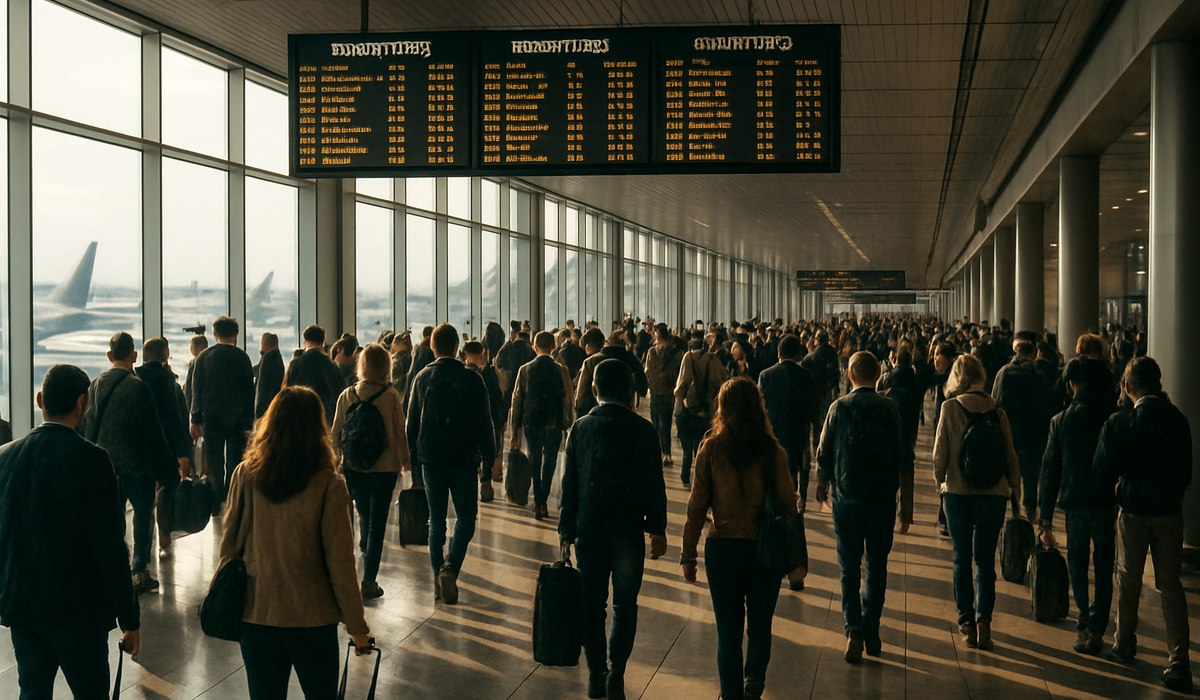
Image generated by AI
Hundreds Face Delays at Atlanta's Hartsfield-Jackson International Airport
More than 240 flights faced delays at Atlanta's Hartsfield-Jackson International Airport on April 19, 2026, as multiple operational challenges converged to disrupt passenger schedules. The disruption affected major U.S. carriers including Delta Air Lines, Southwest Airlines, and American Airlines on key routes spanning Los Angeles, Chicago, and beyond. Approximately four flights were also canceled during the day, creating cascading ripple effects throughout one of the world's busiest aviation hubs.
Disruption Scale and Affected Routes
The scope of hundreds facing delays extended across both domestic and international operations at Hartsfield-Jackson. Flight-tracking data documented approximately 242 departures and arrivals delayed throughout a single operational day, with rolling delays ranging between 30 and 90 minutes during peak afternoon and evening banking windows. The concentration of disruption at such a major connecting hub left thousands of passengers managing missed connections, extended layovers, and congested concourse areas.
Heavy-traffic domestic corridors experienced the most acute impacts, particularly routes linking Atlanta to Los Angeles and Chicago. Select international services using Atlanta as a primary gateway also faced extended hold times and rerouting complications. Delta Air Lines, operating its primary hub at Hartsfield-Jackson, bore substantial operational strain with dozens of domestic departures pushed back and several international flights sliding outside scheduled windows. Southwest and American Airlines, despite operating smaller Atlanta schedules, experienced significant knock-on effects from interconnecting flight disruptions routed through Midwestern hubs.
Low-cost and regional carriers with limited spare aircraft faced constrained options for passenger reaccommodation once flights exceeded connection windows. Airlines offered standard rebooking on later same-day flights where available, though many peak-time departures operated near full capacity, resulting in extended waits for alternative seating, particularly on popular West Coast routes. For detailed real-time information about specific flight status, travelers can consult FlightAware for live tracking updates.
Cascade Effects on Passenger Operations
The operational disruption triggered significant secondary effects throughout Hartsfield-Jackson's passenger network. Aircraft and crew rotations falling behind schedule created compounding delays as subsequent flights drew aircraft late from earlier delayed arrivals. Even the relatively modest number of canceled flights generated substantial knock-on consequences as travelers scrambled to secure scarce available seats on subsequent departures.
Missed connections proliferated as inbound flights arrived too late to feed onward services. Passengers traveling on multi-segment itineraries faced particular challenges, especially those connecting through Atlanta to final destinations on the West Coast or international gateways. Social media reports and passenger testimonials highlighted frustration with crowded ticket counters and extended customer service wait times as airlines processed rebooking requests. The concentration of disruption within a single day at such a critical connectivity hub amplified the overall passenger impact relative to the absolute delay numbers.
Root Causes: Weather, Security, and Traffic Flow
Hundreds facing delays resulted from converging operational factors rather than a single dominant cause. Localized weather patterns across the Southeast created air traffic flow restrictions, reducing airport capacity and extending ground holds. These weather-related restrictions intersected with ongoing recovery from earlier security-related congestion that had burdened Hartsfield-Jackson throughout March and early April 2026.
Prior TSA staffing challenges linked to federal funding disputes had produced extraordinarily long security screening lines, with wait times extending beyond one hour at multiple checkpoints. Although staffing adjustments and operational improvements subsequently reduced screening delays to single-digit minutes by mid-April, the lingering effects on aircraft and crew scheduling continued impacting operations. Air traffic management restrictions imposed by the Federal Aviation Administration further constrained available departure slots, preventing normal traffic flow and accumulating delays throughout the afternoon banking period.
For authoritative information about air traffic restrictions and operational status, the FAA provides real-time updates on airport conditions and traffic management initiatives. Airlines had already extended temporary travel waivers in response to security-related disruptions, allowing passengers to rebook without standard change fees for affected itineraries.
Industry Context and Broader Hub Performance
The April 2026 disruption at Hartsfield-Jackson reflects broader seasonal patterns across major U.S. aviation hubs. Industry analyses indicate that Atlanta's airport experiences uneven performance oscillating between smooth operational days and elevated disruption periods. This disruption, while affecting over 240 flights, does not approach the scale of major winter storms or systemwide ground stops, yet the concentration at America's busiest passenger airport amplifies passenger impact.
Hartsfield-Jackson's role as a primary domestic connectivity hub means that operational challenges directly affect thousands of passenger itineraries daily. The airport's dominance in Delta Air Lines' network means that any operational strain disproportionately impacts the carrier's system-wide operations. Travel analytics outlets characterize spring 2026 as a season of operational stress across hub airports, with staffing constraints, weather variability, and recovery from earlier disruptions creating recurring operational friction.
The Federal Aviation Administration's capacity management initiatives and airlines' tight scheduling practices leave limited operational margins during periods of elevated demand or adverse conditions. For consumer protection information regarding passenger rights during delays and cancellations, the U.S. Department of Transportation provides comprehensive guidance on airline accountability and compensation eligibility.
Key Operational Data
| Metric | Value | Details |
|---|---|---|
| Total Delayed Flights | 242+ | Departures and arrivals affected April 19, 2026 |
| Canceled Flights | 4 | Same-day cancellations requiring rebooking |
| Typical Delay Range | 30–90 minutes | Rolling delays during peak banking windows |
| Primary Affected Carrier | Delta Air Lines | Hub-based operations bore substantial impact |
| Secondary Affected Carriers | Southwest, American Airlines | Smaller Atlanta schedules also disrupted |
| Major Affected Routes | Atlanta–Los Angeles, Atlanta–Chicago | Domestic corridors experienced heaviest delays |
| Delay Duration Timeline | Afternoon–evening banking | Peak disruption during busy departure windows |
| Root Causes | Weather, TSA recovery, air traffic restrictions | Converging operational factors |
What This Means for Travelers
The April 2026 disruption at Hartsfield-Jackson demonstrates the vulnerability of major hub operations to cascading delays. Passengers traveling through or connecting at Atlanta should build additional buffer time into itineraries during peak demand periods. The incident underscores the importance of monitoring real-time flight status through independent tracking services.
Traveler Action Checklist:
- Check current flight status on FlightAware or your airline's website before departing for the airport.
- Arrive at security checkpoints well in advance of departure, accounting for potential screening delays during peak periods.
- Monitor your airline's official communications for travel waivers or waiver policies affecting your itinerary.
- Request rebooking on alternative flights immediately if your flight shows significant delays or cancellations.
- Document your flight itinerary, boarding passes, and booking confirmation in case you need to file compensation claims.
- Review your airline's terms regarding meal vouchers, hotel accommodations, and ground transportation for overnight delays.
- Contact your airline's customer service for guidance on connecting flight protection if experiencing delays.
- Photograph time stamps and delay notices at airport displays for documentation purposes.
- Review the Department of Transportation's passenger rights information before pursuing compensation claims.
- Consider flight delay insurance or credit cards offering trip protection for future high-value travel bookings.
Frequently Asked Questions
**What caused the delays at Atlanta's Hartsfield-Jackson Airport on April 19,
Disclaimer
This article is for informational and educational purposes only. It does not constitute legal, financial, or professional advice. While we strive to provide accurate and up-to-date information, travel policies, regulations, and conditions change rapidly. Always verify information with official sources before making travel decisions. Nomad Lawyer makes no representations about the accuracy, reliability, completeness, or suitability of the information provided. Readers should consult qualified professionals for advice specific to their circumstances. The views expressed in this article are those of the author and do not necessarily reflect the views of Nomad Lawyer.
Preeti Gunjan
Contributor & Community Manager
A passionate traveller and community builder. Preeti helps grow the Nomad Lawyer community, fostering engagement and bringing the reader experience to life.
Learn more about our team →