
Qantas' $128 Billion Fleet Overhaul Signals Major Shift in Asia-Pacific Aviation
Breaking airline news and aviation industry updates for 2026.

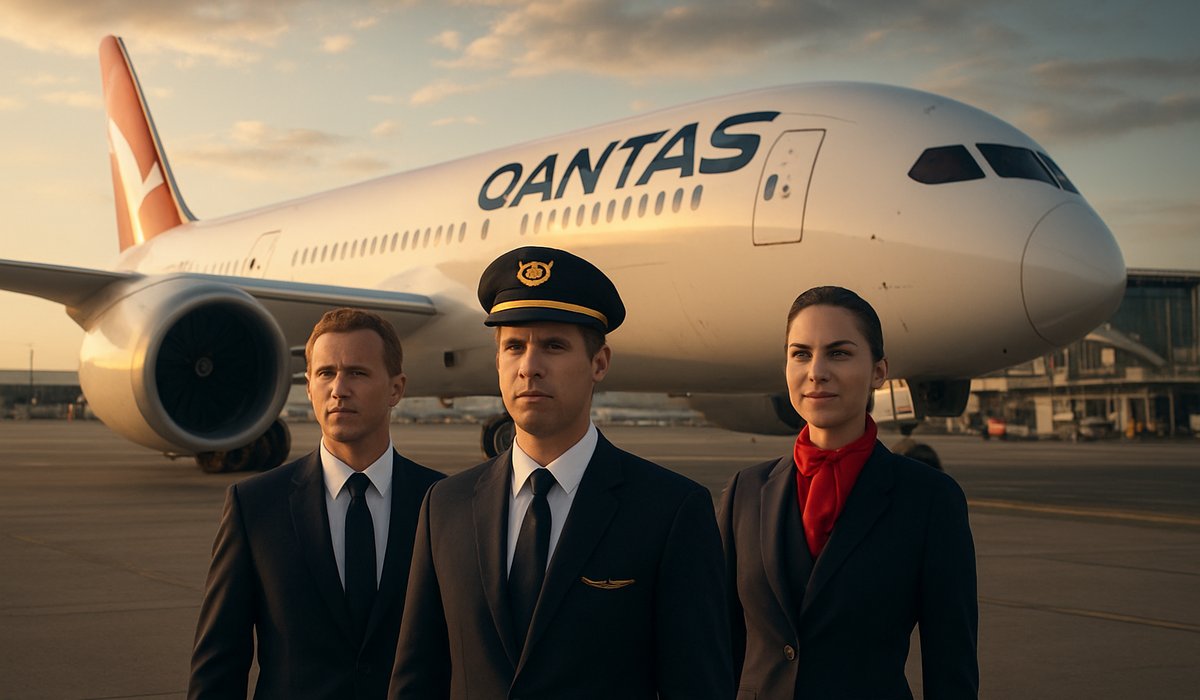
Image generated by AI
Qantas' $128 Billion Fleet Overhaul Signals Major Shift in Asia-Pacific Aviation
Australia's national carrier launches sweeping modernization program that will redefine long-haul connectivity and operational efficiency across the region
Historic Investment Reshapes Australian Aviation
Qantas Airways is executing one of the aviation industry's most ambitious fleet renewal initiatives in recent memory, committing $128 billion to systematically replace aging aircraft with next-generation jets. The comprehensive modernization program represents far more than a simple equipment swap—it signals a fundamental restructuring of how Australia's flag carrier will operate international routes and maintain competitive positioning in an increasingly crowded global marketplace.
The project marks a watershed moment for Qantas, as the airline confronts aging aircraft, mounting fuel efficiency costs, and evolving passenger expectations for modern cabin amenities and connectivity.
New Aircraft Arriving As Expansion Accelerates
New-generation narrowbody and widebody jets are already entering Qantas' operational fleet, accelerating the retirement of legacy aircraft that have accumulated substantial maintenance costs. The incoming aircraft—equipped with advanced avionics, improved fuel efficiency, and enhanced passenger comfort features—will fundamentally alter the airline's capacity and range capabilities.
This timeline compression reflects industry-wide pressure to modernize fleets amid rising jet fuel prices and carbon emission regulations. Airlines globally have faced similar imperatives, with fleet renewal directly impacting airline fees, baggage charges, and ancillary revenue structures as carriers invest in new technology and operational infrastructure.
Broader Strategic Implications for Asia-Pacific Routes
The modernization program directly influences Qantas' ability to sustain profitable operations on ultra-long-haul routes connecting Australia with North America and Europe. Newer aircraft consume significantly less fuel, allowing the airline to reduce operational costs and potentially moderate pricing pressures that have escalated alongside volatile petroleum markets.
Industry analysts note that comprehensive fleet renewal programs typically precede significant route expansion or service enhancements. For Qantas, improved fuel economics translate directly into competitive advantages on capacity-constrained international markets, particularly as the airline navigates post-pandemic demand volatility and geopolitical uncertainties affecting aviation corridors.
The investment also positions Qantas to enhance domestic and regional services, with newer narrowbody aircraft offering superior operational economics on shorter routes where fuel efficiency provides measurable competitive advantages.
Long-Term Competitive Positioning
Qantas' $128 billion commitment underscores the aviation industry's ongoing capital intensity and the premium placed on technological advancement. As competitors pursue similar modernization strategies, the airline's execution timeline and aircraft selection will determine whether it maintains market leadership across premium international segments.
The program's success will influence Qantas' profitability trajectory, dividend capacity, and ability to weather future economic downturns or fuel price spikes—variables that directly impact shareholder returns and stakeholder confidence in Australia's aviation sector.
Frequently Asked Questions
What is driving Qantas' massive fleet renewal program? Aging aircraft incur exponential maintenance costs, while modern jets deliver superior fuel efficiency, lower carbon emissions, and enhanced passenger amenities—critical advantages as airlines compete on environmental sustainability and operational margins.
How will the new fleet impact airline fees and baggage charges? Modern aircraft typically enable improved load factors and operational efficiency, potentially stabilizing or moderating ancillary fee increases as airlines reduce unit operating costs rather than shifting expenses to passengers.
Which aircraft types is Qantas ordering for this modernization? Qantas has ordered Boeing 787 Dreamliners, Airbus A350 widebodies, and next-generation narrowbodies to replace legacy 747s, 767s, and older Airbus fleets deployed on both international and domestic routes.
When will all aircraft be replaced as part of this program? Fleet renewal typically spans 10-15 years, with Qantas targeting substantial completion of the modernization by the early 2030s as new aircraft deliveries accelerate and legacy aircraft retire.
How does this compare with other major airlines' fleet renewal investments? Leading carriers including American Airlines, United Airlines, and European operators have committed comparable or greater capital toward modernization, reflecting industry-wide recognition that fleet renewal directly determines long-term competitiveness and profitability.
Related Travel Guides
External Resources
Disclaimer
This article is for informational and educational purposes only. It does not constitute legal, financial, or professional advice. While we strive to provide accurate and up-to-date information, travel policies, regulations, and conditions change rapidly. Always verify information with official sources before making travel decisions. Nomad Lawyer makes no representations about the accuracy, reliability, completeness, or suitability of the information provided. Readers should consult qualified professionals for advice specific to their circumstances. The views expressed in this article are those of the author and do not necessarily reflect the views of Nomad Lawyer.
Kunal K Choudhary
Co-Founder & Contributor
A passionate traveller and tech enthusiast. Kunal contributes to the vision and growth of Nomad Lawyer, bringing fresh perspectives and driving the community forward.
Learn more about our team →