
Airbus A350-1000 Fuel Consumption During Takeoff: What Airlines Need to Know
Breaking airline news and aviation industry updates for 2026.

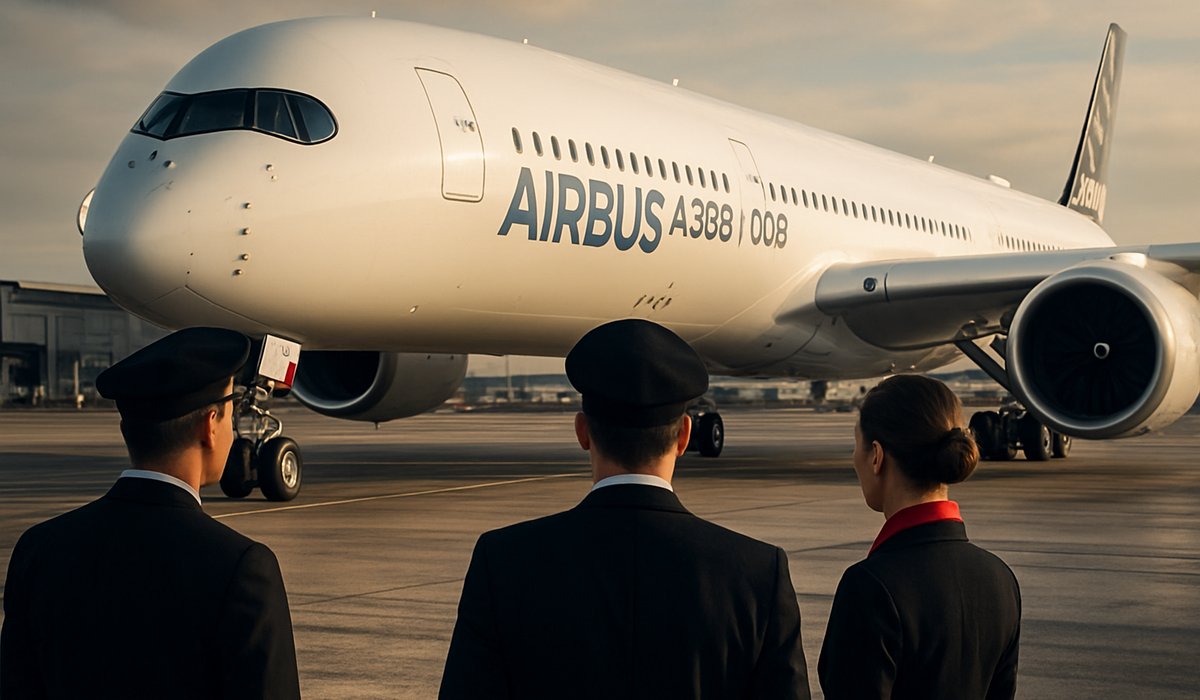
Image generated by AI
Airbus A350-1000 Fuel Consumption During Takeoff: What Airlines Need to Know
The critical first moments of flight reveal why jet fuel costs remain a major driver of airline operating expenses
The Hidden Cost of Every Takeoff
The moment an Airbus A350-1000 releases its brakes and accelerates down the runway represents one of the most fuel-intensive phases of any commercial flight. During those crucial seconds of the takeoff roll—from initial thrust application to wheels-off—the aircraft's twin Rolls-Royce Trent XWB engines operate at maximum power output, consuming vast quantities of jet fuel in a concentrated burst of energy.
Understanding these consumption patterns has become increasingly important as airlines worldwide grapple with volatile jet fuel prices and pressure to optimize operating costs. The A350-1000, one of modern aviation's most technologically advanced widebody aircraft, provides a particularly illuminating case study in how contemporary engineering balances performance demands with fuel efficiency imperatives.
The Numbers Behind the Thrust
The takeoff phase, lasting approximately 45 to 60 seconds depending on runway conditions, aircraft weight, and atmospheric factors, demands sustained maximum thrust from both engines. During this high-energy segment, the A350-1000 consumes fuel at rates significantly higher than cruise operations, though the total volume during this brief window remains a critical operational metric for fleet planners and fuel budgeters.
The Rolls-Royce engines powering this aircraft represent a generational leap in turbofan technology, optimized for long-haul efficiency yet capable of delivering the raw power needed for rapid acceleration on the ground. This engineering paradox—combining efficiency with performance—defines modern commercial aviation.
Industry Implications
For carriers operating the A350-1000, including Qatar Airways, Singapore Airlines, and Cathay Pacific, understanding precise fuel consumption during every flight phase directly impacts bottom-line profitability. Higher jet fuel prices, influenced by geopolitical tensions and global energy market dynamics, make these calculations increasingly consequential.
Airlines strategically manage takeoff procedures—including weight distribution, runway selection, and departure timing—to minimize fuel waste during this unavoidable high-consumption phase. Even marginal improvements in takeoff efficiency across a global fleet translate to millions in annual savings.
The Broader Aviation Context
The A350-1000's fuel characteristics reflect broader industry evolution toward more efficient widebody aircraft. As operators face mounting pressure from environmental regulations and carbon-conscious consumers, minimizing fuel burn across all flight phases—particularly during energy-intensive takeoff—has become a competitive differentiator.
Modern flight planning systems now incorporate detailed takeoff fuel modeling, allowing dispatchers to optimize every departure. This data-driven approach to aviation operations exemplifies how contemporary airlines leverage technology to manage costs in an increasingly complex economic environment.
FAQ: Airbus A350-1000 Fuel Consumption & Aviation Operating Costs
How does jet fuel price volatility affect airline operating expenses? Fuel represents 25-35% of airline operating costs depending on crude oil prices and hedging strategies. When oil prices surge due to geopolitical crises, carriers face immediate pressure to adjust ticket prices, implement surcharges, or reduce flight frequencies.
What makes the Rolls-Royce Trent XWB engines more efficient than earlier turbofans? The Trent XWB features larger bypass ratios, advanced materials, and precision engineering that reduce fuel consumption per pound of thrust compared to previous-generation engines, delivering 25% better fuel efficiency than Airbus A330 powerplants.
How do airlines minimize takeoff fuel consumption operationally? Carriers optimize takeoff through reduced aircraft weights (limiting cargo/passengers), selecting longer runways to reduce thrust requirements, timing departures during cooler weather, and strategic fuel planning before each flight.
Why is takeoff the most fuel-intensive flight phase? Maximum thrust operation from engine start through liftoff demands full power output with zero efficiency optimization, contrasting sharply with cruise altitudes where engines operate at optimized, more economical settings.
Do newer aircraft like the A350-1000 significantly reduce overall airline fuel costs? Yes—the A350-1000 consumes approximately 25% less fuel than comparable widebodies like the A330, delivering substantial cost savings across long-haul networks and improving profitability margins for operators.
Related Travel Guides
Flight Delay Compensation Guide 2026
Understanding Airline Route Changes
Airport Security Process Updated (2026)
External Resources
Disclaimer: Airline announcements, route changes, and fleet information reflect official corporate communications as of April 2026. Schedules, aircraft specifications, and service details remain subject to airline modifications.
Raushan Kumar
Founder & Lead Developer
Full-stack developer with 11+ years of experience and a passionate traveller. Raushan built Nomad Lawyer from the ground up with a vision to create the best travel and law experience on the web.
Learn more about our team →