
Boeing 747 Fuel Efficiency Unveiled: Why This Iconic Jet Burns 3,800 Gallons Per Hour
Breaking airline news and aviation industry updates for 2026.

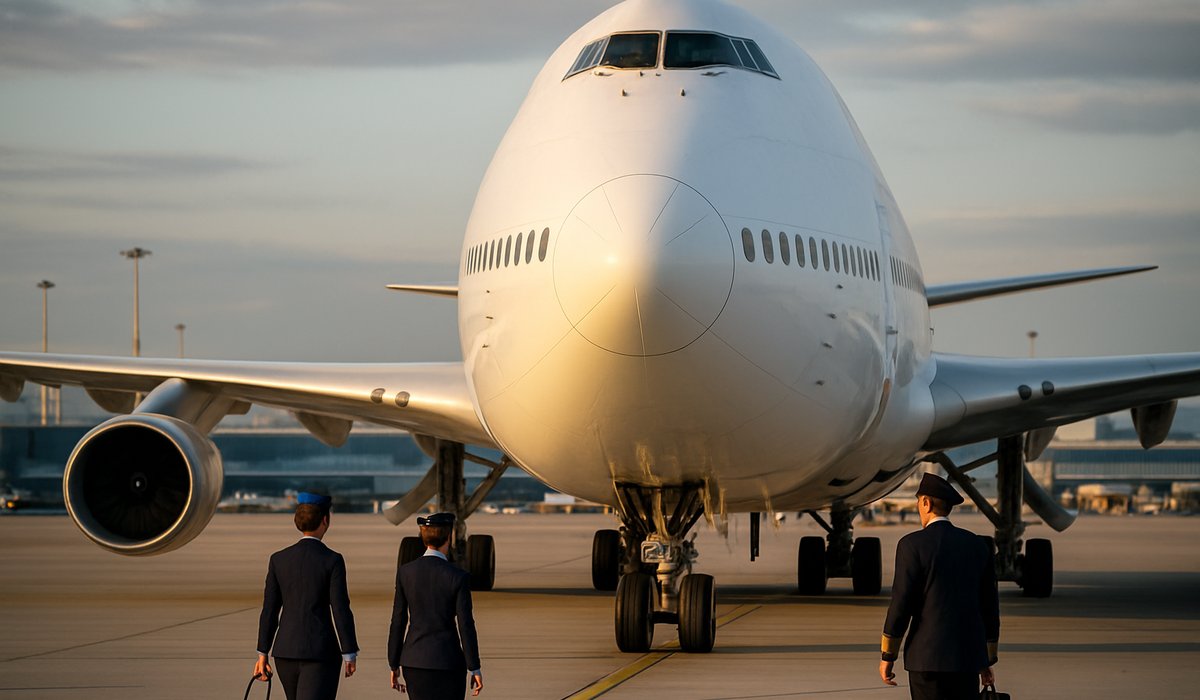
Image generated by AI
Boeing 747 Fuel Efficiency Unveiled: Why This Iconic Jet Burns 3,800 Gallons Per Hour
As airlines grapple with volatile jet fuel prices, understanding aircraft efficiency becomes critical to explaining rising ticket costs and baggage fees
The Staggering Fuel Consumption Behind Aviation's Most Iconic Jetliner
The Boeing 747, one of aviation's most recognizable aircraft, carries a hidden cost that directly impacts global travel expenses: it consumes approximately 3,800 gallons of jet fuel every single hour of flight. This translates to a sobering 0.9 gallons burned every second, or just 0.19 miles per gallon—a figure that underscores why fuel surcharges and ancillary aviation fees have become industry staples.
For context, this four-engine widebody aircraft achieves fuel efficiency rates comparable to a large truck traveling on a highway. While this appears inefficient in isolation, the 747's ability to carry up to 416 passengers across intercontinental routes means the per-passenger fuel consumption tells a different story—one increasingly relevant as airlines navigate record fuel price volatility.
Understanding Per-Passenger Efficiency in Long-Range Aviation
When fuel consumption is distributed across the 747's maximum passenger capacity, the efficiency metric shifts dramatically. A fully loaded 747 achieves approximately 80-100 passenger-miles per gallon, making it far more economical on a per-traveler basis than smaller regional aircraft operating shorter routes. This efficiency advantage has historically justified the 747's operational costs for major carriers operating dense, long-haul networks.
However, load factors and fuel prices remain critical variables. Recent years have witnessed dramatic fluctuations in jet fuel costs—ranging from under $1 per gallon during demand collapses to over $3 per gallon during supply constraints and geopolitical tensions. These price swings directly cascade into consumer ticket prices, fuel surcharges, and expanded baggage fees across the aviation industry.
The Broader Impact on Travel Costs and Airline Economics
Airlines operating large, fuel-intensive fleets like the 747 face mounting pressure to optimize routes and passenger loads. When jet fuel prices spike, carriers respond by increasing ticket prices, implementing dynamic baggage charges, and reducing fuel-inefficient services. The aviation industry's reliance on petroleum products makes it uniquely vulnerable to global supply disruptions, whether from conflicts in oil-producing regions or production cuts by major exporters.
Modern narrowbody aircraft, such as the Boeing 787 and Airbus A350, achieve superior fuel efficiency per available seat-mile, prompting carriers to retire aging widebody fleets. This transition reflects the industry's ongoing battle to manage rising operational costs while maintaining competitive pricing.
FAQ: Boeing 747 Fuel Efficiency and Aviation Economics
How does Boeing 747 fuel consumption compare to modern aircraft? Modern widebodies like the 787 and A350 consume 20-30% less fuel per available seat-mile, making them increasingly preferred for long-haul operations.
Why do airlines charge baggage fees when fuel costs rise? Fuel surcharges and ancillary fees offset volatile jet fuel prices, which directly impact operating margins on thin-margin airline routes.
Does a full 747 really achieve 80-100 passenger-miles per gallon? Yes, when fully loaded. Partially filled aircraft significantly reduce per-passenger efficiency, explaining why load factors are critical to airline profitability.
How do fuel prices affect ticket costs? A $1 per-gallon increase in jet fuel can add $10-20 to transcontinental fares, depending on aircraft type and route distance.
Why hasn't the 747 been replaced entirely? Its cargo capacity and long-range capability make it valuable for freight operations, though passenger services continue declining globally.
Related Travel Guides
Flight Delay Compensation Guide 2026
Understanding Airline Route Changes
Airport Security Process Updated (2026)
External Resources
Disclaimer
This article is for informational and educational purposes only. It does not constitute legal, financial, or professional advice. While we strive to provide accurate and up-to-date information, travel policies, regulations, and conditions change rapidly. Always verify information with official sources before making travel decisions. Nomad Lawyer makes no representations about the accuracy, reliability, completeness, or suitability of the information provided. Readers should consult qualified professionals for advice specific to their circumstances. The views expressed in this article are those of the author and do not necessarily reflect the views of Nomad Lawyer.
Preeti Gunjan
Contributor & Community Manager
A passionate traveller and community builder. Preeti helps grow the Nomad Lawyer community, fostering engagement and bringing the reader experience to life.
Learn more about our team →