
How Corrientes and Paraguay Are Unlocking the Iberá Wetlands
How Corrientes and Paraguay Are Unlocking the Iberá Wetlands

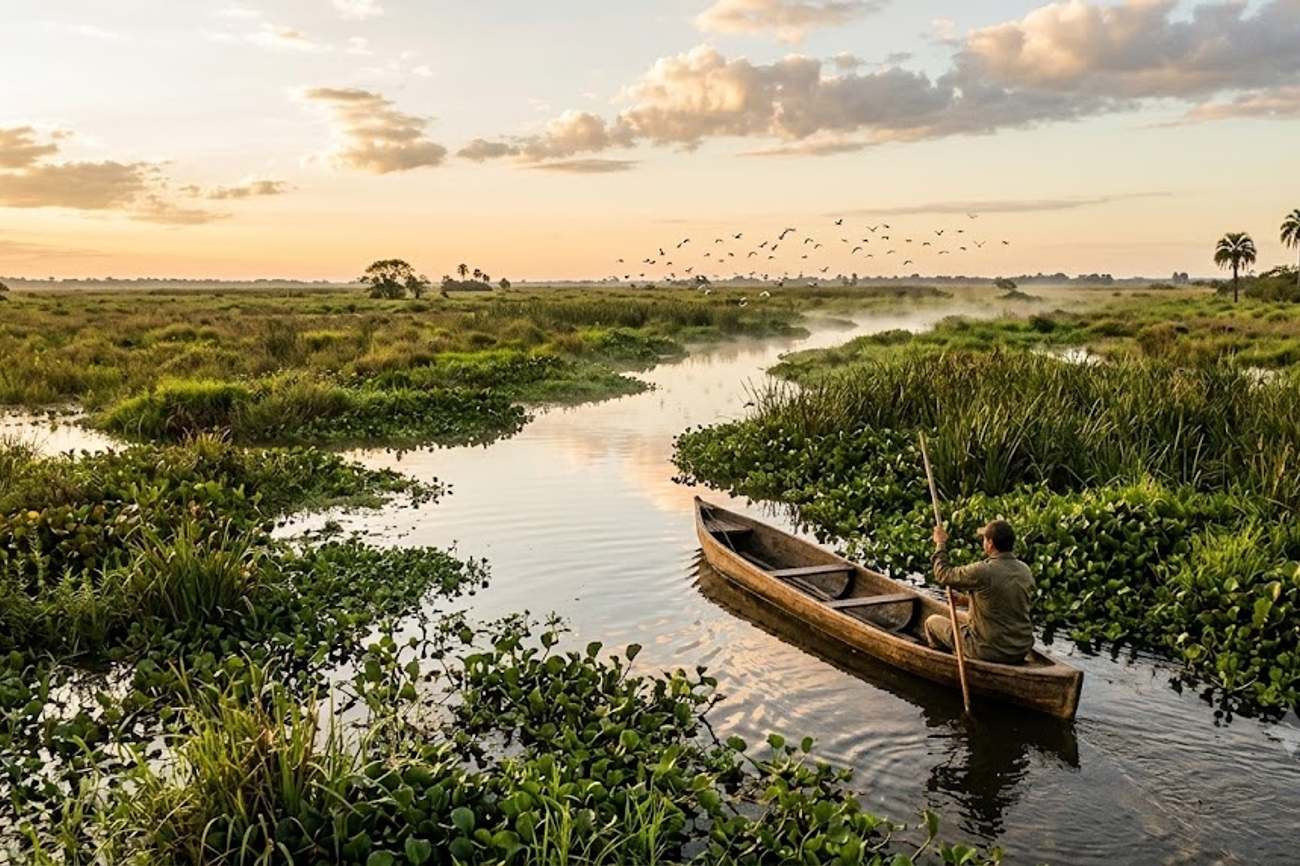
Image generated by AI
title: Argentina and Paraguay Launch Bilateral Ecotourism Pact for Iberá Wetlands date: 2024-05-22 category: Global Travel tags: [Corrientes, Senatur, Esteros del Iberá, Argentina-Paraguay Border 2024, South America Ecotourism]
[Corrientes, May 2024] — The government of Corrientes and Paraguay’s National Tourism Secretariat (Senatur) have signed an unprecedented bilateral agreement to unify the management, conservation, and international promotion of the Esteros del Iberá. This strategic alliance marks the first time these two jurisdictions have synchronized their governance to protect one of the planet's most critical freshwater ecosystems.
The joint work agenda aims to dissolve historical administrative barriers that have previously treated the wetlands as a fragmented territory. By treating the Iberá Wetlands as a single, cohesive ecological entity rather than two separate national zones, the initiative seeks to streamline the visitor experience for global travelers while implementing rigorous, cross-border environmental safeguards. The collaboration focuses on three primary pillars: the harmonization of tourist circuits, the simplification of border-crossing logistics for eco-tourists, and the launch of unified global marketing campaigns to attract high-value, low-impact tourism from North America, Europe, and Asia.
The Catalyst for Bi-National Governance
The immediate driver for this agreement is the geographic reality of the Iberá Wetlands, which naturally extend across the Argentine-Paraguayan border. For years, conservation efforts were siloed by national boundaries, leading to inconsistent habitat management and logistical friction for international researchers and tourists. Regional environmental ministries have provided data confirming that habitat fragmentation is a primary threat to native fauna; consequently, the creation of unified conservation corridors is now the top priority.
By pooling resources, Corrientes and the Secretaría Nacional de Turismo (SENATUR) are attempting to scale their protection models. This shift is not merely administrative but biological. The agreement establishes joint monitoring protocols to protect reintroduced species that do not recognize political borders, specifically the jaguar, the marsh deer, and the giant otter. The goal is to ensure that the migration patterns of these apex predators are not interrupted by divergent land-use policies on either side of the border.
Markets and Territories Impacted
The scope of this agreement affects a wide array of stakeholders, from government regulators to independent backpackers and luxury eco-tour operators. The following sectors are seeing immediate changes:
- International Tour Operators: Agencies specializing in South American biodiversity can now market "Mega-Destination" itineraries that span both countries without the previous logistical hurdles of disjointed park systems.
- Regional Hospitality Providers: Eco-lodges and community-based guest houses in both Corrientes and the bordering Paraguayan regions are being integrated into a certified value chain, ensuring they meet strict sustainability benchmarks.
- Environmental Researchers: Scientists studying freshwater ecosystems now have a streamlined framework for cross-border data sharing and field research.
- Border Control Agencies: Customs and immigration officials are implementing new protocols designed specifically for "eco-travellers" to reduce transit times between the two nations within the wetland sanctuary.
What This Means for Travelers
For the average traveler, this corporate and governmental shift translates into a significantly easier planning process. Previously, visiting the full extent of the Iberá Wetlands required navigating two different sets of regulations, two different sets of maps, and often two different languages of administration.
Plain-Language Impact Assessment:
- Simplified Logistics: You will soon see the rollout of bilingual digital portals and standardized transit maps. This means you can book a single itinerary that moves from Argentina into Paraguay without needing to coordinate two separate, disconnected tour companies.
- Certified Quality Control: The introduction of "certified eco-lodges" means travelers no longer have to guess which accommodations are actually sustainable. If a lodge is certified by the Corrientes government or Senatur, it adheres to specific environmental standards regarding waste and energy.
- Guided Access: The agreement prioritizes community-based models. Travelers will find an increase in certified local guides and indigenous artisans, moving the economic benefit of tourism directly into the hands of the people living within the ecosystem.
- Strict Access Rules: Be prepared for tighter restrictions. To prevent "over-tourism," certain breeding grounds are now strict zoning areas. You may find some previously accessible areas are now off-limits to protect wildlife, requiring a certified guide for entry.
The Roadmap for Sustainable Expansion
Moving forward, the focus shifts toward the deployment of the unified international promotional strategy. Senatur and Corrientes officials are currently presenting the wetlands at global trade shows, rebranding the region as a singular sanctuary of biodiversity. This is part of a broader effort to pivot away from mass tourism and toward a "low-impact, high-value" model.
The next phase of the rollout includes the implementation of joint scientific monitoring teams. These teams will track water quality and flora health in real-time to ensure that the increase in international visitors does not result in a negative ecological footprint. The long-term objective is to create a global gold standard for how two sovereign nations can co-manage a shared natural wonder. Travelers should expect a steady increase in available infrastructure—such as improved signage and coordinated shuttle services—over the coming months as the bilateral agenda moves from the planning phase to full operational status.
To ensure compliance with these new standards, visitors are encouraged to consult the official guidelines provided by the Government of Corrientes and the Paraguayan tourism authorities before finalizing their travel dates.
FAQ: Iberá Wetlands Travel 2024
When is the best time to visit the Iberá Wetlands? The dry season is the optimal window for wildlife viewing. As water levels recede, animals congregate around permanent lagoons and waterways, making it significantly easier to spot jaguars, giant otters, and diverse bird species.
How do I ensure my accommodation is environmentally friendly? Only book through eco-lodges that carry official certification from the Corrientes government or Senatur. These establishments are audited for their adherence to strict sustainability and conservation standards.
What gear is essential for a cross-border wetland expedition? Pack lightweight, light-colored clothing to avoid attracting insects and blend into the environment. High-quality binoculars and professional-grade insect repellent are mandatory for comfort and wildlife observation.
Do I need different permits for the Argentine and Paraguayan sides? The new bilateral agreement is designed to streamline this process. While standard passport and visa requirements for each country still apply, the tourist circuits and information networks are being unified to simplify the experience.
The border is disappearing for the wildlife; now it is disappearing for the traveler.
Related Travel Guides
- Indian Railways Expands Premium Network With 16-Coach Sleeper Vande Bharat Service Between Delhi and Varanasi
- Malta, A Mediterranean Island in Europe Drives Tourism Growth in 2026 with Record Visitor Demand: All You Need to Know
- Türkiye Beats United Kingdom And More As Baku Race Event Sparks A New Era Of Azerbaijan Travel Growth
Disclaimer
This article is for informational and educational purposes only. It does not constitute legal, financial, or professional advice. While we strive to provide accurate and up-to-date information, travel policies, regulations, and conditions change rapidly. Always verify information with official sources before making travel decisions. Nomad Lawyer makes no representations about the accuracy, reliability, completeness, or suitability of the information provided. Readers should consult qualified professionals for advice specific to their circumstances. The views expressed in this article are those of the author and do not necessarily reflect the views of Nomad Lawyer.
Naina Thakur
Contributor & Travel Specialist
Travel enthusiast and legal writer covering visa regulations, responsible tourism, and cultural journeys across global destinations.
Learn more about our team →