
How Advanced Aircraft Lighting Systems are Revolutionizing Passenger Comfort and Airline Branding
Breaking airline news and aviation industry updates for 2026.

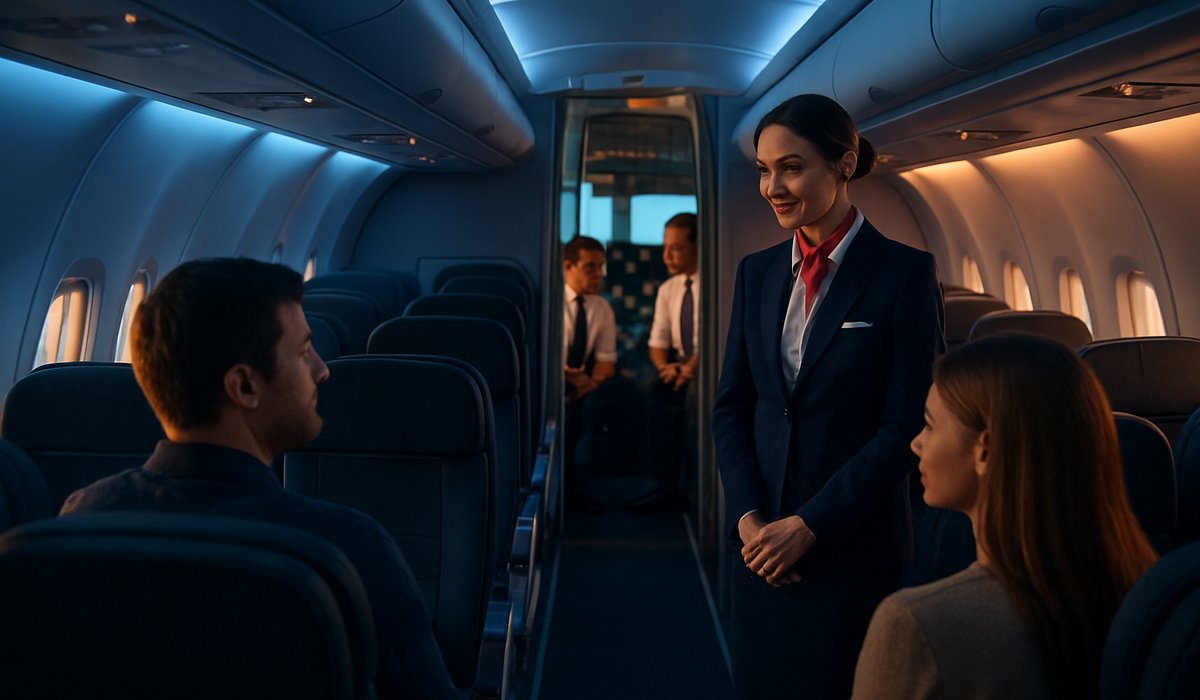
Image generated by AI
How Advanced Aircraft Lighting Systems are Revolutionizing Passenger Comfort and Airline Branding
Airlines invest heavily in cutting-edge cabin illumination technology to combat jet lag, enhance wellbeing, and strengthen brand loyalty among international travelers
The Science Behind Modern Cabin Lighting
Today's commercial aircraft are equipped with far more than standard overhead lights. Airlines are deploying sophisticated lighting systems engineered to influence passenger physiology and psychology during flight—a strategic shift that reflects growing competition in premium cabin experiences and the industry's commitment to passenger wellness.
These intelligent lighting configurations extend beyond basic visibility. Modern systems utilize circadian rhythm-aligned technology to help travelers manage biological disruption caused by long-haul flights. By strategically adjusting color temperature and intensity throughout the flight duration, carriers can significantly reduce jet lag symptoms and improve sleep quality among economy and business-class passengers alike.
Biological Impact and Passenger Recovery
Research increasingly demonstrates that cabin lighting directly influences melatonin production—the hormone governing sleep cycles. Forward-thinking airlines now employ dynamic lighting systems that simulate natural daylight patterns, gradually shifting toward warmer tones during evening hours to promote restful sleep. This approach addresses a critical challenge in aviation: helping passengers adjust to rapid time-zone transitions and arrive at destinations in optimal physical condition.
The financial implications are substantial. Airlines recognizing the connection between passenger comfort and brand loyalty are investing millions in lighting infrastructure upgrades. These expenditures reflect a broader industry trend toward holistic wellness amenities as carriers compete for high-value international travelers increasingly conscious of health impacts during extended flights.
Branding and Passenger Experience
Beyond physiological benefits, cabin lighting has become a powerful branding tool. Premium carriers now employ customized color schemes, dynamic mood lighting, and architectural illumination that reinforce airline identity and create memorable onboard experiences. This differentiation strategy proves particularly valuable in crowded markets where cabin service and product quality heavily influence passenger loyalty and willingness to pay premium fares.
Airlines report that passengers traveling in thoughtfully lit cabins demonstrate improved satisfaction scores and express greater likelihood to book repeat flights with the same carrier. These metrics directly impact customer retention and revenue, explaining why even budget carriers increasingly view lighting investments as essential operational expenditures rather than luxury amenities.
Future Trajectory
As aviation continues its post-pandemic recovery and fuel costs stabilize, expect intensified competition centered on passenger experience innovations. Cabin lighting technology represents a sophisticated yet underappreciated component of this competitive landscape, directly addressing traveler wellbeing while simultaneously strengthening brand differentiation and loyalty.
FAQ: Aircraft Cabin Lighting and Passenger Experience
Q: How does cabin lighting affect jet lag during international flights? A: Modern circadian-aligned lighting systems adjust color temperature and intensity throughout flight duration to help regulate melatonin production, reducing biological disruption and enabling faster adjustment to destination time zones.
Q: What types of airlines are investing in advanced cabin lighting systems? A: Both premium international carriers and increasingly budget airlines recognize lighting technology's impact on passenger satisfaction, with investments spanning economy through first-class cabin configurations.
Q: Can cabin lighting improve passenger sleep quality on long-haul flights? A: Yes—strategic use of warm, dimmed lighting during nighttime flight hours encourages natural sleep patterns, while cooler tones during daytime simulate daylight and promote wakefulness.
Q: How do airlines use lighting for brand identity? A: Carriers employ customized color schemes, dynamic mood lighting, and architectural illumination patterns that reinforce brand recognition and create distinctive onboard experiences differentiating them from competitors.
Q: Does better cabin lighting justify premium ticket pricing? A: Airlines increasingly market wellness features including advanced lighting as justification for higher fares, particularly among business and premium leisure travelers prioritizing comfort on extended journeys.
Related Travel Guides
Flight Delay Compensation Guide 2026
Understanding Airline Route Changes
Airport Security Process Updated (2026)
External Resources
Disclaimer
This article is for informational and educational purposes only. It does not constitute legal, financial, or professional advice. While we strive to provide accurate and up-to-date information, travel policies, regulations, and conditions change rapidly. Always verify information with official sources before making travel decisions. Nomad Lawyer makes no representations about the accuracy, reliability, completeness, or suitability of the information provided. Readers should consult qualified professionals for advice specific to their circumstances. The views expressed in this article are those of the author and do not necessarily reflect the views of Nomad Lawyer.
Kunal K Choudhary
Co-Founder & Contributor
A passionate traveller and tech enthusiast. Kunal contributes to the vision and growth of Nomad Lawyer, bringing fresh perspectives and driving the community forward.
Learn more about our team →