
How Airline Cabin Crew Stay Alert and Rested During Marathon 19-Hour Flights
Breaking airline news and aviation industry updates for 2026.

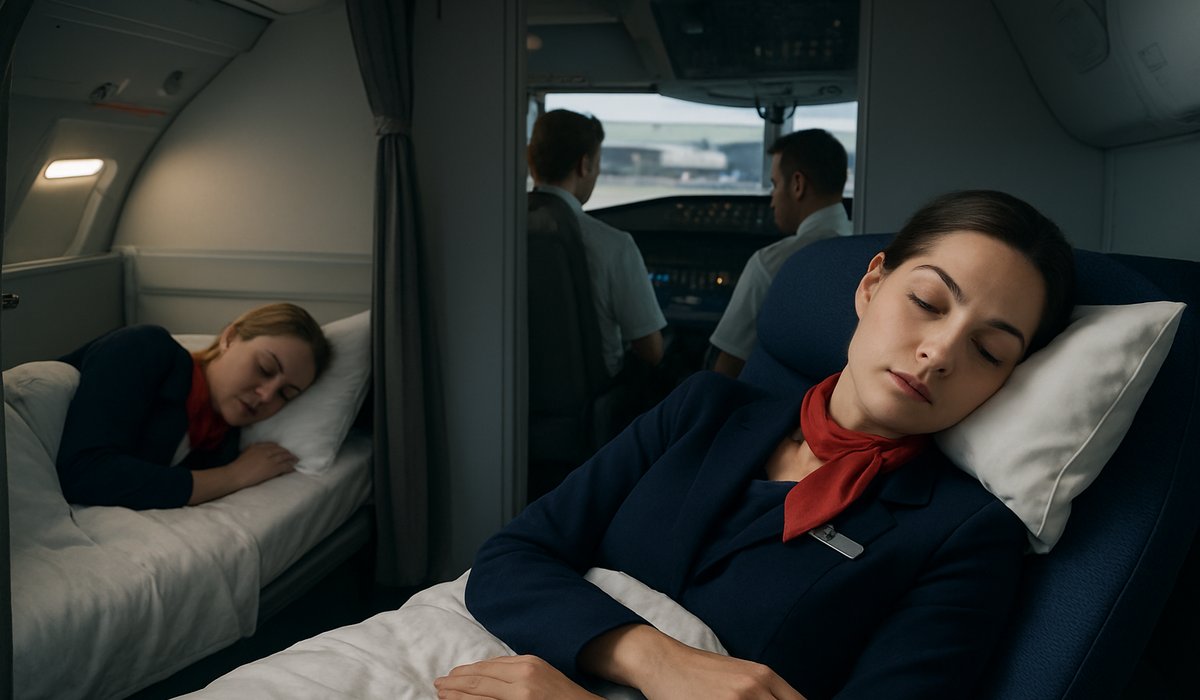
Image generated by AI
How Airline Cabin Crew Stay Alert and Rested During Marathon 19-Hour Flights
Inside the hidden world of crew rest compartments, fatigue management protocols, and the aviation safety regulations keeping ultra-long-haul operations running smoothly
The Growing Challenge of Ultra-Long-Haul Aviation
Modern commercial aviation has entered an era of extreme endurance flying. Today's airlines operate regular services spanning 15, 17, and even 19 hours nonstop—routes that didn't exist just two decades ago. While passengers grapple with jet lag and cramped seating, a critical but often overlooked challenge confronts the aviation industry: how to keep cabin crew physically and mentally alert throughout these grueling operations.
The International Air Transport Association estimates that crew fatigue represents a significant operational challenge on long-haul routes, yet most travelers remain unaware of the sophisticated systems airlines have implemented to address it. Understanding these mechanisms is essential not only for passenger safety but also for appreciating the logistics underlying modern global aviation.
Mandatory Rest Protocols and Crew Rotation
Airlines operating transoceanic ultra-long-haul flights are bound by strict International Civil Aviation Organization (ICAO) regulations that mandate scheduled rest periods for flight attendants. Unlike pilots, who have access to dedicated rest compartments, cabin crew traditionally work in shifts, with designated team members rotating out of service to recover.
On flights exceeding 14 hours, major carriers typically deploy expanded crew complements—sometimes 10 to 14 flight attendants instead of the standard six—to ensure adequate rest rotation. This approach allows crew members to take staggered breaks in designated aircraft areas, typically lasting 30 minutes to two hours depending on flight duration and cabin configuration.
Rest Compartments and Recovery Spaces
Many wide-body aircraft operated on ultra-long-haul routes feature hidden rest compartments, usually accessed via stairways near the cockpit or within upper-deck configurations on Boeing 777 and Airbus A380 aircraft. These specialized spaces provide pilots with private sleeping quarters, typically equipped with bunk beds, creating a controlled environment for genuine restorative sleep.
While pilots benefit from these dedicated facilities, cabin crew members traditionally rest in crew lounges or empty galley areas. Some premium carriers have experimented with enhanced crew rest zones featuring improved seating, privacy partitions, and climate control to maximize recovery quality during brief respites.
Fatigue Management in the Aviation Industry
Fatigue-related incidents remain a persistent concern within commercial aviation. The Flight Safety Foundation has highlighted crew rest quality as directly correlating to operational performance and passenger safety outcomes. Airlines increasingly invest in fatigue risk management systems—sophisticated software analyzing crew scheduling patterns, sleep science data, and circadian rhythm factors to optimize staffing on demanding routes.
Cabin crew typically experience significant circadian disruption on ultra-long-haul operations, making rest quality as important as duration. Strategic timing of breaks, cabin lighting management, and nutritional support all factor into comprehensive fatigue mitigation strategies employed by leading carriers.
Industry Standards and Future Development
As airlines continue expanding their ultra-long-haul networks—with future point-to-point services potentially exceeding 20 hours—regulatory bodies and manufacturers are rethinking crew rest infrastructure. The push toward expanded crew compartments and enhanced recovery facilities reflects aviation's commitment to balancing operational efficiency with crew welfare and passenger safety.
Frequently Asked Questions
Q: How long can cabin crew legally work on a single flight? A: Regulations vary by jurisdiction, but ICAO guidelines typically limit continuous flight attendant duty to 14 hours, with mandatory rest provisions on longer operations.
Q: Do all wide-body aircraft have crew rest compartments? A: No—dedicated rest compartments are primarily available for pilots on aircraft like the Boeing 777, 787, and Airbus A380. Cabin crew arrangements differ significantly between carriers.
Q: How does crew fatigue affect airline safety? A: Studies demonstrate that fatigued crew members show delayed reaction times and impaired decision-making. This is why fatigue management is considered a critical safety component in aviation operations.
Q: What happens if cabin crew don't get adequate rest? A: Airlines face regulatory penalties and operational disruptions. More critically, inadequate rest compromises crew alertness during emergency situations, representing a genuine safety risk.
Q: Are ultra-long-haul flights becoming more common? A: Yes—airlines increasingly operate 15+ hour services as aircraft technology improves and market demand grows for direct long-distance connectivity.
Related Travel Guides
Flight Delay Compensation Guide 2026
Understanding Airline Route Changes
Airport Security Process Updated (2026)
External Resources
Disclaimer
This article is for informational and educational purposes only. It does not constitute legal, financial, or professional advice. While we strive to provide accurate and up-to-date information, travel policies, regulations, and conditions change rapidly. Always verify information with official sources before making travel decisions. Nomad Lawyer makes no representations about the accuracy, reliability, completeness, or suitability of the information provided. Readers should consult qualified professionals for advice specific to their circumstances. The views expressed in this article are those of the author and do not necessarily reflect the views of Nomad Lawyer.
Raushan Kumar
Founder & Lead Developer
Full-stack developer with 11+ years of experience and a passionate traveller. Raushan built Nomad Lawyer from the ground up with a vision to create the best travel and law experience on the web.
Learn more about our team →