
Boeing's MQ-25 Stingray Drone Achieves Historic First Flight, Redefining Naval Aviation Command Structure
Breaking airline news and aviation industry updates for 2026.

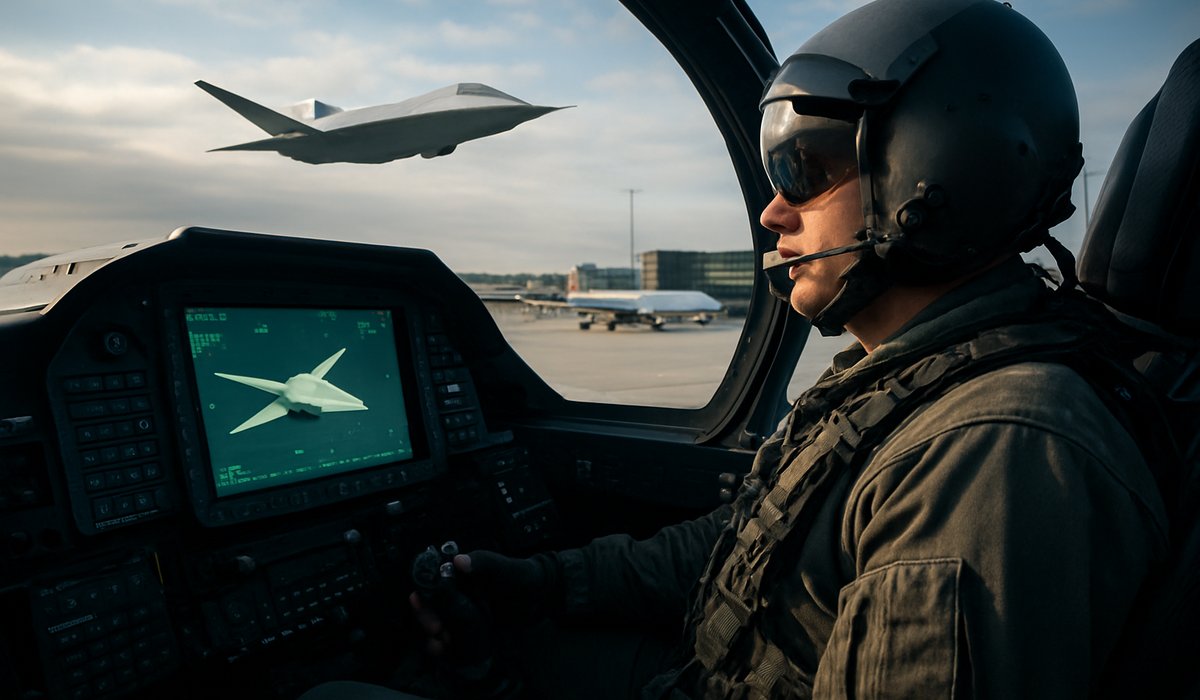
Image generated by AI
Boeing's MQ-25 Stingray Drone Achieves Historic First Flight, Redefining Naval Aviation Command Structure
The U.S. Navy's new carrier-based unmanned aircraft marks a breakthrough in pilot-drone integration, allowing fighter pilots to control refueling operations from the cockpit
Revolutionary Cockpit Integration for Naval Warfare
Boeing has successfully executed the maiden flight of its MQ-25A Stingray unmanned aerial system, completing a critical milestone that fundamentally reshapes how the U.S. Navy will conduct carrier operations. The breakthrough achievement signals a paradigm shift in manned-unmanned teaming, where traditional fighter pilots can now command autonomous refueling and reconnaissance assets directly from their Super Hornet and Super Growler cockpits—eliminating the need for separate ground-based operators.
This integration represents the next generation of naval aviation strategy, combining the tactical awareness of experienced combat pilots with the endurance and efficiency capabilities of unmanned systems. The development arrives as military branches worldwide pursue advanced autonomous platforms to extend operational range and reduce pilot workload during extended missions.
Expanding Mission Capabilities Beyond Fuel Transfer
While the Stingray's primary operational role centers on aerial refueling for carrier-based fighter squadrons, the platform delivers substantial secondary capabilities in intelligence, surveillance, and reconnaissance (ISR). This dual-functionality architecture allows naval strike fighter units to gather critical battlefield information while maintaining fuel reserves for extended combat operations—a capability that fundamentally changes tactical planning for carrier air wing commanders.
The aircraft's carrier-compatible design enables seamless integration with existing Navy Air Wing operations, allowing launches and recoveries from standard flight decks without requiring infrastructure modifications. The system accommodates the demanding maritime environment, featuring corrosion-resistant materials and specialized systems engineered for salt-spray exposure and catapult-assisted takeoff procedures.
Strategic Implications for Naval Power Projection
The MQ-25 represents a substantial investment in extending the operational range and endurance of carrier-based aviation assets. By eliminating the need for traditional tanker aircraft conversions, the Navy gains significant deck space for additional strike aircraft while simultaneously improving mission flexibility. Fighter pilots commanding the Stingray directly from their cockpits drastically reduces communication latency and improves situational awareness during time-critical operations.
Military analysts note this advancement comes amid increasing focus on extended-range operations across the Pacific, where reducing vulnerability windows during long-distance missions directly translates to strategic advantage. The autonomous refueling capability extends the combat radius of Super Hornet and electronic warfare aircraft by hundreds of nautical miles.
Industry Momentum for Unmanned Systems
Boeing's successful first flight validates years of development collaboration with Naval Air Systems Command. The achievement reinforces the aerospace and defense sector's broader transition toward human-machine teaming platforms, attracting significant investment from defense procurement budgets globally.
FAQ: MQ-25 Stingray Drone Operations and Naval Aviation
What is the MQ-25 Stingray drone's primary mission? The Stingray serves as a carrier-based aerial refueling platform for U.S. Navy strike fighters, extending their operational range while providing secondary intelligence, surveillance, and reconnaissance capabilities.
How do F/A-18 pilots control the Stingray remotely? Pilots operate the unmanned system directly from their Super Hornet cockpits through integrated command systems, eliminating the need for ground-based operators and reducing communication delays during missions.
What advantages does the Stingray provide over traditional tanker aircraft? The autonomous system preserves valuable carrier deck space, improves mission flexibility, extends aircraft combat radius by hundreds of miles, and reduces pilot workload during extended operations.
When will the MQ-25 become operational with the Navy? Following the successful first flight, the system moves toward operational testing and evaluation phases, with full deployment timelines dependent on certification and integration schedules.
How does this drone technology impact global naval strategy? The Stingray enhances power projection capabilities and extends operational range across contested waters, allowing naval forces to conduct extended missions with reduced vulnerability during transit phases.
Related Travel Guides
- JetBlue Southwest and American Airlines Expand Fort Lauderdale Operations Launching New Routes Amid Spirit Airlines Capacity Reductions
- Breaking Airline News: Severe Travel Chaos Strikes Jordan as Queen Alia Airport Suffers 35 Flight Delays and 17 Cancellations
- Amsterdam Airport Disruption: 9 Cancellations, 252 Delays Impact Travel Netherlands
Disclaimer
This article is for informational and educational purposes only. It does not constitute legal, financial, or professional advice. While we strive to provide accurate and up-to-date information, travel policies, regulations, and conditions change rapidly. Always verify information with official sources before making travel decisions. Nomad Lawyer makes no representations about the accuracy, reliability, completeness, or suitability of the information provided. Readers should consult qualified professionals for advice specific to their circumstances. The views expressed in this article are those of the author and do not necessarily reflect the views of Nomad Lawyer.
Preeti Gunjan
Contributor & Community Manager
A passionate traveller and community builder. Preeti helps grow the Nomad Lawyer community, fostering engagement and bringing the reader experience to life.
Learn more about our team →