
Hourly Pay Airline Captains: US Major Carriers Hit Six-Figure Rates in 2026
US major airline captains command six-figure hourly rates in 2026, revealing a massive pay disparity between experienced captains and junior first officers in commercial aviation.

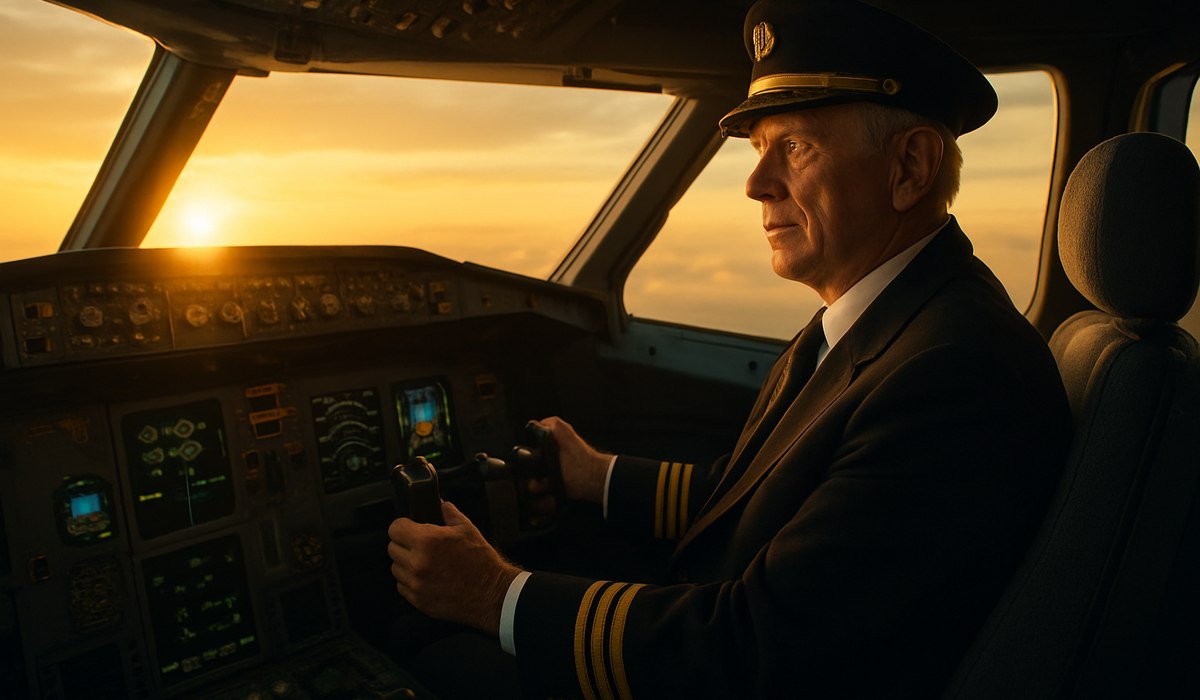
Image generated by AI
US Airline Captains Command World's Highest Pilot Compensation
Captains at major US airlines earn among the world's most competitive pilot salaries, with hourly rates reflecting decades of accumulated experience and responsibility. The Bureau of Labor Statistics reported that American pilots averaged approximately $200,000 annually in 2024, yet this aggregate figure masks a profound earnings gulf. Hourly pay airline captains at legacy carriers like American Airlines, United Airlines, Delta Air Lines, and Southwest Airlines now consistently exceed $300 per flight hour—a compensation tier that places them among the globe's elite aviation professionals.
The distinction between entry-level first officers and veteran captains has widened significantly. While first-year first officers typically earn $50,000 to $70,000 annually, senior captains with 20+ years of service command hourly rates that translate to six-figure annual compensation packages, even accounting for limited flight hours per month.
US Airline Captain Compensation in 2026
The 2026 compensation landscape for airline captains reflects contract negotiations that prioritized experience-based pay progression. Major carriers implemented new union agreements following pilot shortages and recruitment challenges that characterized 2023-2025. These agreements restructured seniority-based pay scales, allowing senior captains to reach maximum hourly rates faster than in previous contracts.
According to industry sources tracking pilot compensation, captains at American Airlines, Delta, and United earn base hourly rates between $280 and $340 per flight hour at the top of their pay grids. Southwest Airlines captains follow a similar trajectory, though their point-based compensation system differs structurally from traditional hourly frameworks. These figures exclude additional compensation for per diems, trip premiums, international flight allowances, and retirement benefits that substantially increase total compensation packages.
The shift toward higher captain pay stems partly from airline competition for experienced pilots and partly from union advocacy emphasizing the captain's critical safety and operational responsibilities. Learn more about pilot compensation trends through resources available at the FAA's pilot certification database.
Hourly Rate Breakdown by Major Carriers
Different airlines structure their pay grids uniquely, though all reserve premium rates for captains. American Airlines captains reach approximately $340 per flight hour at the top of their pay scale, negotiated under agreements finalized in 2024. Delta captains similarly command $330-$345 per flight hour, reflecting the carrier's competitive positioning for retaining experienced crews.
United Airlines captains earn comparable rates around $325-$340 per flight hour, while Southwest—operating an all-Boeing 737 fleet—pays captains $310-$330 per flight hour. Regional carriers, by contrast, pay significantly lower rates. SkyWest captains earn roughly $80-$120 per flight hour, and Envoy captains receive $70-$100 per flight hour.
These hourly rates apply exclusively to flight time. Captains also receive compensation during preflight checks, training, and ground duties that aren't counted as flight hours. Understanding how airlines calculate total pilot compensation requires reviewing specific carrier contracts, available through pilot union websites including the Air Line Pilots Association (ALPA).
Experience Gap: Captains vs First Officers
The earnings disparity between captains and first officers represents one of commercial aviation's most significant professional inequities. First officers at major carriers earn base hourly rates between $85 and $130 per flight hour—roughly one-third what captains command. A first officer at United Airlines flying 65 hours monthly earns approximately $66,000 annually, while a United captain flying identical hours earns $210,000 or more.
This gap reflects captain responsibilities including flight safety oversight, regulatory compliance, crew management, and ultimate decision-making authority. Captains require an Airline Transport Pilot (ATP) certificate, 1,500 minimum flight hours, and demonstrated command experience. First officers hold Commercial Pilot certificates and typically progress to captain roles after 5-15 years of service, depending on seniority and airline hiring patterns.
The recent pilot shortage accelerated this compensation structure. Airlines competing for scarce experienced captains—particularly those with international experience and type-rating qualifications—offered contract improvements that widened the first officer-to-captain pay gap. For transparency on pilot careers and pathways, consult FlightAware's career resources.
Career Progression and Earning Potential
Most first officers at major carriers follow a predictable progression toward captain status. A typical career timeline involves 5-12 years at the first officer rank before securing a captain seat. During this progression, hourly pay rates increase modestly—a United first officer might advance from $88 to $128 per flight hour over a decade. Upon captain promotion, compensation jumps 150-200%, immediately placing pilots in the six-figure annual income bracket.
Airlines maintain strict seniority systems where captain promotions follow workforce attrition, retirement patterns, and operational expansion. A first officer hired during 2020 might expect captain upgrade in 2027-2032 at a major carrier, assuming normal retirement rates and no furloughs. Regional airlines provide alternative pathways—pilots build experience as captains at regional carriers, then apply to majors as "career captains" already holding command qualifications.
Compensation trajectory means a captain's lifetime earnings often exceed $4 million across a 30-year career, compared to approximately $1.8 million for first officers who never upgrade. This economic reality drives competitive hiring and retention at the captain level, explaining why major carriers emphasize captain compensation in recruitment advertising and union contract negotiations.
Key Compensation Data Table
| Airline | Captain Hourly Rate (Max) | First Officer Hourly Rate (Max) | Pay Gap Ratio | Fleet Type |
|---|---|---|---|---|
| American Airlines | $340 | $128 | 2.66× | Mixed (Airbus/Boeing) |
| Delta Air Lines | $345 | $130 | 2.65× | Mixed (Airbus/Boeing) |
| United Airlines | $340 | $128 | 2.65× | Mixed (Airbus/Boeing) |
| Southwest Airlines | $330 | $125 | 2.64× | Boeing 737 Only |
| Alaska Airlines | $285 | $115 | 2.48× | Mixed (Airbus/Boeing) |
| SkyWest (Regional) | $120 | $75 | 1.60× | Bombardier/Embraer |
What This Means for Travelers
Understanding airline captains compensation may seem tangential to passenger experience, yet it directly impacts aviation safety and service quality. Higher captain pay enables airlines to retain experienced pilots, reducing the operational risks associated with inexperienced command personnel. Stable, well-compensated crews deliver superior safety records and more consistent on-time performance.
Travelers benefit from this compensation structure through several mechanisms:
-
Enhanced Safety Culture – Experienced captains with decades of accumulated knowledge bring superior decision-making to emergency situations and routine operations. Well-paid, tenured captains exhibit lower turnover, meaning your flight likely includes pilots with 15,000+ flight hours rather than those with 5,000.
-
Service Consistency – Senior captains mentor junior crew members, creating institutional knowledge that improves passenger service standards. Airline captains typically interact with passengers during boarding and after flights, representing their carriers' professionalism.
-
Operational Reliability – Retention of experienced captains reduces training pipeline strain, allowing airlines to maintain schedule integrity and minimize weather-related cancellations through superior judgment in marginal conditions.
-
Career Development Signaling – Transparent captain compensation structures attract higher-quality pilot candidates, ensuring future aviation safety through improved recruitment pools.
-
Transparent Pricing – Understanding pilot costs helps travelers comprehend airline ticket pricing, reinforcing that commercial aviation's economic
Disclaimer
This article is for informational and educational purposes only. It does not constitute legal, financial, or professional advice. While we strive to provide accurate and up-to-date information, travel policies, regulations, and conditions change rapidly. Always verify information with official sources before making travel decisions. Nomad Lawyer makes no representations about the accuracy, reliability, completeness, or suitability of the information provided. Readers should consult qualified professionals for advice specific to their circumstances. The views expressed in this article are those of the author and do not necessarily reflect the views of Nomad Lawyer.
Raushan Kumar
Founder & Lead Developer
Full-stack developer with 11+ years of experience and a passionate traveller. Raushan built Nomad Lawyer from the ground up with a vision to create the best travel and law experience on the web.
Learn more about our team →