
Hospitality Peregrine Moat: CEO Challenges Hotel Industry Competitive Edge
Peregrine Hospitality's CEO argues the hotel industry lacks structural competitive differentiation in 2026. Operational discipline emerges as the only sustainable advantage for modern properties.

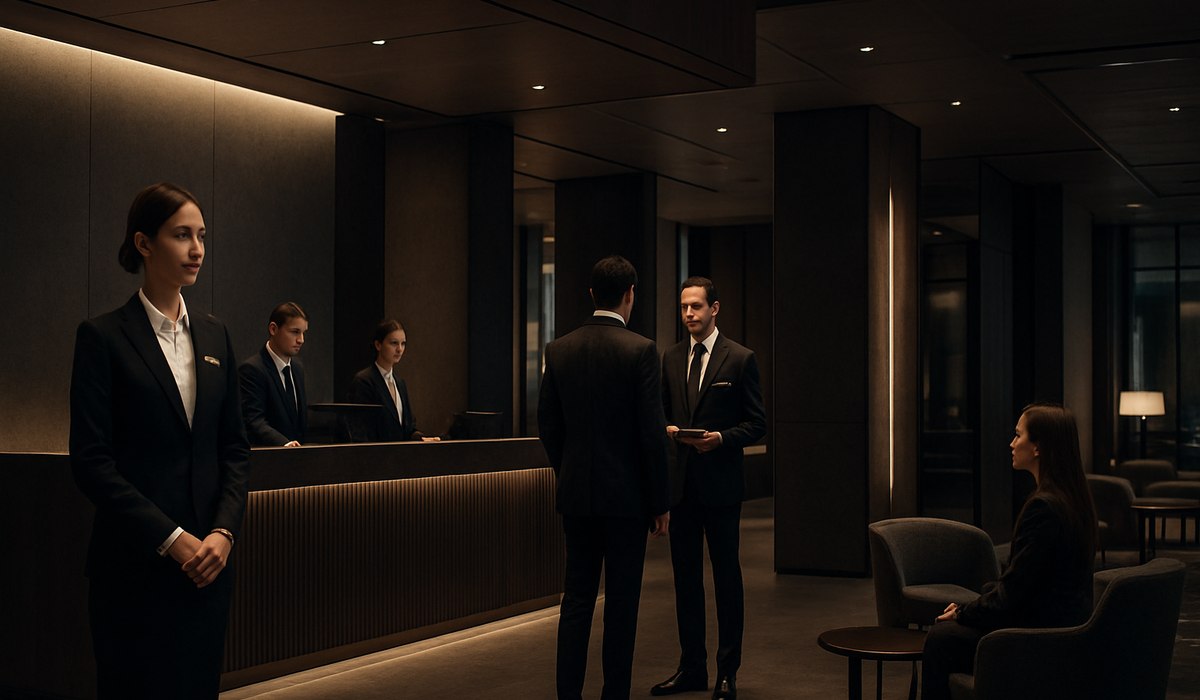
Image generated by AI
Peregrine Hospitality CEO Declares Hotel Industry Lacks Structural Competitive Moat
Peregrine Hospitality's leadership team is reframing how the hospitality sector should approach competitive strategy. The company's CEO publicly challenged conventional wisdom this week, asserting that modern hotels lack the structural competitive moats that traditionally insulate businesses from commoditization. Rather than relying on brand recognition, location advantages, or customer loyalty programs, Peregrine argues that operational discipline represents the only sustainable competitive advantage in today's fragmented lodging market.
This bold positioning signals a fundamental shift in how hotel operators should evaluate their strategic priorities. The hospitality peregrine moat argument suggests that differentiation through design, amenities, or technology alone cannot sustain long-term margins when competitors can replicate features within months.
The Moat Problem in Modern Hospitality
The hotel industry has traditionally relied on geographic positioning and brand reputation to maintain competitive advantage. Today's market reality proves far more complicated. Travel platforms democratize access to inventory, dynamic pricing algorithms eliminate pricing power, and construction techniques allow competitors to match physical amenities quickly.
Peregrine's analysis identifies specific structural weaknesses. Hotel brands can be copied through franchise models. Loyalty programs generate switching costs only until a competitor offers marginally better rewards. Premium locations attract competition when regulatory barriers fall. The hospitality peregrine moat framework suggests none of these factors provide durable protection.
What remains defensible? Execution excellence. Properties that consistently deliver superior guest experiences, maintain operational efficiency, and retain talent build reputation advantages that resist duplication. Learn more about modern hotel management strategies.
Operational Discipline as Competitive Strategy
Operational discipline encompasses multiple dimensions: staff training standardization, maintenance protocols, revenue management systems, and guest service consistency. Hotels prioritizing operational excellence establish competitive advantages through talent retention and process efficiency.
Peregrine's approach emphasizes predictable execution over market differentiation. When guests encounter consistent quality regardless of arrival time or booking channel, trust compounds. When staff members understand their roles and possess tools to solve problems, service recovery rates improve dramatically.
This strategy requires sustained investment in people and systems rather than flashy renovations. Training programs must evolve continuously. Technology investments must prioritize operational efficiency over guest-facing features. Management accountability must tie directly to measurable execution metrics.
The competitive advantage here isn't easily visible to casual observers, making it defensible precisely because competitors underestimate its importance. Explore KSL Capital Partners hospitality portfolio for examples of execution-focused operators.
Peregrine's Execution Framework
Peregrine Hospitality implements systematic operational discipline across its portfolio through standardized frameworks. The company's approach combines clear performance metrics, regular auditing, continuous staff development, and rapid problem-solving protocols.
Each property maintains detailed operational dashboards tracking guest satisfaction, staff turnover, maintenance compliance, and financial performance. Underperforming metrics trigger immediate management intervention rather than quarterly reviews. The hospitality peregrine moat strategy converts operational discipline into measurable financial returns.
Staff development receives equal emphasis. Properties invest in advancement pathways, cross-training programs, and competitive compensation tied to performance. When employees see career progression opportunities, turnover decreases. Reduced turnover drives service consistency, reducing guest complaints and repeat booking rates improving.
Technology supports rather than replaces human judgment. Properties implement systems for reservations, maintenance scheduling, and revenue management, but empower staff to make decisions improving guest experiences. This balance between standardization and flexibility distinguishes Peregrine's framework from purely rule-based competitors.
Can Process Beat Commoditization?
The fundamental question facing Peregrine's thesis: can operational discipline sustain competitive advantage when technology facilitates replication?
The answer partially depends on execution timeline. Building organizational culture emphasizing continuous improvement requires years. Training systems that develop critical thinking rather than rote procedures develop slowly. Reputation for reliability compounds gradually through word-of-mouth and online reviews.
Meanwhile, competitors copying Peregrine's visible best practices face implementation challenges. Installing training systems without cultural commitment yields poor results. Implementing operational metrics without transparent accountability demotivates staff. Promising staff development without genuine advancement opportunities increases cynicism.
The hospitality peregrine moat advantage therefore resides not in proprietary processes, but in organizational commitment to execution excellence. This advantage proves difficult to purchase quickly or replicate through consultants. It requires sustained management focus and cultural alignment that most hotel operators struggle to achieve.
Discover how successful operators approach hotel talent acquisition and retention.
What Guests Get
Travelers benefit directly from Peregrine's execution-focused philosophy. Properties emphasizing operational discipline consistently deliver:
- Responsive staff prepared to handle special requests without bureaucratic delays
- Cleanliness and maintenance standards that prevent recurring issues between renovations
- Reliable technology systems for check-in, communication, and problem-solving
- Trained professionals capable of solving problems at point of service rather than escalating endlessly
- Transparent communication when issues arise, replacing defensive stonewalling
These benefits accumulate in measurable ways: faster check-in processes, fewer booking errors, quicker maintenance response, and more satisfying problem resolution. While less dramatic than architectural design or luxury finishes, operational excellence drives the consistent experiences that generate repeat bookings and positive reviews.
Book your stay through Booking.com to compare Peregrine-affiliated properties alongside competitors.
Key Metrics: Competitive Advantage in Hospitality 2026
| Competitive Factor | Sustainability Duration | Replication Difficulty | Industry Prevalence |
|---|---|---|---|
| Brand Recognition | 5-10 years | Medium | 85% of chains |
| Geographic Location | Indefinite | Low (fixed) | 100% of properties |
| Physical Amenities | 18-36 months | High (quickly matched) | 95% of new builds |
| Technology Features | 6-12 months | Very High | 70% of mid-scale+ |
| Operational Excellence | 5-20+ years | Very High | 15% of properties |
| Staff Training & Culture | 7-15 years | Extremely High | 12% of properties |
| Loyalty Program Rewards | 2-5 years | Medium | 80% of chains |
What This Means for Travelers
Peregrine's competitive positioning has direct implications for how business and leisure travelers should evaluate hotel choices in 2026:
-
Prioritize properties with established reputations for reliability rather than newest amenities. Consistent quality matters more than cutting-edge features.
-
Research staff turnover and management stability. Properties retaining management teams deliver more predictable experiences than those experiencing leadership changes.
-
Read reviews emphasizing problem-solving and service recovery, not just aesthetic descriptions. How hotels handle issues indicates operational discipline.
-
Consider booking direct through hotel websites when possible. Properties generating operational discipline often provide better service to direct customers than OTA bookings.
-
Look for transparent communication about maintenance or service limitations. Honest operators that acknowledge and plan around known issues typically manage them better than those that hide problems.
FAQ
What does hospitality peregrine moat mean in the hotel industry?
The hospitality peregrine moat refers to competitive advantages hotels can build through operational discipline and execution excellence. Rather than relying on physical design or technology, this framework emphasizes that durable competitive advantages come from consistent operational performance, staff training, and process reliability that competitors struggle to replicate quickly.
Can hotel brands maintain competitive advantage through loyalty programs?
Loyalty programs generate only temporary switching costs. Competitors can match or exceed rewards relatively quickly, making program differentiation vulnerable. Peregrine argues that operational discipline creates stickier advantages because competitors cannot easily replicate organizational culture and execution excellence that underpin reliable guest experiences.
**How
Disclaimer
This article is for informational and educational purposes only. It does not constitute legal, financial, or professional advice. While we strive to provide accurate and up-to-date information, travel policies, regulations, and conditions change rapidly. Always verify information with official sources before making travel decisions. Nomad Lawyer makes no representations about the accuracy, reliability, completeness, or suitability of the information provided. Readers should consult qualified professionals for advice specific to their circumstances. The views expressed in this article are those of the author and do not necessarily reflect the views of Nomad Lawyer.
Kunal K Choudhary
Co-Founder & Contributor
A passionate traveller and tech enthusiast. Kunal contributes to the vision and growth of Nomad Lawyer, bringing fresh perspectives and driving the community forward.
Learn more about our team →