
Hong Kong Air Route Expansion 2026
Hong Kong Airport launches 89 new routes. Read about the post-subsidy survival test, Terminal 2 integration, and traveler insider tips.

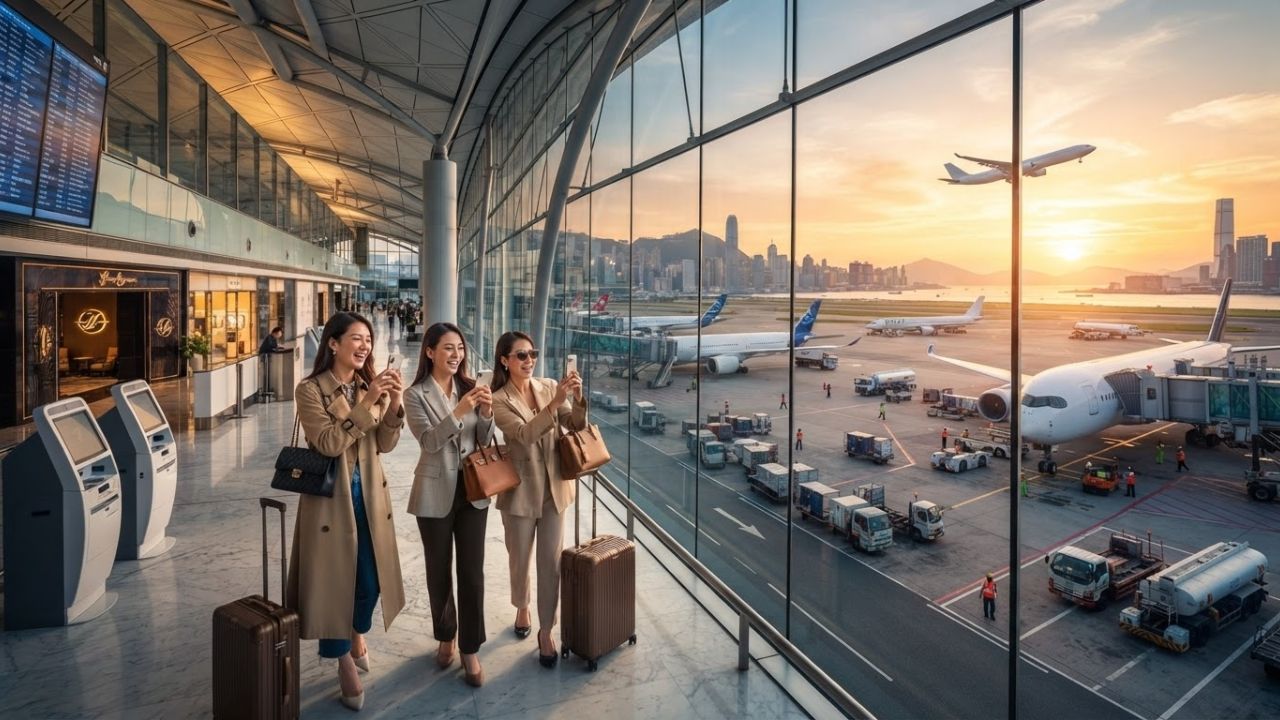
Image generated by AI
How Hong Kong is Rebuilding Global Air Connectivity and Transitioning into a Sustainable Regional Travel Hub in 2026
Hong Kong International Airport is entering a pivotal phase as its route development incentives face initial expiry dates, shifts toward transit-led passenger growth, and integrates regional links. The city's transit strategy is evolving to connect international travelers with cultural heritage and ecological initiatives across the Greater Bay Area.
The Local Trend Revealed
Hong Kong is undergoing a structural shift in how it connects with global markets, utilizing targeted transit infrastructure to transition from a traditional origin-and-destination market into an integrated regional gateway. The Air Network Development Programme, launched in June 2024 by Airport Authority Hong Kong (AAHK), has attracted 40 airlines to introduce 89 new routes across Asia, Europe, North America, and Africa. As of mid-2026, the airport's active network connects to 223 destinations, representing a significant expansion of the city's aviation footprint.
A key element of this transition is the integration of Terminal 2, which commenced passenger departure operations on May 27, 2026. The 300,000-square-meter facility features automated baggage handling and digital check-in systems. The terminal acts as a regional transit hub, housing a coach hall that connects directly to over 110 destinations in the Greater Bay Area. Additionally, the "Park and Fly" service via the Hong Kong-Zhuhai-Macao Bridge allows motorists from neighboring cities to park at the airport and clear security without entering Hong Kong's domestic immigration zone.
Passenger Traffic Rebound and Segment Performance
The recovery of passenger volumes at Hong Kong International Airport shows that transit traffic is returning faster than local and mainland arrivals. The passenger distribution metrics by segment for the first five months of 2026 are detailed in the table below:
| Passenger Segment | 2018 Volume | 2018 Share | Jan–May 2026 Volume (Provisional) | 2026 Share | Monthly Pace vs. 2018 |
|---|---|---|---|---|---|
| Local Passengers | 23.7 million | 31.7% | 8.6 million | 31.0% | 12.9% lower |
| Mainland Passengers | 12.1 million | 16.2% | 3.7 million | 13.4% | 26.6% lower |
| Transfer & Transit | 20.5 million | 27.4% | 8.8 million | 31.8% | 3.0% higher |
| Other Arrivals/Departures | 18.3 million | 24.5% | 6.5 million | 23.5% | 14.8% lower |
| Total Passenger Count | 74.7 million | 100% | 27.7 million | 100% | 11.0% lower (annualized) |
Cultural & Environmental Value (Information Gain)
The transition toward a regional transit hub is designed to support ecological preservation and local cultural heritage rather than serving solely as a transit corridor. By encouraging stopover tourism, the Hong Kong Tourism Board and regional heritage bodies are redirecting visitor traffic toward sustainable experiences. This approach helps distribute tourism revenues directly to local businesses, stilt-house communities, and rural districts.
- Eco-Tourism on Lantau Island: The airport's location on Lantau Island puts it adjacent to green spaces, including the Lantau Trail and the historic Tai O Fishing Village. Conservation initiatives protect local marine ecosystems, including the endangered Chinese white dolphin, while supporting sustainable fishing communities.
- Cultural Heritage Preservation: Visitors are encouraged to explore heritage trails in the New Territories and the West Kowloon Cultural District. This district promotes traditional Cantonese opera and local arts, funding heritage conservation programs through tourism revenue.
- Airport Environmental Initiatives: Under regulations from the Civil Aviation Department of Hong Kong, the airport is implementing carbon-reduction measures. These include upgrading ground service vehicles to electric power, reducing single-use plastics in terminals, and integrating energy-efficient lighting systems across the passenger concourses.
Visitor Insider Tips
- Off-Peak Visit Windows: The shoulder seasons of March to May and September to November offer mild weather, lower accommodation rates, and fewer crowds at major sites like Victoria Peak and the Big Buddha.
- Cultural Etiquette: When visiting local temples, such as Man Mo Temple, dress modestly and refrain from photographing the deities. When dining at local cha chaan tengs (traditional cafes), be prepared to share tables during peak hours and place your order quickly to match the local pace.
- Local Dining Specialties: Sample freshly baked pineapple buns with butter (bo lo yau) at local bakeries, egg tarts, and traditional dim sum in older neighborhoods like Sham Shui Po, supporting family-owned restaurants.
- Hidden Under-the-Radar Spots: Skip the crowded shopping malls and explore the botanical gardens at Hong Kong Park or take the historic Star Ferry during sunset for panoramic views without the high cost of harbor cruises.
Tourism Outlook
The long-term success of Hong Kong's aviation and tourism recovery will depend on the commercial durability of its newly established routes as initial flight subsidies expire. The first wave of two-year route incentives is reaching maturity, testing whether the air services can remain viable based on passenger demand alone. If these routes maintain stable passenger loads, the airport will confirm its role as a key connection point between Asia, Europe, and North America.
Furthermore, the expansion of intermodal transport links within the Greater Bay Area will continue to integrate the regional tourism economy. By allowing travelers to move between ferry terminals, coach networks, and long-haul flights, Hong Kong is establishing a transit model that supports both business travel and regional eco-tourism, balancing economic growth with community heritage preservation.
FAQ
What is the Air Passenger Departure Tax in Hong Kong?
As of October 1, 2025, the departure tax is HK$200. However, transit passengers arriving and departing by air within the same or following calendar day are exempt.
What is the Park and Fly service at Hong Kong Airport?
It allows travelers from the Greater Bay Area to drive via the Hong Kong-Zhuhai-Macao Bridge, park at the airport, and board flights without passing through Hong Kong immigration.
When is the best time to visit Hong Kong to avoid crowds?
The best off-peak windows are during the spring (March to May) and autumn (September to November) months, offering pleasant weather and lower visitor volumes.
Related Travel Guides
Disclaimer
This article is for informational and educational purposes only. It does not constitute legal, financial, or professional advice. While we strive to provide accurate and up-to-date information, travel policies, regulations, and conditions change rapidly. Always verify information with official sources before making travel decisions. Nomad Lawyer makes no representations about the accuracy, reliability, completeness, or suitability of the information provided. Readers should consult qualified professionals for advice specific to their circumstances. The views expressed in this article are those of the author and do not necessarily reflect the views of Nomad Lawyer.
Kunal K Choudhary
Co-Founder & Contributor
A passionate traveller and tech enthusiast. Kunal contributes to the vision and growth of Nomad Lawyer, bringing fresh perspectives and driving the community forward.
Learn more about our team →