
Los Angeles Tightens Hollywood Sign Tourism Controls to Manage Safety, Conservation, and Surging Global Visitor Demand in 2026
Los Angeles authorities strengthen tourism management around the Hollywood Sign amid record visitor numbers, implementing new safety protocols and environmental conservation measures to protect the iconic landmark.

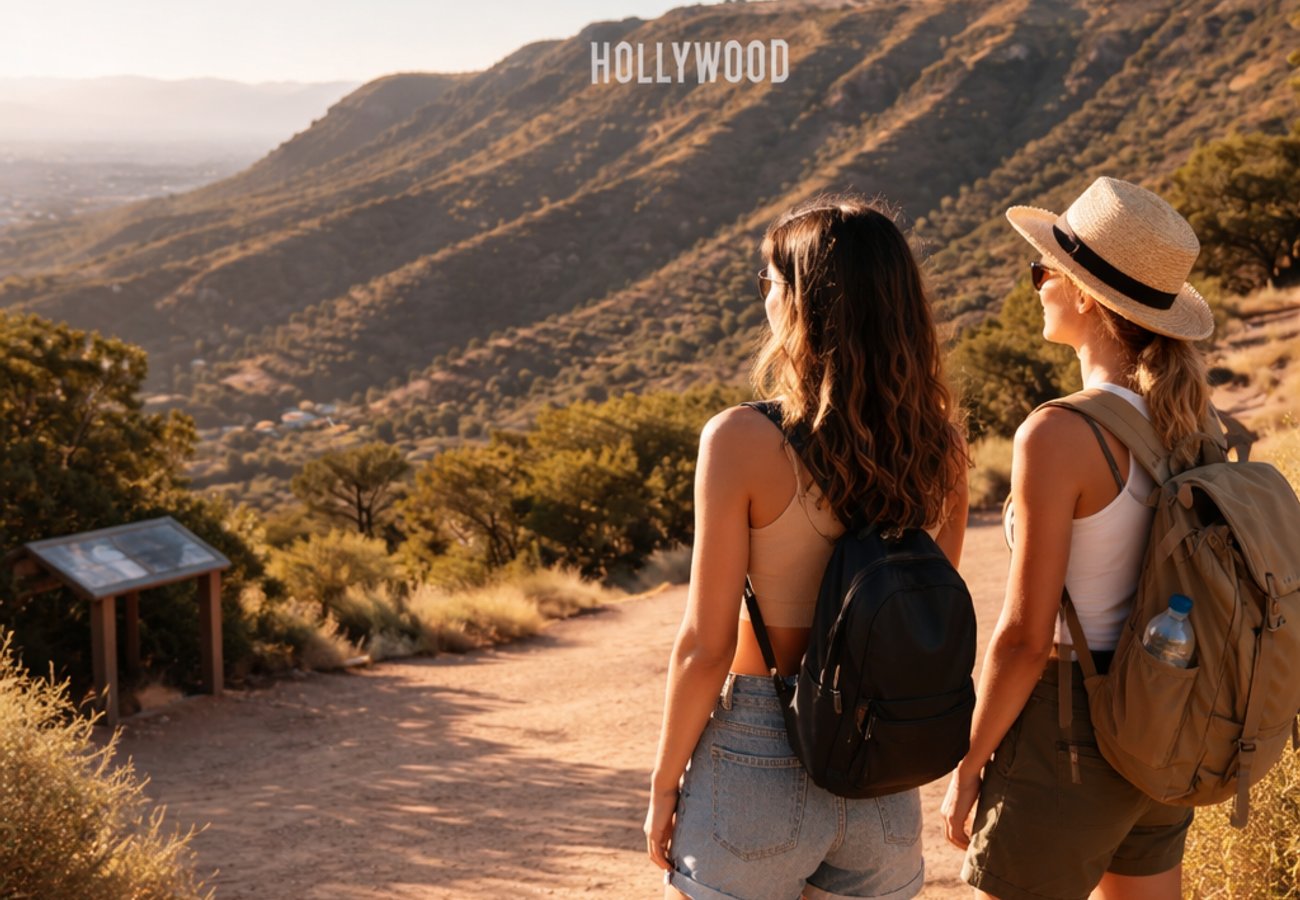
Image generated by AI
The Icon Under Pressure
The Hollywood Sign has always been Los Angeles' most magnetic draw. From Tokyo to Toronto, this nine-letter landmark sits perched above the city like a glowing crown, attracting millions of visitors annually. But this year, something shifted. The surge in global tourism has overwhelmed the delicate ecosystem surrounding one of the world's most recognizable monuments—and local authorities have finally hit the brakes.
What started as a thriving visitor phenomenon has evolved into a complex management crisis. Overcrowding on trails, safety incidents, environmental degradation, and infrastructure strain are forcing officials in Los Angeles to reimagine how they balance public access with preservation. The answer: stricter controls, smarter visitor flow management, and a hard line on conservation.
Reddit: "I got the Hollywood Sign photo I wanted but nearly got turned around three times by rangers enforcing the new trail closures. It's actually way better now." — r/losangeles
The Visitor Tsunami
Numbers tell the story. Griffith Park, which provides the primary access routes to the Hollywood Sign viewpoints, now experiences crushing foot traffic—especially on weekends and holiday seasons. International tourists flock to the trails with minimal preparation, fueled by Instagram dreams and bucket-list ambitions.
Park officials report that unmanaged visitor growth has created a cascade of problems. Congestion clogs hiking paths. Roads surrounding the park face gridlock. And most concerning: emergency incidents involving first-time hikers attempting risky shortcuts have spiked noticeably.
The terrain around the Hollywood Sign is unforgiving. Narrow paths wind through steep slopes. Loose rock and unstable ground conditions make unauthorized shortcuts deadly. Yet visitors continue to veer off marked trails, driven by the desire for the "perfect shot" or a faster route to the summit.
Safety Crisis: A Heights Problem
The hiking areas surrounding the Hollywood Sign present genuine hazards that many casual visitors underestimate. Narrow pathways, steep elevation changes, and exposed terrain create accident risks—especially for visitors unprepared for the physical demands.
Emergency crews respond regularly to incidents involving injured hikers. Some cases have been serious. Twisted ankles. Severe falls. Heat exhaustion in summer months when temperatures soar above 90 degrees. Park officials have made it clear: this landmark requires respect and preparation.
Local authorities have intensified safety awareness campaigns across the region. Griffith Park's official website now features detailed trail difficulty ratings, weather alerts, and mandatory preparation checklists. Rangers enforce trail closures more aggressively. Violation fines have increased.
The message is unmistakable: the era of casual strolls to the Hollywood Sign is ending.
The New Rules of Engagement
Griffith Park management has introduced a structured visitor management framework designed to protect both people and the landscape. Trail signage has been upgraded to clearly demarcate safe viewing areas and off-limits zones. Sensitive ecological areas are now monitored more closely to prevent overcrowding and unauthorized access.
Parking has become a strategic tool. Authorities have implemented strict parking limitations near trail entrances—a deliberate constraint designed to discourage spontaneous visits. The message: plan ahead or use public transportation.
This approach is working. Visitors who take public transit or shared ride services report shorter wait times, less congestion, and a noticeably improved experience. The neighborhood surrounding Griffith Park has also benefited from reduced traffic and fewer parking disputes.
These aren't arbitrary restrictions. They're precisely calculated interventions designed to maintain the iconic status of the landmark while preventing it from being loved to death.
The Ecological Reckoning
The Hollywood Hills aren't just a tourist attraction—they're an ecological zone supporting native plant species and wildlife habitats. Increased foot traffic has ravaged the landscape in ways that early tourism planners never anticipated.
Trail erosion is accelerating. Littering has become endemic. Visitors leave behind trash, disturb vegetation, and trample sensitive plant communities. Conservation teams now conduct regular trail maintenance just to keep damage from compounding.
Wildfire risk amplifies the urgency. During dry seasons, the Hollywood Hills become a tinderbox. Visitor compliance with fire safety rules isn't optional—it's existential. A single discarded cigarette or unattended campfire could incinerate the landmark and surrounding neighborhoods.
Smart Tourism: The Visitor's Playbook
Travelers planning a Hollywood Sign visit should approach it strategically. Early morning hikes—departing before 8 AM—offer cooler temperatures, fewer crowds, and better safety conditions. This single timing adjustment transforms the experience.
Preparation is non-negotiable. Proper hiking boots. At least three liters of water. A reliable map or GPS device. Sunscreen. These basics separate pleasant outings from emergency situations. Check current trail conditions and weather forecasts on the LA Parks website before committing to a hike.
For photography enthusiasts, the real wisdom lies in choosing designated viewpoints. Griffith Observatory offers stunning vistas of the Hollywood Sign and the Los Angeles skyline—without the hiking hazards. It's safer, easier, and often produces superior images due to the elevated perspective.
Respecting trail signage and restricted areas isn't just polite—it's legally mandatory. Violations result in citations.
The Authority's Balancing Act
Local government agencies responsible for parks and recreation face an impossible equation: maximize tourism revenue while minimizing environmental and safety costs. They're solving it through data-driven visitor management.
Regular trail maintenance improves both safety and accessibility. Monitoring systems track visitor flow in real time, allowing rangers to identify congestion patterns and adjust access accordingly. LA Parks Department coordinates with Griffith Park rangers to implement these systems.
Public awareness campaigns serve as the first line of defense against reckless behavior. These efforts educate tourists on proper preparation, trail etiquette, and environmental responsibility. They're also targeting the Instagram-tourist demographic directly, using social media to normalize responsible exploration.
Collaboration with community groups has strengthened local buy-in. Neighborhood organizations participate in trail maintenance, volunteer monitoring, and sustainability planning. This cooperative approach transforms tourism management from top-down enforcement into shared stewardship.
A Sustainable Future for an Iconic Monument
The Hollywood Sign symbolizes Los Angeles' cultural dominance and entertainment legacy. But symbols require protection. They need intelligent stewardship. They demand visitors who understand that access is a privilege, not a right.
The new management framework represents a maturation of how cities approach iconic landmarks in the age of mass tourism. It's not about restricting access—it's about ensuring that access remains possible for future generations. It's about preventing the very infrastructure that makes visitation possible from being overwhelmed and destroyed.
For travelers, the message is straightforward: plan your Hollywood Sign visit with the same rigor you'd apply to any major expedition. Respect the rules. Prepare properly. Leave no trace. And recognize that the landmark's survival depends on millions of individual choices to treat it as something sacred rather than something to be conquered and consumed.
The Hollywood Sign didn't become iconic by accident—and it won't remain iconic without responsibility.
Related Travel Guides
Disclaimer
This article is for informational and educational purposes only. It does not constitute legal, financial, or professional advice. While we strive to provide accurate and up-to-date information, travel policies, regulations, and conditions change rapidly. Always verify information with official sources before making travel decisions. Nomad Lawyer makes no representations about the accuracy, reliability, completeness, or suitability of the information provided. Readers should consult qualified professionals for advice specific to their circumstances. The views expressed in this article are those of the author and do not necessarily reflect the views of Nomad Lawyer.
Raushan Kumar
Founder & Lead Developer
Full-stack developer with 11+ years of experience and a passionate traveller. Raushan built Nomad Lawyer from the ground up with a vision to create the best travel and law experience on the web.
Learn more about our team →