
Travel America Hidden: Remote Towns Redefining US Tourism in 2026
A seismic shift in US travel patterns is redirecting millions toward remote towns and nature escapes in 2026. Travel America hidden gems now rival major cities as tourists seek authentic experiences beyond traditional destinations.

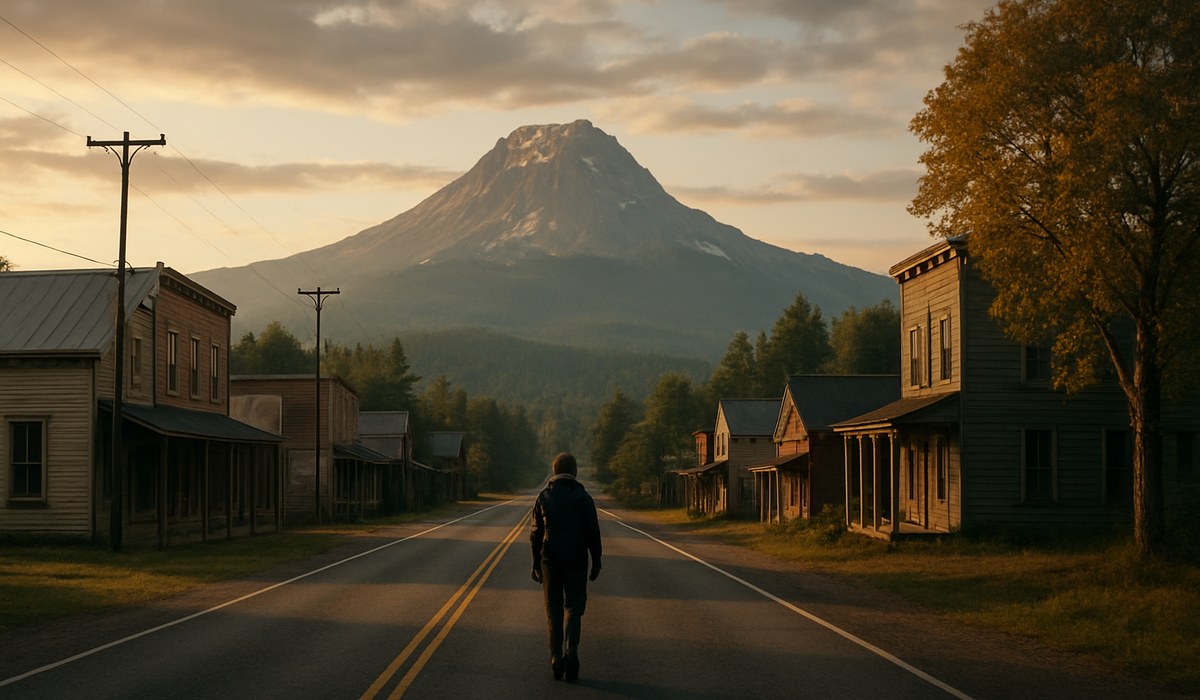
Image generated by AI
The Great Exodus from Big Cities Is Reshaping American Tourism
Remote towns and nature-based destinations across the United States are experiencing unprecedented tourist demand as travelers deliberately avoid overcrowded metropolitan hubs. This fundamental shift, gaining momentum throughout 2026, marks the most significant realignment in US tourism patterns in decades. Visitors increasingly prioritize authentic cultural experiences, outdoor recreation, and community engagement over traditional landmark tourism—fundamentally transforming how Americans plan vacations.
The movement reflects broader travel philosophy changes. Sustainability concerns, pandemic-era travel habits, and digital nomad culture have converged to create sustained demand for lesser-known American destinations. Regional tourism boards report booking surges of 40-60% compared to 2025 levels, with particular strength in small towns under 50,000 residents.
Why Remote Towns Are Winning the Tourism Revolution
Remote American communities are capitalizing on infrastructure investments and targeted marketing to capture displaced big-city tourism revenue. Towns like Moab, Utah and Asheville, North Carolina have transformed their economies through strategic tourism development while maintaining authentic local character. These destinations offer what major cities cannot: genuine community interaction, uncrowded natural attractions, and authentic cuisine rooted in regional traditions.
Hotel occupancy rates in secondary markets have climbed to 78% average during peak seasons—competitive with New York and Los Angeles. Local entrepreneurs are opening specialized lodging options, from luxury farm stays to renovated historic inns. Regional airlines, including Southwest Airlines' expanded regional routes, now connect smaller communities directly to major hubs, eliminating the drive-around-big-cities problem that previously deterred rural tourism.
Tourism experts emphasize that this revolution prioritizes sustainability. Small-town tourism infrastructure naturally limits visitor volumes to manageable levels, reducing environmental strain compared to overtourism in major cities. According to Lonely Planet's 2026 trends analysis, authenticity and local economic benefit rank above convenience for 67% of leisure travelers.
Nature-Based Experiences Dominate Travel Beyond Major Cities
National parks and wilderness areas near remote communities attract record visitor numbers throughout 2026. Moab's proximity to Arches National Park positions the town as the gateway to some of America's most dramatic landscapes. Similarly, small towns surrounding the Great Smoky Mountains, Yellowstone, and Glacier National Park regions report fully-booked accommodations months in advance.
Hiking, rock climbing, mountain biking, and river experiences define this nature-first tourism model. Equipment rental shops and guided experience companies are multiplying in formerly sleepy towns. Adventure tourism generates higher per-visitor spending than traditional sightseeing, creating robust economic multiplier effects throughout regional communities.
The shift extends beyond obvious national park territories. Lesser-known natural areas—coastal marshlands in the Southeast, slot canyons in the Southwest, wildflower meadows in the Midwest—now feature prominently on travel itineraries. Wellness tourism combining hiking, clean air, and spa experiences in mountain towns drives premium accommodation pricing.
Authentic Experiences Beyond Tourist Traps Are the New Status Symbol
Travelers increasingly define trip success by meaningful local interactions rather than photo opportunities at famous landmarks. Farm-to-table dining, craft brewery tours, local artisan workshops, and cultural storytelling sessions generate word-of-mouth marketing that exceeds traditional advertising effectiveness. Small-town tourism boards have discovered that authentic experiences create loyal repeat visitors—a crucial economic advantage.
Community-based tourism models are spreading rapidly. Towns facilitate direct connections between visitors and local creators: musicians, painters, woodworkers, and farmers. These encounters generate authentic narratives travelers share across social platforms, creating organic marketing cycles. TripAdvisor reviews for small-town experiences consistently rank authenticity and local ownership as decisive factors in booking decisions.
Culinary tourism particularly thrives in remote regions. Farm-to-table restaurants operate with ingredients sourced within 50 miles, offering dishes impossible to replicate in major cities. Wine regions beyond Napa, coffee regions beyond Seattle, and craft food production areas throughout the Midwest attract culinary-focused travelers willing to pay premium prices for unique experiences.
Best Time to Visit America's Hidden Destinations
Shoulder seasons—April through May and September through October—offer ideal conditions for travel america hidden locations. Weather remains mild, crowds stay manageable, and accommodation prices run 20-35% below peak season rates. Spring wildflower blooms in desert regions and fall foliage displays in mountain areas create natural timing anchors for trip planning.
Summer months (June-August) guarantee fully booked accommodations in popular remote destinations, though increased crowds dilute the authentic-experience advantage these towns provide. Winter travel suits certain regions: mountain towns for skiing, desert areas for hiking, and regions with holiday traditions like Christmas markets in small towns. Shoulder seasons deliver the optimal combination of accessibility, weather, and authentic community experiences.
How to Get There: Regional Airport Access Is Expanding Rapidly
Most travel america hidden destinations remain accessible via major hub airports with connecting regional flights. Denver International Airport serves as the primary gateway for Rocky Mountain remote towns. Phoenix Sky Harbor International Airport connects visitors to Southwest desert communities. Major carriers offer multiple daily flights to these hubs, followed by regional carriers providing onward connections.
Driving remains the primary access method for many remote destinations. Scenic highways connecting smaller towns create road-trip experiences that enhance travel satisfaction. I-70 westbound from Denver accesses mountain communities and desert destinations. I-40 eastbound from Los Angeles reaches lesser-known Southwest communities. GPS and modern mapping eliminate navigation concerns that previously deterred road travel.
Domestic airlines including United, American, and Southwest now operate expanded regional networks. Ground transportation from regional airports relies on rental cars, with local shuttle services increasingly available. Direct bus services connect major cities to remote destination towns, offering budget-friendly alternatives to air-car combinations. Advance booking (6-8 weeks) secures better pricing for both flights and ground transportation.
Practical Logistics for Remote Destination Travel
Accommodation booking requires advance planning, particularly for shoulder and peak seasons. Many remote towns limit total lodging inventory—booking windows close 4-6 weeks prior to arrival. Diverse lodging options now exist: luxury resorts, boutique hotels, vacation rental homes, and farm stays. Check official destination websites for comprehensive accommodation listings and local booking platforms that prioritize community-owned properties.
Budget allocation differs from major-city travel. Accommodation costs typically run 40-50% lower than metropolitan areas, while activity costs (guided experiences, equipment rentals) may run higher than city-based entertainment. Food costs equilibrate—fine dining costs similarly, while everyday meals cost substantially less. Total trip budgets often match or undercut metropolitan vacation costs despite higher per-activity pricing.
Digital connectivity varies. Larger remote towns offer reliable broadband and cellular service, while smaller communities may have spotty coverage. Remote workers should confirm connectivity before booking extended stays. Many accommodations now feature dedicated workspace and backup internet systems recognizing the digital nomad market.
Key Statistics on America's Hidden Travel Boom
| Metric | 2025 Value | 2026 Value | Growth Rate |
|---|---|---|---|
| Small-town hotel occupancy | 62% | 78% | +25.8% |
| Average remote destination booking window | 8 weeks | 6 weeks | -25% (earlier bookings) |
| Travelers prioritizing authentic experiences | 54% | 67% | +24.1% |
| Secondary market tourism revenue increase | baseline | +48% | +48% year-over-year |
| Regional airline route expansion | 340 routes | 428 routes | +25.9% |
| Farm-to-table restaurant openings in small towns | 1,200 annually | 1,840 annually | +53.3% |
What This Means for Travelers Planning 2026 Vacations
Travelers should act decisively when planning remote destination visits:
1. Book accommodations immediately. Secondary and tertiary markets sell out faster than major cities. Popular remote destinations fill 8-12 weeks in advance during peak seasons.
2. Allocate time for driving or regional flights. Remote destinations typically require 2-3 hours ground transportation from major hubs. Factor this into trip duration planning.
3. Research local experiences before arrival. Authentic experiences require advance connection. Booking guided tours, dining reservations, and artisan workshops 4-6 weeks ahead ensures availability.
4. Verify seasonal accessibility. Mountain destinations may close certain roads during winter. Coastal areas experience specific seasonal conditions. Confirm accessibility windows match your travel dates.
5. Support locally-owned businesses. Economic benefits concentrate when visitors patronize community businesses rather than chain establishments. Intentional spending amplifies positive tourism impacts.
6. Download offline maps and information. Digital connectivity gaps in remote areas make offline resources essential. Download maps, accommodation details, and emergency contact information before departure.
Frequently Asked Questions About Travel America Hidden Gems
What makes remote American towns more appealing than major cities for 2026 travel? Remote towns offer authentic cultural experiences, uncrowded natural attractions, and genuine community engagement that major cities cannot replicate. Travelers increasingly value these factors over convenience, making hidden destinations more desirable despite requiring more planning.
Which regions offer the best travel america hidden destinations for outdoor enthusiasts? The Southwest (Utah, Arizona), Rocky Mountains (Colorado, Montana), Blue Ridge Mountains (North Carolina, Tennessee), and Pacific Northwest (Oregon, Washington) deliver exceptional outdoor experiences. Each region provides distinct landscapes, from deserts to mountains to forests, accessible from remote town bases.
How far in advance should I book accommodations for travel america hidden locations? Book 6-8 weeks in advance for popular remote destinations during peak seasons. Shoulder seasons allow 4-6 week booking windows. Off-season travel permits last-minute reservations. Specific towns vary—checking individual tourism websites reveals current availability patterns.
Are remote destinations suitable for families traveling with young children? Yes. Remote destinations offer safety advantages, outdoor recreation suitable for families, and slower-paced environments reducing travel stress. Many towns feature family-friendly activities, though limited entertainment options may require advance planning for rainy days.
Related Travel Guides
Best Hidden National Parks Beyond Yellowstone and the Grand Canyon
Complete Sustainable Travel Guide to Small-Town America
Authentic Farm-to-Table Dining Destinations in Remote America
Disclaimer
This article is for informational and educational purposes only. It does not constitute legal, financial, or professional advice. While we strive to provide accurate and up-to-date information, travel policies, regulations, and conditions change rapidly. Always verify information with official sources before making travel decisions. Nomad Lawyer makes no representations about the accuracy, reliability, completeness, or suitability of the information provided. Readers should consult qualified professionals for advice specific to their circumstances. The views expressed in this article are those of the author and do not necessarily reflect the views of Nomad Lawyer.
Preeti Gunjan
Contributor & Community Manager
A passionate traveller and community builder. Preeti helps grow the Nomad Lawyer community, fostering engagement and bringing the reader experience to life.
Learn more about our team →