
Boeing's 777X Safety System Prevents Takeoff With Folded Wings—Here's Why That Matters
Breaking airline news and aviation industry updates for 2026.

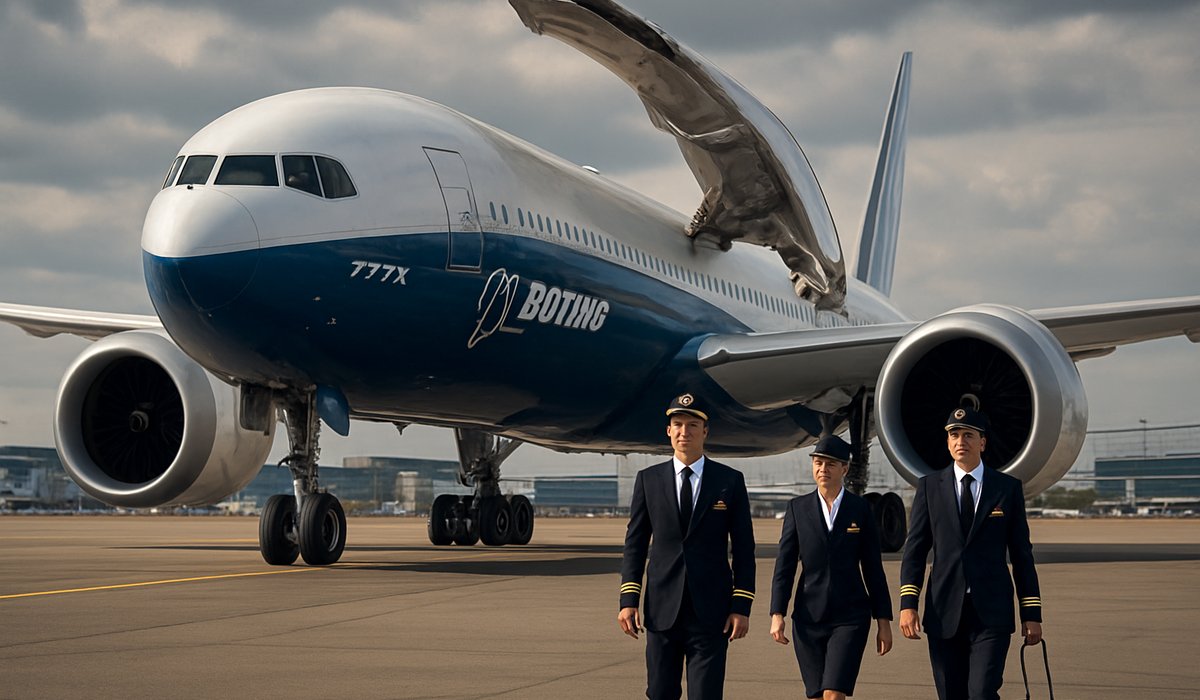
Image generated by AI
Boeing's 777X Safety System Prevents Takeoff With Folded Wings—Here's Why That Matters
Advanced aircraft design demands precision: how automated safety protocols protect passengers and aircraft integrity
Critical Safety Lock Prevents Dangerous Takeoff Scenario
Boeing's next-generation 777X wide-body jet incorporates an automated safety mechanism that physically prevents pilots from initiating takeoff procedures while the aircraft's distinctive folding wingtips remain in their stowed position. This engineering safeguard addresses a fundamental aerodynamic vulnerability that could compromise flight safety during the most critical phase of operation.
The restriction stems from the 777X's revolutionary wing design, which features innovative folding wingtip extensions that retract for ground handling compatibility at standard airport gates. However, these extended wing surfaces are integral to the aircraft's aerodynamic performance envelope and cannot be substituted during flight operations.
The Aerodynamic Imperative Behind the Design
The wingtips on the 777X are not merely structural additions—they represent essential aerodynamic components engineered to generate the lift necessary for sustained flight. With wingtips in their folded configuration, the aircraft would experience a dramatic increase in aerodynamic drag while simultaneously losing critical lift-generating capacity.
Attempting takeoff under such conditions would leave the aircraft severely underpowered during acceleration, potentially preventing it from reaching the velocity required for liftoff. The aerodynamic deficit could force pilots into an impossible scenario where the jet cannot achieve safe flying speed before exhausting available runway length.
Automated Safeguards Eliminate Human Error
By integrating this protective mechanism directly into the aircraft's flight control systems, Boeing has effectively eliminated any possibility of human error or oversight. The automated interlock ensures that regardless of procedural breakdowns or pilot distraction, the aircraft simply cannot advance to takeoff thrust until wing configuration is verified as flight-ready.
This design philosophy reflects modern aviation's commitment to layered safety systems that prevent dangerous scenarios before they develop, rather than relying on crew awareness alone.
Implications for Operations and Fleet Management
The 777X's sophisticated wing geometry represents a trade-off between ground efficiency and flight capability. While folding wings reduce gate footprint and enhance airport compatibility, ground crews and flight operations teams must maintain rigorous procedural discipline to ensure wings are fully extended before flight operations commence.
This engineering solution demonstrates how cutting-edge aircraft design increasingly prioritizes automated safety interventions to protect both passengers and crew during vulnerable phases of flight operations.
Frequently Asked Questions
Q: Why do 777X wingtips fold if they're needed for flight? A: Folding wingtips reduce the aircraft's wingspan at the gate, allowing it to fit in standard parking positions. This saves airports infrastructure costs while maintaining aerodynamic performance during flight.
Q: Can the 777X takeoff with partially extended wings? A: No—the aircraft's safety system requires full extension. Partial deployment would still create dangerous aerodynamic imbalances.
Q: How common are folding wing designs in commercial aviation? A: The 777X pioneered this approach for large commercial jets. Smaller regional aircraft and business jets have utilized similar technology previously, but the 777X represents the largest implementation to date.
Q: What other safety systems prevent takeoff errors on modern aircraft? A: Aircraft employ multiple interlocks including flight surface verification, fuel quantity confirmation, and instrument calibration checks before allowing engines to advance to takeoff thrust.
Q: Has Boeing's safety system prevented any actual takeoff incidents? A: The system is designed to prevent incidents before they occur, though specific operational data remains proprietary to Boeing and airline operators.
Related Travel Guides
Flight Delay Compensation Guide 2026
Understanding Airline Route Changes
Airport Security Process Updated (2026)
External Resources
Disclaimer
This article is for informational and educational purposes only. It does not constitute legal, financial, or professional advice. While we strive to provide accurate and up-to-date information, travel policies, regulations, and conditions change rapidly. Always verify information with official sources before making travel decisions. Nomad Lawyer makes no representations about the accuracy, reliability, completeness, or suitability of the information provided. Readers should consult qualified professionals for advice specific to their circumstances. The views expressed in this article are those of the author and do not necessarily reflect the views of Nomad Lawyer.
Raushan Kumar
Founder & Lead Developer
Full-stack developer with 11+ years of experience and a passionate traveller. Raushan built Nomad Lawyer from the ground up with a vision to create the best travel and law experience on the web.
Learn more about our team →