
The Curious Design Philosophy Behind Soviet Glass-Nosed Aircraft: Why Cold War Engineering Diverged from Western Aviation Standards
Breaking airline news and aviation industry updates for 2026.

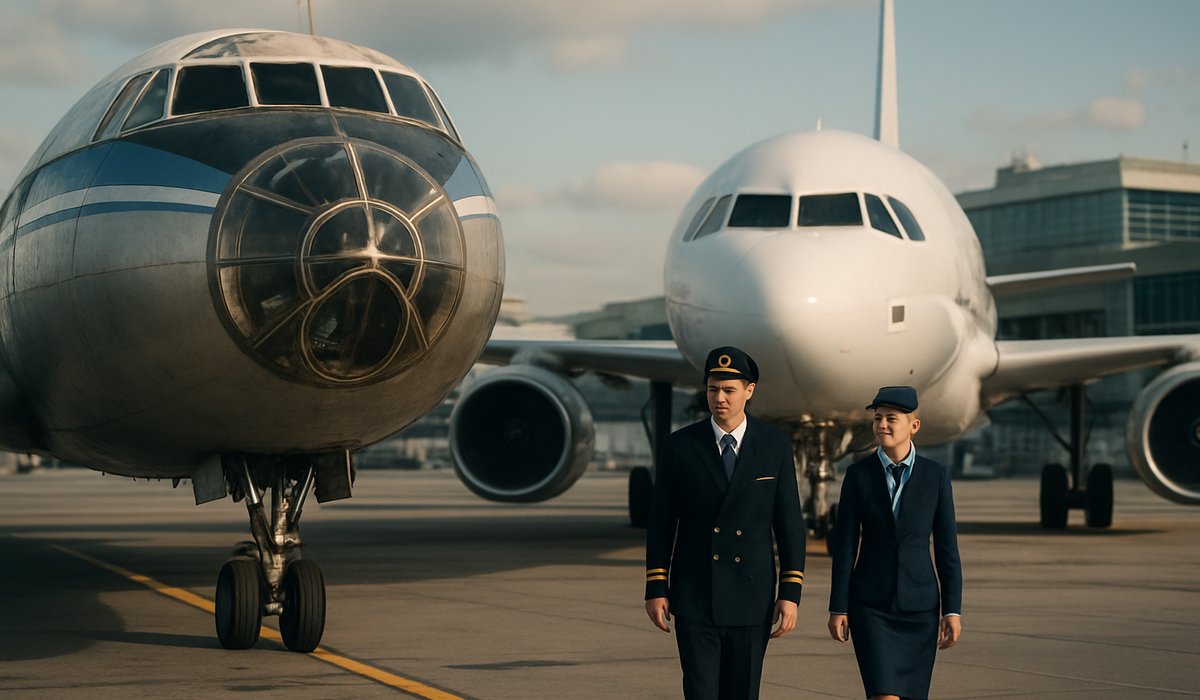
Image generated by AI
The Curious Design Philosophy Behind Soviet Glass-Nosed Aircraft: Why Cold War Engineering Diverged from Western Aviation Standards
Declassified insights reveal how ideological competition shaped fundamentally different cockpit designs across competing superpowers
A Distinctive Design Legacy
During the intense technological rivalry of the Cold War, the Soviet Union and Western powers pursued starkly different engineering philosophies in military and transport aviation. While both superpowers competed fiercely to replicate or counter each other's innovations—from the supersonic Concorde and its Soviet counterpart, the Tu-144, to the B-29 bomber and its reverse-engineered twin, the Tu-4—the Russians independently developed several distinctive aircraft characteristics that remain instantly recognizable to aviation historians today.
The most visually striking feature distinguishing Soviet aircraft from their American and European counterparts is the prevalence of expansive glass nose sections integrated into transport and military variants. Examining Soviet-era and Russian-built aircraft such as the IL-76 cargo plane, various Antonov series transports, and early Tu-134 airliners reveals extensive transparent nose cones that differ fundamentally from Western cockpit architecture.
Design Rationale and Operational Requirements
This distinctive glass-nose configuration emerged from specific operational needs and design priorities within the Soviet aviation industry. Rather than adopting purely enclosed cockpit structures favored by Western manufacturers, Soviet engineers incorporated panoramic viewing capabilities into their fuselage design. This architectural choice reflected differing approaches to pilot visibility, navigation systems, and environmental conditions faced during operations across the vast Soviet territories.
The transparent nose design also connected to Soviet military doctrine requirements for visual reconnaissance and bombing operations. Aircraft like the IL-76 needed enhanced visibility for operations in remote locations with limited ground infrastructure, whereas Western jet designs prioritized weather radar integration and sealed cockpit environments.
The Turquoise Cockpit Tradition
Complementing this external design choice, Soviet and Russian military aircraft became distinctively identified by their characteristic turquoise or blue-green cockpit interiors—a visual signature absent from Western aviation standards. This color palette selection reflected practical ergonomic considerations and aesthetic traditions within Soviet design bureaus.
Enduring Legacy in Modern Aviation
Decades after the Cold War's conclusion, these design choices remain embedded in aircraft operated across Eastern Europe, Central Asia, and Russia. The glass-nosed configuration continues in modern Antonov aircraft and remains visible in vintage Soviet transports still in operational service.
This historical divergence in aircraft design exemplifies how geopolitical competition shaped not merely technological capabilities, but fundamental engineering philosophies and aesthetic traditions that transcended the Cold War itself.
FAQ: Soviet Aircraft Design & Cold War Aviation
Why did Soviet aircraft have glass noses while Western jets didn't? Soviet engineers prioritized panoramic pilot visibility for operations across remote territories with minimal ground infrastructure, reflecting different operational requirements and design philosophies than Western approaches emphasizing radar systems and sealed cockpit environments.
What Soviet aircraft featured glass nose designs? The IL-76 cargo transport, various Antonov series aircraft, and early Tu-134 airliners showcased prominent glass nose configurations, distinguishing them visually from contemporary Western commercial and military aircraft.
Are Soviet-era glass-nosed aircraft still in service today? Yes, numerous IL-76 transports and Antonov aircraft remain operational across Eastern European, Russian, and Central Asian operators, maintaining their distinctive transparent nose design from the Soviet era.
What is the significance of turquoise cockpits in Russian aircraft? The characteristic blue-green cockpit coloring became an identifying feature of Soviet military aviation, reflecting ergonomic design choices and aesthetic traditions within Russian aviation design bureaus.
How did Cold War competition influence aircraft design differences? Geopolitical rivalry prompted each superpower to develop independent engineering solutions rather than adopting competitors' designs, resulting in fundamentally different architectural approaches to cockpit design, visibility systems, and operational capabilities.
Related Travel Guides
- Bypassing Regional Travel Chaos: Vietjet Ignites Explosive Coastal Tourism with Massive Direct Flights from Nha Trang to Singapore to Rescue ASEAN Connections
- Malaysia Airlines Aggressively Counters Regional Travel Chaos with Historic 200th Boeing Aircraft Delivery, Deploying New 737-8 to Prevent Southeast Asia Airport Disruptions: Latest Airline News
- Spirit Airlines' Final Las Vegas Flight Ends with Symbolic Wing Wave as Budget Carrier Exits Nevada Market
Disclaimer
This article is for informational and educational purposes only. It does not constitute legal, financial, or professional advice. While we strive to provide accurate and up-to-date information, travel policies, regulations, and conditions change rapidly. Always verify information with official sources before making travel decisions. Nomad Lawyer makes no representations about the accuracy, reliability, completeness, or suitability of the information provided. Readers should consult qualified professionals for advice specific to their circumstances. The views expressed in this article are those of the author and do not necessarily reflect the views of Nomad Lawyer.
Preeti Gunjan
Contributor & Community Manager
A passionate traveller and community builder. Preeti helps grow the Nomad Lawyer community, fostering engagement and bringing the reader experience to life.
Learn more about our team →