
Heathrow Disruptions Leave Europe-Wide Network Struggling
Heathrow's cascading operational failures are triggering continent-wide flight disruptions in 2026, stranding passengers across major European hubs from Scandinavia to the Mediterranean as weather and systemic vulnerabilities collide.

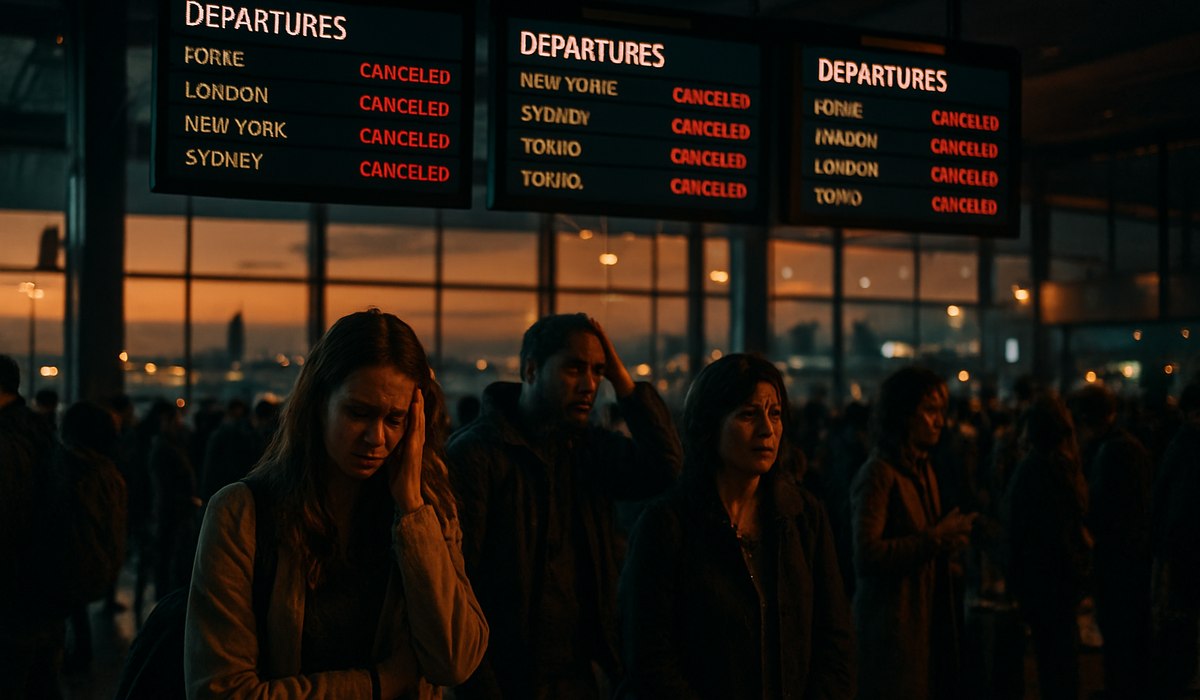
Image generated by AI
London's Hub Crisis Ripples Across the Continent
Heathrow Airport's rolling operational failures are cascading across Europe's aviation network, leaving hundreds of passengers stranded from Scandinavia to the Mediterranean. Beginning in late March and intensifying through early April 2026, the airport has experienced repeated disruption spikes involving over 100 daily delays and multiple cancellations on both long-haul and European feeder routes. As a primary transfer hub for British Airways and a major base for international carriers, even modest scheduling shocks at Heathrow rapidly propagate through interconnected networks, affecting Frankfurt, Munich, Madrid, Paris, and Oslo simultaneously.
The disruption affects not just London-bound travelers but anyone relying on European connections that transit through the British capital's hub ecosystem.
Heathrow's Cascading Disruption: Scale and Scope
On April 6 alone, industry tracking systems recorded over 100 delayed flights and more than a dozen cancellations at Heathrow, with ripple effects extending to Manchester, Birmingham, and Liverpool. A mid-March peak showed even more severe conditions: 170+ delays and 20+ cancellations in a single day, stranding hundreds and forcing missed connections to Paris, Frankfurt, Newark, and Dallas.
The cumulative impact reflects what aviation analysts describe as a "winter of disruption" that depleted airline scheduling cushions. Airlines entered spring with minimal operational flexibility to absorb fresh shocks. Passengers document crowded departure halls, extended customer service queues, and involuntary overnight stays across third countries. Social media forums reveal travelers diverted from Heathrow struggling to secure onward connections as capacity tightened continent-wide.
The scale of heathrow disruptions leave lasting effects on connecting passengers' itineraries. For more context on major airport challenges, see IATA's operational resilience updates.
Weather Systems and Systemic Vulnerabilities Collide
Weather systems moving across Western and Northern Europe at the turn of March and April triggered widespread schedule instability. Aviation compensation platforms estimate hundreds of affected flights across major hubs. However, meteorological conditions alone don't explain the severity—systemic vulnerabilities in ground handling, crew scheduling, and airspace management amplified the disruption.
Continued airspace restrictions between Europe, the Middle East, and Asia forced airlines to reroute long-haul services, adding flight time and pushing crews and aircraft toward regulatory limits. When localized weather combines with these broader constraints, the network becomes hypersensitive. A single disruption at Heathrow translates into cascading delays at distant European cities.
Transatlantic passengers attempting to connect to intra-European services report missed flights in Amsterdam, Zurich, and Rome after initial delays in London. Some accepted next-day rebooking; others abandoned complex itineraries for rail alternatives when available.
Network Effects: How One Hub's Problems Spread Continent-Wide
Heathrow's position as Europe's busiest airport makes it a chokepoint for transatlantic connectivity. When the airport falters, secondary European gateways—Frankfurt, Paris-Charles de Gaulle, Amsterdam—absorb diverted traffic, overwhelming their own capacity margins.
Madrid Barajas, Frankfurt, and Munich reported elevated disruption at the start of April linked to storms and strong winds. Missed landing slots, aircraft diversions, and extended ground holds complicated schedule recovery efforts. Airlines consolidated services, trimmed schedules, and repositioned aircraft to manage cascading constraints.
Hotels near major German, Dutch, and Spanish airports reported surging same-day demand from stranded travelers. Accommodation shortages forced some passengers into temporary accommodations far from terminals. Ground transportation between diversion airports and final destinations became a critical logistical challenge, with rental car availability strained and shuttle services overwhelmed.
The heathrow disruptions leave passengers vulnerable to compounding delays at secondary hubs lacking surge capacity. For airline contact information and rebooking options, consult European flight delay compensation guidance.
Passenger Rights and Recovery Strategies
EU Regulation 261/2004 entitles affected passengers to compensation ranging from €250–€600 depending on flight distance and delay duration. However, claiming compensation requires documenting the disruption chain and airline communication attempts—a complex process when stranded across multiple countries.
Passengers should immediately photograph boarding passes, delay notices, and booking confirmations. Request written confirmation from the airline regarding the delay cause and compensation eligibility. Consider engaging specialized flight compensation services that handle claims for a contingency fee.
For future protection, purchase travel insurance covering missed connections and accommodation during extended delays. Book through travel agencies offering rebooking assistance rather than direct airline websites. Build buffer time into connections—48+ hours for European transfers, 3+ hours for transatlantic feeds.
Travelers affected by recent disruptions can file claims through DGAC (France's aviation authority) or equivalent national agencies. Document all out-of-pocket expenses including meals, accommodation, and transportation for full reimbursement claims.
Key Disruption Data: April 2026 Heathrow Crisis
| Metric | Date | Impact | Affected Regions |
|---|---|---|---|
| Delayed Flights | April 6 | 100+ delays | London, Manchester, Birmingham, Liverpool |
| Cancellations | April 6 | 15+ cancellations | Heathrow, European feeders |
| Historical Peak | Mid-March | 170 delays, 20+ cancellations | London, Frankfurt, Paris, Newark, Dallas |
| Weather Duration | March 28–April 2 | System-wide instability | Western/Northern Europe |
| Secondary Hub Strain | April 1–7 | Elevated disruption | Frankfurt, Munich, Madrid, Oslo, Helsinki |
| Airspace Restrictions | Ongoing | Long-haul rerouting | Europe-Middle East-Asia corridors |
| Hotel Demand Surge | April 3–9 | Same-day bookings overwhelmed | Germany, Netherlands, Spain |
What This Means for Travelers
-
Immediate Action: Check your airline's website for schedule updates before heading to the airport. Sign up for SMS and email alerts from your carrier to receive real-time disruption notifications.
-
Documentation: Photograph all boarding passes, cancellation notices, and delay confirmations. These documents prove eligibility for EU261 compensation claims worth €250–€600.
-
Connection Buffers: Book future European connections with 48+ hours between flights. For transatlantic feeds to Europe, allow 3+ hours minimum. This cushion absorbs secondary disruptions without missing onward flights.
-
Rebooking Leverage: If your airline cancels or significantly delays your flight, request rebooking on competitors' services at the airline's expense. EU rules permit this for comparable routing and timing.
-
Accommodation Claims: If rerouted overnight, retain all hotel, meal, and ground transportation receipts. Airlines must reimburse "necessary expenses" including accommodation, meals (up to €100/night), and communication costs.
-
Insurance Coverage: Purchase travel insurance including missed connection and accommodation disruption riders. Flight delay insurance covering €200–€500 for 3+ hour delays adds cost but protects against out-of-pocket expenses.
Frequently Asked Questions
Q: Am I entitled to compensation if my flight was delayed at Heathrow?
A: Under EU261/2004, delays exceeding 3 hours entitle you to €250–€600 compensation depending on distance, unless the airline proves "extraordinary circumstances" (severe weather, security threats, air traffic control strikes). Heathrow's operational failures typically don't qualify as extraordinary circumstances, making compensation likely.
**Q: What if my airline cancels my flight without
Raushan Kumar
Founder & Lead Developer
Full-stack developer with 11+ years of experience and a passionate traveller. Raushan built Nomad Lawyer from the ground up with a vision to create the best travel and law experience on the web.
Learn more about our team →