
Hawaii Tourism Oahu: Paradise Cove Luau Closes After 47 Years
Paradise Cove Luau, a beloved Oahu institution, permanently closes in 2026 after nearly five decades. Learn what this means for Hawaii tourism trends and alternative cultural experiences on the island.

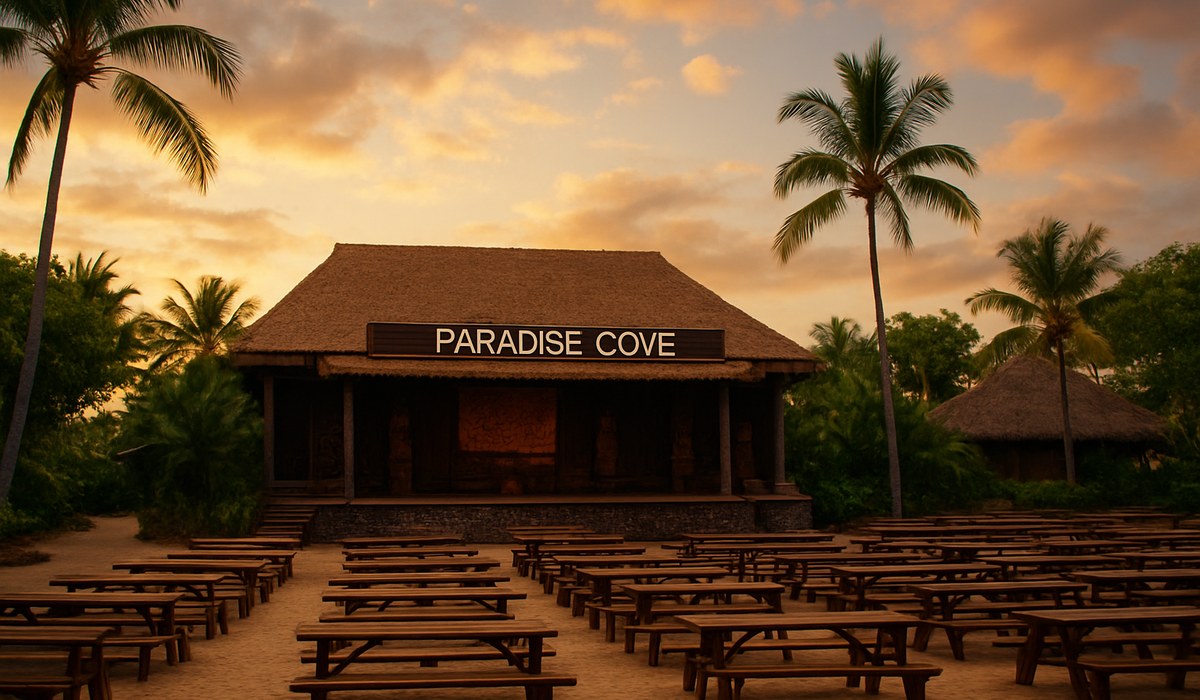
Image generated by AI
Paradise Cove Luau Closes Permanently on Oahu
Paradise Cove Luau, a defining cultural attraction on Oahu's west side, has permanently closed after operating for 47 years. The Ko Olina-based venue hosted millions of visitors seeking authentic Hawaiian dining and entertainment experiences. This closure marks a significant pivot in Hawaii tourism patterns. Oahu's visitor economy now shifts toward smaller, community-driven cultural operators. The event impacts thousands of travelers annually who planned luau experiences during their island stays.
What's Happening to Oahu's Iconic Luau Scene
The closure of Paradise Cove Luau reshapes how travelers engage with Hawaiian culture on America's most visited tropical destination. Oahu's tourism board reported the venue attracted roughly 150,000 visitors per year at peak capacity. Alternative cultural venues now compete for this massive audience segment. Local operators emphasize intimate, family-owned luaus that prioritize authentic Hawaiian traditions over commercial scale. Hotels and resorts across the island have accelerated partnerships with smaller cultural operators. This transition reflects broader changes in tourism preferences across Hawaii's hospitality sector.
Several established alternatives now serve the luau market. Toa Luau operates on the windward coast near Kailua. Paradise Activities offers smaller dining events with live performances. Cultural centers in Honolulu and Waipahu provide educational experiences without the full dinner package. These venues typically accommodate 50 to 300 guests per night. Travelers planning Oahu visits should research these options early, as authentic experiences fill quickly during peak season.
Best Time to Visit Oahu for Cultural Activities
The best time to visit Oahu runs from April through May and September through October. These shoulder seasons offer pleasant weather without summer crowds or winter holiday congestion. Hawaii tourism oahu experiences peak volume between December and February, when mainland travelers escape cold weather. Summer months (June-August) bring families but also high accommodation prices. If you prioritize cultural experiences and luaus, traveling during shoulder seasons yields better availability and personalized service from smaller operators.
Whale watching season runs January through March on Oahu's north shore. Humpback whales migrate to Hawaiian waters annually. Spring months provide ideal conditions for snorkeling and beach activities. Hurricane season typically peaks August through October, though direct hits on Oahu remain rare. Plan cultural activities during dry months (May-September) for optimal outdoor luau experiences. Book luau reservations at least two weeks in advance, especially during holidays.
How to Get There
Most travelers reach Oahu via Honolulu International Airport (HNL), situated on the island's southeast coast. HNL receives direct flights from mainland cities including Los Angeles, San Francisco, and Seattle. The airport is approximately 20 minutes from downtown Honolulu and 45 minutes from Ko Olina's west side attractions. Car rental agencies operate at baggage claim. The journey to Ko Olina luau sites takes roughly one hour via H-1 and H-2 highways.
Public transportation offers alternatives to car rental. TheBus, Oahu's public transit system, connects HNL to most destinations. Rideshare services like Uber and Lyft operate island-wide. Taxis serve the airport with meter rates starting at $3.50. Most hotels offer airport shuttle services for guests. The Honolulu rail transit system extends service to downtown areas but does not yet reach Ko Olina.
For international travelers, major airlines including American, Delta, and United operate frequent service to Hawaii. Flight duration from the mainland averages five to six hours. Visitors from Asia and Australia often connect through Honolulu. Book accommodations near cultural venues in advance, as popular areas fill quickly. Ground transportation should be arranged before arrival to avoid delays.
Oahu's Evolving Cultural Tourism Market
Oahu's tourism landscape undergoes rapid transformation as travelers seek authentic experiences over mass-market attractions. The Paradise Cove closure coincides with increased demand for farm-to-table dining and cultural authenticity. Local operators now lead the evolution in Hawaii tourism offerings. Hotels partner directly with Hawaiian cultural practitioners. Guides are increasingly native Hawaiians sharing family traditions. This shift reflects global travel trends favoring sustainable, community-centered experiences.
Visitor spending patterns demonstrate strong interest in educational cultural activities. The Honolulu Museum of Art, Iolani Palace, and Polynesian Cultural Center attract growing numbers. These venues provide cultural context before travelers participate in dining experiences. Resort luaus increasingly feature Hawaiian language instruction and craft demonstrations. Travelers report higher satisfaction with smaller, curated experiences than stadium-size commercial operations.
Future developments suggest more partnerships between visitors and Hawaiian communities. Visitor impact concerns have prompted tourism boards to implement capacity limits. Many attractions now require reservations weeks in advance. Sustainable tourism practices reshape how attractions operate in Hawaii. This represents a conscious shift away from the high-volume model that Paradise Cove represented for decades.
Impact on Hawaii's Tourism Statistics and Visitor Patterns
Hawaii receives approximately 9 million visitors annually, with Oahu accounting for roughly 60 percent of those arrivals. Paradise Cove's closure will redirect visitors to alternative cultural attractions. Industry analysts expect modest growth in direct-experience offerings. Visitor spending in cultural activities is projected to increase by 12 percent through 2028. Hotels report strong booking patterns for properties near cultural venues. Oahu's visitor economy remains resilient despite individual attraction closures.
Tourism board data reveals travelers increasingly book cultural activities before arrival. Online reviews and social media heavily influence destination choices. Authentic, smaller venues receive higher ratings than large commercial operations. Travelers spending three to five days on Oahu typically attend at least one luau or cultural event. This demand creates opportunities for local entrepreneurs and cultural practitioners.
The closure does not indicate declining interest in luaus or Hawaiian culture. Rather, it reflects shifting preferences toward authentic, community-connected experiences. Visitor satisfaction scores increase when travelers engage with Hawaiian communities directly. This evolution benefits local Hawaiian cultural practitioners. Tourism revenue remains strong while distributing benefits more equitably across communities.
Key Data: Hawaii Tourism Oahu Metrics
| Metric | Value |
|---|---|
| Oahu's share of Hawaii visitors | 60% of 9 million annual visitors |
| Paradise Cove annual attendance (previous) | ~150,000 visitors per year |
| Major gateway airport | Honolulu International (HNL) |
| Peak visitor season | December-February |
| Average visitor stay duration | 7-10 days |
| Cultural activity booking advance | 2-4 weeks recommended |
| Alternative luau venue capacity | 50-300 guests nightly |
| Oahu's hotel occupancy rate | 70-85% annually |
What This Means for Travelers
The closure of Paradise Cove Luau requires travelers to adjust planning strategies for 2026 visits to Oahu:
-
Book cultural experiences earlier – Reserve luaus and cultural activities four to six weeks in advance. Smaller venues fill rapidly during peak seasons.
-
Research authentic operators – Prioritize venues operated by Hawaiian families or cultural organizations. Read recent reviews on TripAdvisor emphasizing cultural authenticity.
-
Budget more flexibly – Alternative luaus may have different price points ($60-150 per person). Confirm what's included before booking.
-
Consider educational alternatives – Combine luau dining with cultural center visits like the Polynesian Cultural Center for deeper engagement.
-
Plan day-of activities – Ko Olina beaches, hiking trails, and cultural sites remain accessible. Structure your west-side itinerary around dining times.
-
Connect with local guides – Small operators often provide personal recommendations for authentic experiences not listed on major travel sites.
-
Support community tourism – Choosing smaller, locally-owned venues distributes tourism revenue directly to Hawaiian communities.
Frequently Asked Questions
How will the Paradise Cove closure affect my Hawaii tourism Oahu itinerary? The closure eliminates one option but doesn't reduce cultural experiences available. Many alternative luaus and dinner shows operate across Oahu. Book replacement activities immediately if your trip is planned for 2026. Most travelers find suitable alternatives within 48 hours of research.
What are the best alternatives to Paradise Cove Luau on Oahu? Toa Luau on the windward coast, Paradise Activities smaller venues, and resort-based cultural dinners provide excellent alternatives. These venues typically range from 50-300 guests nightly. Research Lonely Planet recommendations for updated luau listings and visitor reviews before booking.
When is the best time to visit Oahu for cultural activities like luaus? April-May and September-October offer the best experience for hawaii tourism oahu cultural events. These shoulder seasons provide pleasant weather and better reservation availability than peak December-February period. Avoid hurricane season uncertainty by planning visits during spring or early fall months.
Will Hawaii tourism trends continue shifting away from large commercial attractions? Yes, visitor preferences increasingly favor authentic, community-centered experiences over mass-market operations. Smaller venues generate higher satisfaction ratings and provide more meaningful cultural engagement. This trend benefits Hawaiian communities directly while improving traveler experiences.
Related Travel Guides
Oahu Travel Guide 2026: Best Beaches, Hikes, and Cultural Sites
Honolulu Hotels Near Cultural Attractions: Where to Stay for Authentic Hawaii
North Shore Oahu Itinerary: Beaches, Cuisine, and Local Experiences
Disclaimer
This article is for informational and educational purposes only. It does not constitute legal, financial, or professional advice. While we strive to provide accurate and up-to-date information, travel policies, regulations, and conditions change rapidly. Always verify information with official sources before making travel decisions. Nomad Lawyer makes no representations about the accuracy, reliability, completeness, or suitability of the information provided. Readers should consult qualified professionals for advice specific to their circumstances. The views expressed in this article are those of the author and do not necessarily reflect the views of Nomad Lawyer.
Raushan Kumar
Founder & Lead Developer
Full-stack developer with 11+ years of experience and a passionate traveller. Raushan built Nomad Lawyer from the ground up with a vision to create the best travel and law experience on the web.
Learn more about our team →