
Hawaii Health Advisory 2026: Oahu Confirms Eighth Imported Dengue Case as Vector Control Mobilizes

While mosquitoes capable of carrying dengue are present in the Hawaiian Islands, the virus itself is not endemic anywhere in the state. On 10 October 2026, the Hawaii Department of Health (DOH) confirmed Oahu’s eighth dengue case of 2026—with 100% of cases this year linked to international travel across Pacific Island territories rather than local community spread.
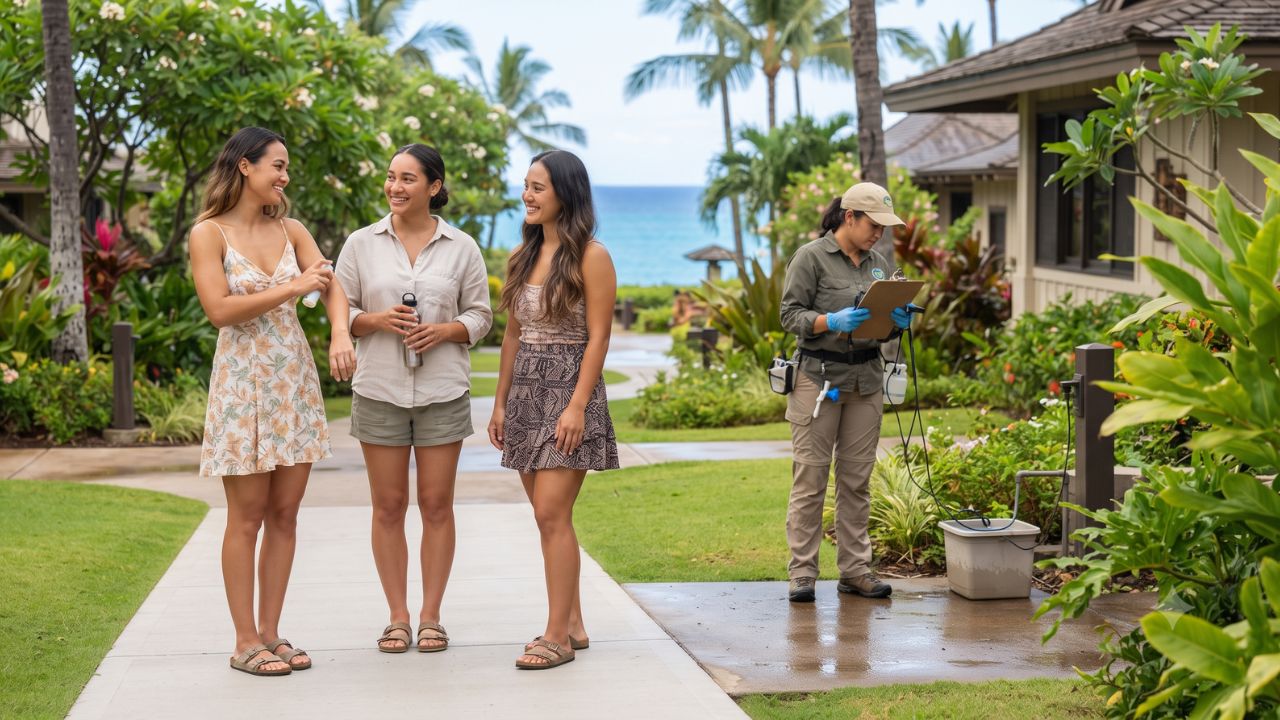
Following recent heavy tropical rains across Oahu, the Hawaii Department of Health (DOH) deployed Vector Control Branch personnel to conduct targeted mosquito reduction and community inspections around the patient's residence. While state epidemiologists assess the risk of secondary local transmission as low, the incident underscores the essential protocols international travelers must adopt when moving between tropical island ecosystems.
Distinguishing Imported Infections from Endemic Transmission
Dengue virus is transmitted through the bite of an infected Aedes mosquito that has previously fed on a viremic person. Because the virus does not naturally establish year-round reservoirs in Hawaii, rapid public health containment prevents imported cases from creating localized transmission chains.
According to the Hawaii Tourism Authority, leisure and commercial travel across the Hawaiian archipelago remains fully operational without restrictions. However, health teams emphasize that international travelers returning from global regions experiencing elevated outbreaks must monitor their health to protect island communities.
Global Dengue Exposure Map and Elevated Risk Regions
Dengue transmission occurs year-round across tropical and subtropical latitudes in the Americas, Asia, the Pacific, the Middle East, and Africa:
- Pacific Island Nations & Territories: Active transmission documented across American Samoa, the Federated States of Micronesia, the Republic of the Marshall Islands, and the Republic of Palau, alongside surge alerts in Vanuatu.
- Latin America and the Caribbean: Elevated case counts reported across Brazil, Mexico, Puerto Rico, Costa Rica, Cuba, Panama, Bolivia, and Ecuador.
- Southeast Asia and Indian Ocean: Higher seasonal infections identified in the Philippines, Vietnam, Cambodia, Malaysia, Sri Lanka, Bangladesh, and the Maldives.
- East Africa: Ongoing transmission documented in coastal and inland Kenya.
Dengue Prevention, Clinical Symptoms, and Reporting Directory
| Clinical / Policy Dimension | Official Protocol or Guideline | Traveler Action Item |
|---|---|---|
| 2026 Hawaii Case Count | 8 Confirmed Cases Statewide | 100% imported from overseas Pacific travel |
| Local Risk Assessment | Evaluated as Low | Vector control deployed for standing water removal |
| Primary Symptoms | Sudden fever, body/joint aches, nausea, rash | Manifests 2 to 7 days; recovery typically within 1 week |
| Medical Window | Symptoms within 14 days of travel | Seek immediate clinical evaluation; notify doctor of itinerary |
| DOH Reporting Hotline | Disease Reporting Line: 808-586-4586 | Available for medical providers and reporting |
| Post-Travel Bite Prevention | 3-Week Vigilance Period | Wear repellent for 3 weeks post-trip to halt local mosquito bites |
| Mosquito Habitat Eradication | Weekly water clearing | Empty plant saucers, rain barrels & water-holding bromeliads |
Visitor Insider Tips
Whether vacationing across Oahu or returning from international travel, observing standardized vector safety ensures hassle-free journeys:
- Use EPA-Registered Insect Repellents: Guidelines from the US Centers for Disease Control and Prevention (CDC) recommend repellents containing DEET (20% to 30%), Picaridin, Oil of Lemon Eucalyptus (OLE), or IR3535. Apply sunscreen first, let it dry for ten minutes, and apply repellent over top.
- Choose Screened or Air-Conditioned Accommodations: When booking eco-lodges or vacation rentals on Oahu's North Shore or Windward Coast, ensure windows have intact mesh screens, or opt for air-conditioned rooms that deter mosquito entry.
- The Three-Week Rule for Returning Travelers: If you return to Hawaii from Southeast Asia, Latin America, or South Pacific islands, apply insect repellent daily for three full weeks after arrival. This prevents local mosquitoes from biting an asymptomatic carrier and sparking secondary community clusters.
- Eliminate Standing Water in Rental Properties: If staying in long-term residential rentals, empty standing water from potted plant trays, outdoor cups, tires, and decorative bromeliad plants where Aedes mosquitoes lay eggs in volumes as small as a bottle cap.
Cultural and Environmental Context
Island ecosystems require proactive biological surveillance. Hawaii’s isolated geography and subtropical microclimates make vector management a collective community responsibility (kuleana).
By integrating public health rapid response with community awareness, the state preserves both resident well-being and the integrity of its visitor economy. Supporting Vector Control teams and maintaining clean residential drainage ensures that Hawaii remains a secure sanctuary for global cultural exchange.
FAQ: Hawaii Travel and Dengue Health 2026
Is there an active dengue outbreak in Hawaii?
No. All eight dengue cases confirmed in Hawaii during 2026 were acquired abroad by travelers visiting Pacific Island territories, with zero confirmed local community outbreaks.
What are the main symptoms of dengue fever?
Symptoms include high fever, severe body and muscle aches, nausea, vomiting, joint pain, and a skin rash, typically lasting between two and seven days.
How do I contact the Hawaii Department of Health to report symptoms?
Travelers and healthcare providers can report suspected cases directly to the DOH Disease Reporting Line at 808-586-4586.
What precautions should I take when traveling to high-risk dengue areas?
Use EPA-registered insect repellent, wear loose-fitting long sleeves and pants, sleep in air-conditioned or screened rooms, and continue using repellent for three weeks after returning home.
Through rapid scientific surveillance and diligent community care, Hawaii ensures its shores remain protected for travelers and residents alike.
Related Travel Guides
Disclaimer
This article is for informational and educational purposes only. It does not constitute legal, financial, or professional advice. While we strive to provide accurate and up-to-date information, travel policies, regulations, and conditions change rapidly. Always verify information with official sources before making travel decisions. Nomad Lawyer makes no representations about the accuracy, reliability, completeness, or suitability of the information provided. Readers should consult qualified professionals for advice specific to their circumstances. The views expressed in this article are those of the author and do not necessarily reflect the views of Nomad Lawyer.
Raushan Kumar
Founder & Lead Developer
Full-stack developer with 11+ years of experience and a passionate traveller. Raushan built Nomad Lawyer from the ground up with a vision to create the best travel and law experience on the web.
Learn more about our team →