
The 11 Most Picture-Perfect Main Streets in Hawaii: Preserving Authentic Island Heritage
Escaping the sprawling resort mega-complexes of Waikiki, these 11 historic Hawaiian main streets offer the absolute pinnacle of preserved plantation architecture and local surf culture.

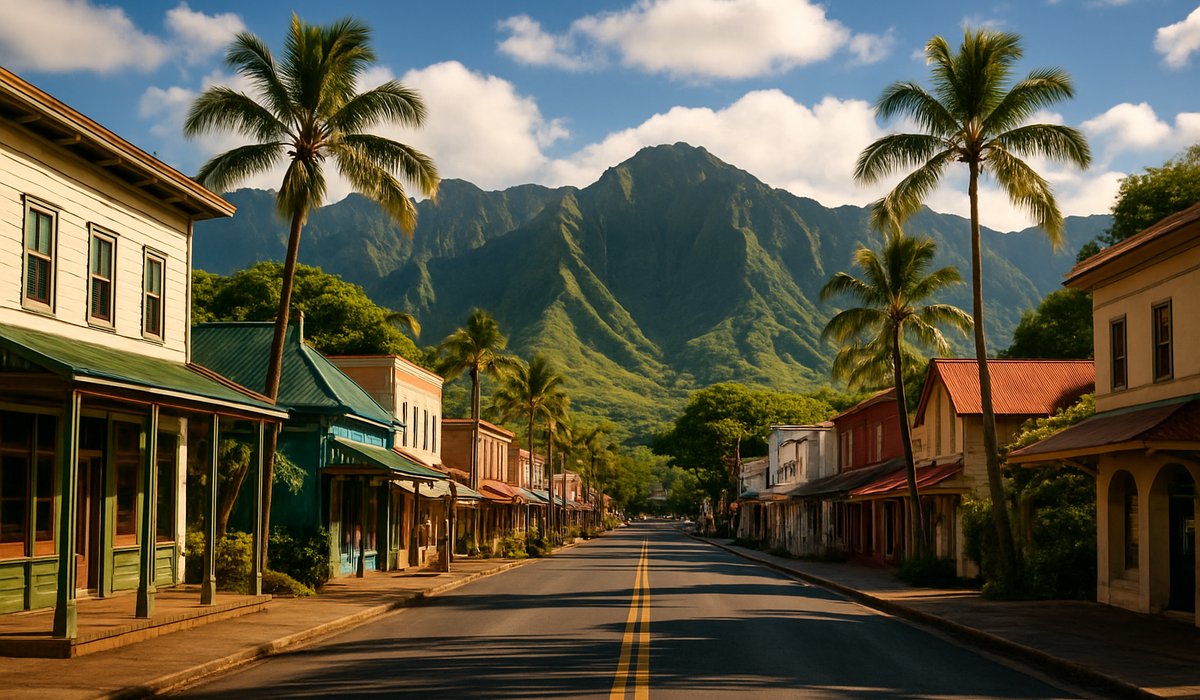
Image generated by AI
Beyond the Concrete of Waikiki
Fundamentally rejecting the massive, sterile concrete high-rises that dominate Honolulu, luxury travelers in 2026 are increasingly retreating to the fiercely protected, historic "Main Streets" scattered across the Hawaiian archipelago. These 11 specific municipalities—ranging from the sleepy surf meccas of the North Shore to the deeply lush valleys of Kauai—operate as the true cultural preserves of the islands. They are heavily defined by their meticulously restored plantation-era wooden architecture, absolute lack of corporate chain stores, and a deeply entrenched, localized "Aloha" economy that actively repels mass-market commercialization.
For the modern traveler, these main streets offer an incredibly elevated, highly authentic aesthetic. Rather than purchasing mass-produced souvenirs in a sanitized resort lobby, tourists walking through towns like Haleiwa or Paia are interacting directly with local artisans, consuming shaved ice from family-owned stalls that have operated for generations, and purchasing surfboards shaped by legends who live just up the valley. This is the micro-economy of paradise, where charm and hospitality are heavily enforced by community design.
Haleiwa: The Undisputed Surfing Capital
Positioned globally as the gateway to Oahu's terrifyingly powerful North Shore, Haleiwa mathematically possesses one of the most visually iconic, heavily photographed main streets on earth.
The aesthetic is fiercely dictated by strict municipal design mandates that force all new businesses to mimic the original 1900s plantation architectural style. The result is a flawless, cohesive stretch of wooden boardwalks, corrugated iron roofs, and vibrant, rusted signage. The main street is essentially split between world-class culinary trucks (famous for hyper-local garlic shrimp), aggressive surf shops supplying the professionals who tackle the Banzai Pipeline, and elite art galleries showcasing local marine photographers. The town forces you to physically slow down, matching the relaxed, methodical tempo of the ocean itself.
The Premier Hawaiian Historic Cohort
| Town / Main Street | Island Location | The Defining Cultural Aesthetic |
|---|---|---|
| Haleiwa | Oahu (North Shore) | Strict plantation-era architecture and the epicenter of global surf culture. |
| Hanalei | Kauai (North Shore) | Taro fields drastically meeting the ocean; a deeply quiet, lush bohemian sanctuary. |
| Paia | Maui (North Shore) | A highly colorful, windsurfing-dominated enclave serving as the launchpad for the Road to Hana. |
| Kapaa | Kauai (East Coast) | A massive, sprawling wooden downtown highly famous for its walkable coastal bike path. |
What Guests Get
- Architectural preservation — realizing that true Hawaiian towns do not feature towering glass hotels; they feature single-story, colorful wooden storefronts deeply integrated with the jungle.
- Culinary hyperlocalism — grasping that dining on these main streets frequently involves eating fish that was mathematically caught that exact morning by a boat docked two blocks away.
- Micro-economic protection — understanding that by purchasing coffee or art here, your thousands of vacation dollars are actively preventing corporate buyouts of historic family land.
What This Means for Travelers
If you are planning an itinerary to Hawaii in 2026: You must heavily prioritize independent rental vehicles and allocate entire days to simply "walking town." Do not book an all-inclusive resort and trap yourself behind its walls. The true luxury of Hawaii lies in driving to Hanalei or Paia early in the morning before the massive tour buses arrive. These streets are mathematically not designed to handle extreme foot traffic; arriving at 11:00 AM on a Saturday frequently results in an absolute inability to find parking, destroying the relaxed aesthetic you came to experience.
The Economics of "Local": Be deeply aware that "authentic" frequently commands a significant financial premium over "mass-produced." A hand-carved wooden bowl from a gallery in Haleiwa or a boutique lunch in Hanalei will routinely cost more than generic options in Waikiki. However, you are physically purchasing the quality, the heritage, and the direct survival of the artisan economy that makes the Hawaiian Islands unique.
FAQ: Exploring Historic Hawaii
Are there chain restaurants in these towns? Extremely rarely. Towns like Haleiwa have incredibly aggressive, legally binding community design ordinances that actively block massive global fast-food chains from altering the historic aesthetic of the main street.
Is it safe to walk these streets at night? Generally, yes. These are deeply residential, community-focused towns with incredibly low violent crime rates. However, because they are historic, street lighting is frequently minimal to preserve the night sky, so early evening strolls are preferable to late-night ones.
Do I need an SUV to reach Hanalei on Kauai? No. The primary coastal highway connecting to Hanalei is fully paved. However, during periods of extreme winter rain, the single-lane bridge entering the valley frequently floods, physically isolating the town for hours at a time.
Related Travel Guides
Disclaimer
This article is for informational and educational purposes only. It does not constitute legal, financial, or professional advice. While we strive to provide accurate and up-to-date information, travel policies, regulations, and conditions change rapidly. Always verify information with official sources before making travel decisions. Nomad Lawyer makes no representations about the accuracy, reliability, completeness, or suitability of the information provided. Readers should consult qualified professionals for advice specific to their circumstances. The views expressed in this article are those of the author and do not necessarily reflect the views of Nomad Lawyer.
Raushan Kumar
Founder & Lead Developer
Full-stack developer with 11+ years of experience and a passionate traveller. Raushan built Nomad Lawyer from the ground up with a vision to create the best travel and law experience on the web.
Learn more about our team →