
Travel Hawaii Flooding Alert: March 2026 Storm Disrupts Island Access
A historic Kona Low system brought record flooding and evacuations across Hawaii's islands in March 2026, disrupting travel to Oahu, Maui, and Molokai. Travelers face significant delays and route changes.

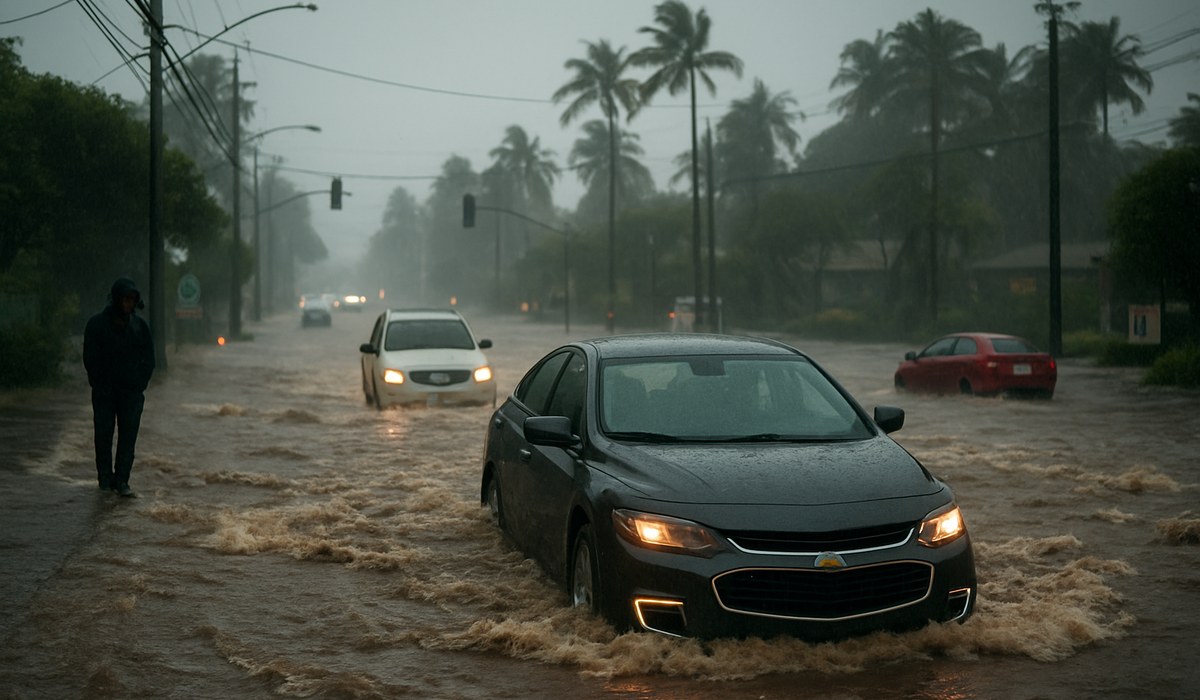
Image generated by AI
Unprecedented Kona Low Unleashes Severe Flooding Across Hawaii
Hawaii's major islands face unprecedented travel disruptions following an exceptional Kona Low system that arrived in late March 2026. The historic storm delivered record rainfall and triggered emergency evacuations across Oahu, Maui, and Molokai, forcing airlines and tourism operators to suspend or redirect services. Thousands of travelers found themselves stranded or forced to reschedule plans as authorities declared states of emergency and issued mandatory evacuation orders for vulnerable coastal and lowland communities.
The atmospheric conditions created by this system brought together warm ocean temperatures and moisture-laden trade winds, producing rainfall totals not seen in decades. Roads flooded with remarkable speed. Infrastructure in popular tourist zones sustained damage. The alert status continues to impact hotel operations, tour bookings, and inter-island ferry schedules throughout the archipelago.
Immediate Travel Disruptions: What Tourists Face Now
Current travel conditions across Hawaii remain severely compromised as of late March 2026. Major airports including Daniel K. Inouye International Airport (HNL) on Oahu and Kahului Airport (OGG) on Maui have implemented reduced flight schedules. Multiple airlines, including Hawaiian Airlines and Southwest, announced flight cancellations affecting hundreds of passengers daily.
Inter-island ferry services operated by Molokai Ferry have suspended operations indefinitely. Ground transportation networks experienced significant damage, with major highways on Maui and the Big Island becoming impassable. Car rental agencies report inventory shortages as travelers attempt to secure alternate transportation. The official Hawaii tourism board recommends contacting your airline or hotel directly before attempting travel to the islands.
Hotel occupancy rates dropped sharply as guests either evacuated or postponed arrivals. Resorts in flood-prone areas along the Kona coast and Maui's western shores activated emergency protocols. Many establishments offered room relocations or cancellation waivers to affected guests.
Evacuation Orders: Which Areas Remain Off-Limits
Emergency management officials issued mandatory evacuation orders for multiple zones across the islands, particularly affecting lower-elevation coastal communities and areas with documented flooding history. Kona's downtown waterfront district experienced severe inundation, forcing the closure of shops, restaurants, and beachfront attractions that typically draw significant tourist traffic.
Oahu's Pearl City and Kaneohe areas activated evacuation alerts for residents and visitors in flood-prone neighborhoods. Maui's Lahaina district and central valley communities received similar warnings. Molokai's eastern shore neighborhoods were evacuated as a precaution given the island's limited infrastructure for emergency response.
Recovery timelines remain uncertain. Local authorities indicated that road assessments would take several days to complete. The Maui County Emergency Management Agency continues monitoring conditions hourly. Travelers should consult TripAdvisor's travel alerts section for real-time updates on specific accommodations and attractions.
Impact on Tourism Infrastructure and Services
The tourism industry experienced immediate, widespread disruption as businesses assessed structural integrity and operational capacity. Water treatment facilities in multiple locations reported temporary service interruptions, affecting hotel operations and restaurant services. Power outages persisted in several communities, forcing some hospitality businesses to operate on generator power with reduced guest capacity.
Tour operators suspended activities including snorkeling expeditions, hiking tours, and helicopter sightseeing flights. Golf courses on Maui and the Big Island closed for debris clearing and course assessment. The Honolulu Convention Center postponed scheduled events and conferences throughout the month.
Insurance claims surged as property damage assessments began. Business interruption policies were activated across the tourism sector. Recovery efforts focused initially on restoring water, power, and road access to facilitate both emergency response and eventual tourism resumption. Industry representatives indicated that full recovery would require several weeks minimum.
Best Time to Visit Hawaii After the 2026 Kona Low
Travelers planning Hawaii vacations should consider postponing trips originally scheduled for late March and early April 2026. The conventional Hawaii visitor season continues through March, but current conditions make this an unsuitable travel window.
Late April through May traditionally offers excellent weather and manageable tourist crowds. This timeframe allows sufficient recovery time for infrastructure repairs and tourism operations restoration. June through September brings the dry season to most islands, making it ideal for outdoor activities and beach access.
Fall months (September through November) see reduced rainfall and provide optimal conditions for water sports and cultural activities. Winter months beginning in December bring increased moisture but still offer viable travel windows for most destinations. Always monitor local weather forecasts and road condition reports before scheduling inter-island ferry travel or extensive driving.
Booking flexibility becomes essential when traveling to Hawaii. Purchase travel insurance with hurricane and weather-related cancellation coverage. Confirm all reservations within 48 hours of your departure date, as schedules remain subject to rapid change during recovery operations.
How to Get There: Airport Access and Routing Options
Daniel K. Inouye International Airport (HNL) serves as the primary gateway to Hawaii for most visitors. Direct flights from the mainland United States connect through major carriers including United, Southwest, and Hawaiian Airlines. Current flight schedules show reduced frequency and increased delays as airlines coordinate with ground crews managing emergency repairs.
Inter-island transportation requires careful planning during this period. Hawaiian Airlines and Southwest operate inter-island routes, but schedules fluctuate daily based on aircraft availability and airport operational capacity. Book flights well in advance and maintain contact with your airline for schedule changes.
Alternative routing through secondary airports like Lihue Airport (LIH) on Kauai may provide additional options if primary routes show excessive delays. Kauai experienced less severe impacts from the Kona Low system. However, reaching Kauai still requires navigating disrupted inter-island services.
Ground transportation once you arrive depends heavily on island-specific road conditions. Rental car availability remains limited. Using ride-sharing services or hotel shuttle services ensures more reliable transportation than personal vehicle rentals in current conditions. Inter-island ferries remain suspended indefinitely, eliminating water-based travel options between islands.
Emergency Preparedness Information for Travelers
Hawaii's alert status requires travelers to maintain constant communication with their accommodation providers and tour operators. Register with your embassy if traveling from outside the United States. Leave detailed itineraries with family or friends before departure.
Pack emergency supplies including bottled water, non-perishable food items, and first-aid supplies. Bring copies of important documents in waterproof containers. Download offline maps of your destination islands before arrival, as cellular networks may experience interruptions.
Travel insurance becomes non-negotiable during this period. Policies must cover weather-related evacuation, medical evacuation, and trip interruption. Verify that your policy covers storm-related incidents specifically. Review coverage limits and exclusions carefully.
Monitor official sources daily for updates. The Hawaii Emergency Management Agency website provides authoritative information on current conditions. The National Weather Service Hawaii maintains detailed forecasts and flood watches. Contact your airline 24 hours before each flight to confirm departure status.
| Recovery Metric | Current Status | Expected Timeline | Impact on Visitors |
|---|---|---|---|
| Airport Operations | Reduced Schedule | Mid-April Normalization | Flight Delays, Limited Availability |
| Inter-Island Ferries | Suspended | Late April Restart | No Water Transportation |
| Major Roads | Partial Closure | 7-10 Days Assessment | Ground Travel Delays |
| Utility Services | Intermittent | 3-5 Days Full Restoration | Power/Water Interruptions |
| Hotel Operations | Reduced Capacity | Early April Recovery | Limited Room Availability |
| Attraction Operations | Mostly Closed | Mid-April Reopening | Limited Activities |
What This Means for Travelers Planning Hawaii Trips
Immediate action items require your attention before making travel decisions. First, contact your airline immediately if you have flights scheduled for late March or April. Verify current operational status and discuss rebooking options without penalties. Most carriers implemented flexible change policies during this emergency period.
Second, reach out directly to your hotel or resort. Confirm whether your property sustained damage and when normal operations resume. Request updates on amenity availability and operational timelines. Properties offering cancellation waivers maintain this option through specific dates—act quickly to secure alternatives if needed.
Third, purchase comprehensive travel insurance if you haven't already. Policies purchased after booking typically include weather-related coverage. Read terms carefully to ensure flooding and evacuation coverage appears explicitly.
Fourth, develop alternate plans. Identify backup destinations within the United States that serve similar tropical vacation purposes. Puerto Rico, the US Virgin Islands, and Florida Keys offer comparable experiences with current operational stability.
Fifth, maintain flexibility with booking dates and accommodations. Book refundable rooms and flexible airline tickets. Avoid non-refundable packages until recovery progresses significantly. Contact travel agents for expertise navigating complex rebooking scenarios.
Frequently Asked Questions About Travel Hawaii Flooding in 2026
Will travel hawaii flooding impact my planned April trip? Current conditions show significant disruption through early April, with substantial improvements expected by mid-April. Flights remain operational but delayed. Contact your airline immediately to assess your specific routing and consider rebooking to late April or May for smoother travel experiences.
How long does travel hawaii flooding recovery typically take? Hawaii's infrastructure recovers remarkably quickly due to experienced emergency management teams. However, tourism operations need 2-3 weeks minimum for full restoration. Expect reduced services and limited attractions through mid-April, with normalization beginning late April.
Which islands are safest to visit during this travel alert period? Kauai experienced minimal impacts from the Kona Low system and maintains more stable operations. However, reaching Kauai requires navigating disrupted inter-island services. Big Island regions far from flood zones also remain accessible. Avoid Oahu, Maui, and Molokai until late April.
Can I still book Hawaii travel with travel insurance covering this weather alert? Yes, most travel insurance policies issued after the alert date include weather-related coverage. Verify explicitly that your policy covers flooding, evacuation, and storm-related trip interruption. Read exclusions carefully before purchasing.
Related Travel Guides
Complete Hawaii Travel Guide 2026: Islands, Activities, and Planning Kauai Travel Safety: Lesser-Known Island Alternatives Rebuilding Hawaii: Post-Emergency Tourism Infrastructure Recovery
Disclaimer
This article is for informational and educational purposes only. It does not constitute legal, financial, or professional advice. While we strive to provide accurate and up-to-date information, travel policies, regulations, and conditions change rapidly. Always verify information with official sources before making travel decisions. Nomad Lawyer makes no representations about the accuracy, reliability, completeness, or suitability of the information provided. Readers should consult qualified professionals for advice specific to their circumstances. The views expressed in this article are those of the author and do not necessarily reflect the views of Nomad Lawyer.
Preeti Gunjan
Contributor & Community Manager
A passionate traveller and community builder. Preeti helps grow the Nomad Lawyer community, fostering engagement and bringing the reader experience to life.
Learn more about our team →